 |
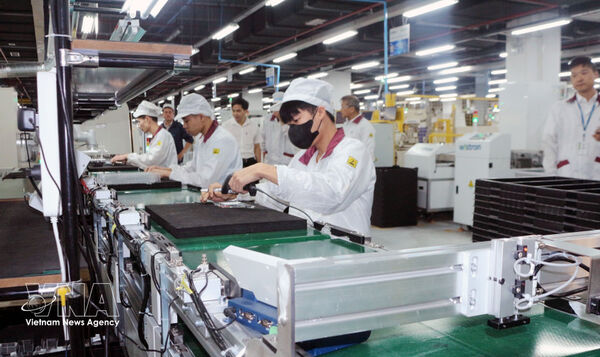
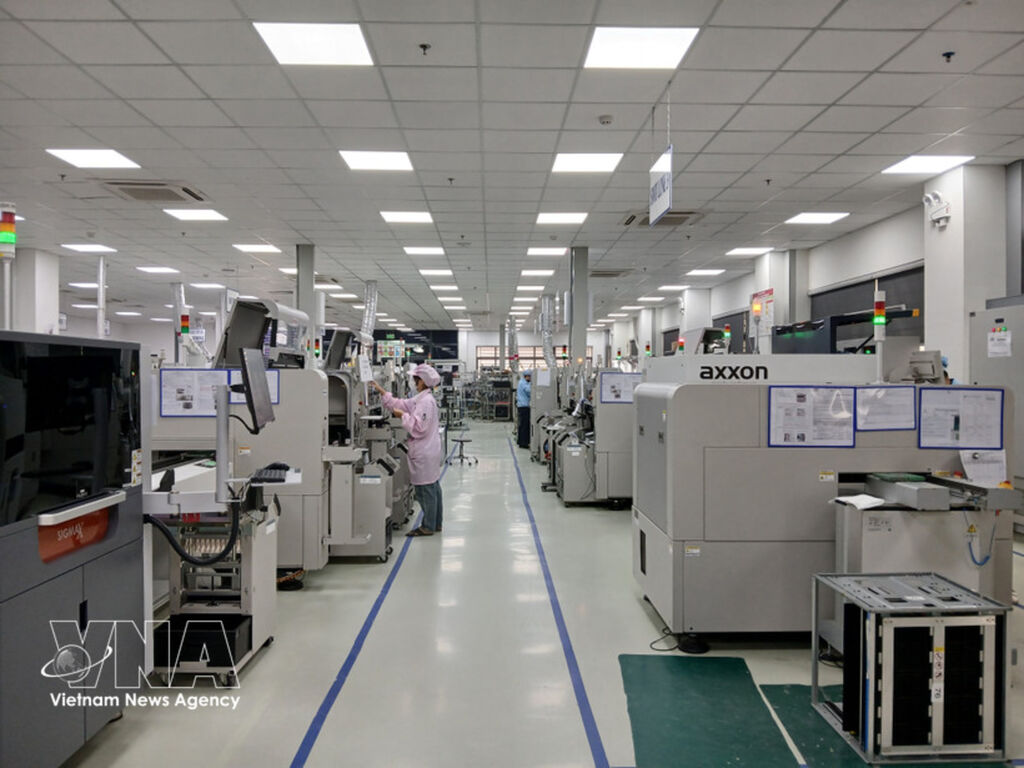
| A SMT (Surface Mount Technology) production line for electronic devices at Trung Nam EMS Factory, Da Nang High-Tech Park. (Photo: VNA) |
Hanoi (VNA) – Organisations and individuals undertaking high-tech tasks will receive a wide range of incentives under Decree No. 260/2026/ND-CP, recently issued by the Government, which details and guides the implementation of several articles of the Law on High Technology, including policies to promote high-tech research and development (R&D).
The decree, which took effect on July 1, gives priority to investment in high-tech R&D, including research into innovative and core technologies; efforts to decode, master and improve high technologies; and the application, testing and refinement of advanced technologies.
Organisations and individuals undertaking high-tech tasks will receive priority consideration for orders and financial support through science, technology and innovation programmes and projects. Funding sources include the National Foundation for Science and Technology Development (NAFOSTED), the National Technology Innovation Fund, and science, technology and innovation funds managed by ministries, sectors and localities.
For State-commissioned or State-funded high-tech projects, support may cover up to 100% of total costs.
New technologies, products and business models will also be prioritised for controlled pilot implementation and given preferential access to State-invested national research centres, testing facilities and key laboratories.
Regarding taxation, the decree grants import tax exemptions for machinery, equipment, spare parts, specialised materials, scientific documents and publications used directly for high-tech R&D. Corporate expenditure on high-tech research and development will be treated in accordance with the laws on corporate income tax and on science, technology and innovation.
Individuals directly engaged in high-tech R&D will be exempt from personal income tax on wages and remuneration earned from high-tech assignments, as well as income derived from copyrights when research results are commercialised.
The State will also provide support covering up to 100% of training and capacity-building costs for personnel participating in high-tech R&D through high-tech projects or capability-enhancement programmes funded by NAFOSTED or ministerial and local funds, in accordance with relevant regulations.
To promote the commercialisation of research outcomes, organisations and individuals may receive support covering up to 100% of consultancy costs for preparing applications for domestic and international intellectual property protection. Products, goods and services developed through high-tech projects will be entitled to incentives under the Law on Bidding and Decree No. 214/2025/ND-CP.
Enterprises investing in technological infrastructure for urgent high-tech projects serving socio-economic development, national defence and security will be eligible for State support. Infrastructure investment costs may be deducted when determining taxable corporate income.
Notably, enterprises engaged in scientific research, technology development and innovation in the high-tech sector will be eligible for interest-rate support on loans through the National Technology Innovation Fund or ministerial and local funds. The support will cover 70% of the contractual lending rate, capped at 8% per year, for a maximum period of five years./.