 |
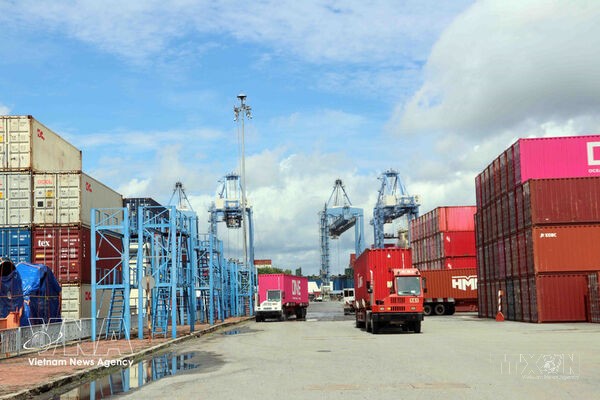
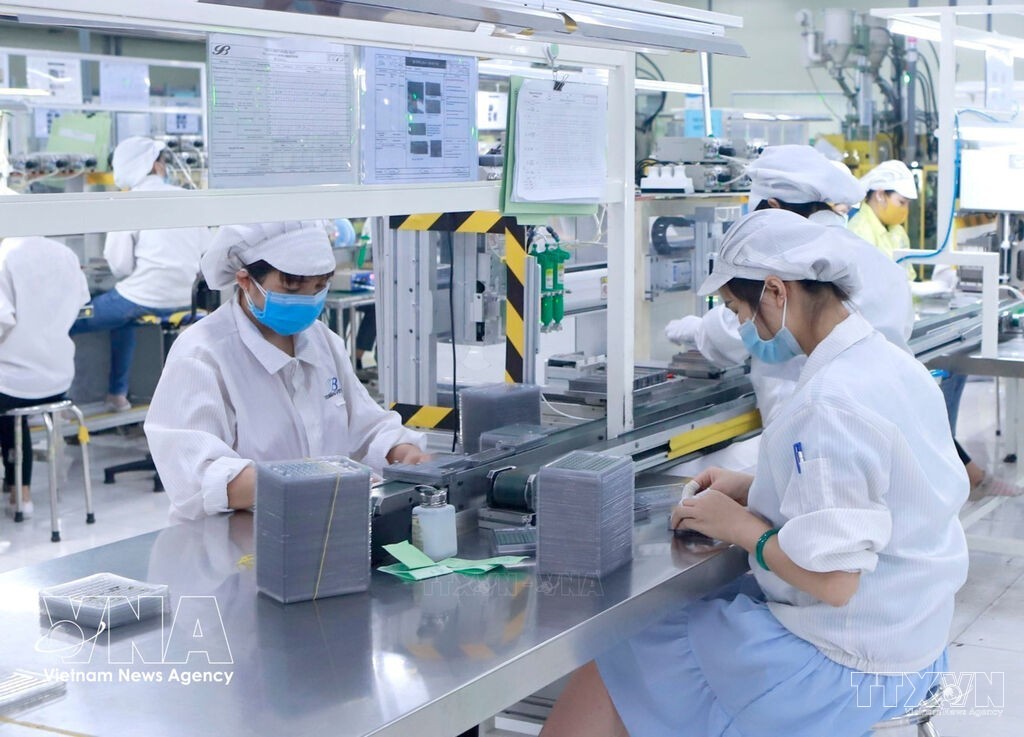
| Producing electronic components at Star Engineers Vietnam Co., Ltd. in Binh Xuyen I Industrial Park, Phu Tho province (Photo: VNA) |
Hanoi (VNA) – Vietnam’s 9.01% GDP growth in the first nine months of 2026 has provided a strong rebuttal to doubts over the country’s ability to achieve double-digit growth, highlighting the economy’s resilience and considerable growth potential.
The impressive performance did not come from luck or a wishful mindset, but from the Government’s decisive efforts to reform institutions, remove bottlenecks, and unlock resources for growth.
GDP expanded 9.95% in the third quarter, lifting the nine-month average to 9.01%, an impressive result amid complex developments in the global economy. What stands out is not only the absolute figure but also the sustained high growth momentum across quarters: GDP grew 8.15% in the first quarter, 8.81% in the second and 9.95% in the third, approaching double-digit growth. This upward spiral reflects strong internal drivers and a broad-based recovery rather than a temporary surge.
The result should be viewed against the broader goal set by the Party Central Committee at the beginning of the 14th tenure. Conclusion No. 18-KL/TW of the second plenum of the 14th Party Central Committee set a target of double-digit economic growth for 2026-2030, describing it as a “key political task” to be translated into specific tasks, results and deliverables for each sector, agency and locality, with accountability assigned to leaders.
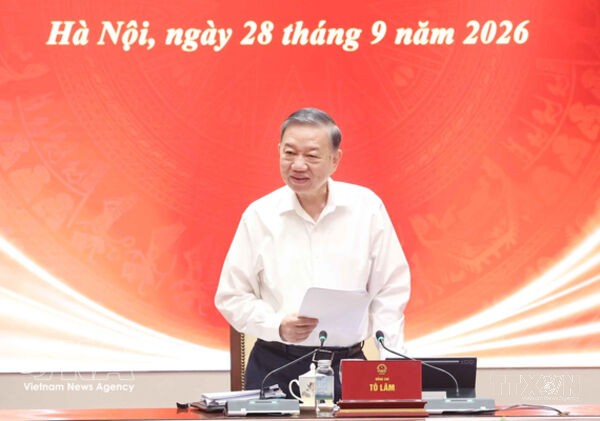
This target has also prompted a shift in the mindset of economic management. At a meeting on May 20 with the Party Central Committee's Commission for Policy and Strategy on assessing national development resources and establishing a new growth model, General Secretary of the Communist Party of Vietnam Central Committee and President To Lam stressed that “double-digit growth cannot result from merely extending the old growth model.” The requirement is not simply to mobilise more resources, but to change how resources are organised, allocated and used while promoting science and technology, innovation, digital transformation and productivity.
Turning the strategic target into concrete action, the Government issued Resolution No. 109/NQ-CP on April 16, 2026, on an action programme to implement the Resolution of the 14th National Party Congress and the Party Central Committee’s conclusions. It subsequently issued Resolution No. 169/NQ-CP on June 27, assigning specific growth targets to localities. This approach has translated the national growth ambition into more concrete tasks and targets at each level and in each locality.
More importantly, the key factor lies in breakthrough institutional reforms, including revising and introducing specific policies to comprehensively remove “bottlenecks” in institutions and administrative procedures and unlock development resources. On April 29, 2026, the Government issued eight resolutions on cutting and decentralising administrative procedures, as well as simplifying administrative procedures and business conditions.
The resolutions target a reduction of more than 50% in compliance time and costs for businesses and people, while promoting stronger decentralisation to authorities at all levels. They also call for streamlining procedures for specialised inspections, construction licensing, fire prevention and control, environmental requirements and investment procedures in industrial parks.
To tackle bottlenecks in public investment disbursement and connectivity infrastructure, a major growth driver, the Government has directed agencies to shorten procedures for investment preparation, site clearance and planning, while flexibly reallocating capital from delayed projects to those capable of absorbing funds effectively. As a result, public investment disbursement reached about 643 trillion VND (24.75 billion USD) in the first nine months, up 12.9% year-on-year.
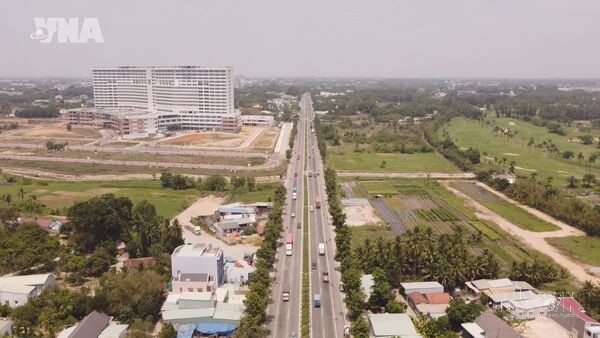
The Government has also taken measures to address difficulties related to construction materials and site clearance for strategic infrastructure projects, including the North-South high-speed railway, interregional expressways, seaports, airports, logistics infrastructure, digital infrastructure, data centres and artificial intelligence (AI) facilities.
The effectiveness of macroeconomic management lies not in any single decision but in coordinating multiple policies. The Government has simultaneously promoted public investment and supported production and business activities, while pursuing fiscal and monetary policies supportive of growth and maintaining stability and major economic balances.
The above-mentioned policies, decisions and resolutions demonstrate that the Government has moved beyond political determination to actively use institutional and policy tools to remove bottlenecks, unlock capital and resources across sectors, and create momentum towards the double-digit growth target.
At the local level, pressure to deliver results is also mounting. In the first nine months, 12 of the 34 localities recorded double-digit growth, with Quang Ninh, Bac Ninh and Da Nang among the fastest-growing economies. Hanoi’s economy expanded 8.85% during the period, but posted 10.02% growth in the third quarter, indicating greater potential to generate momentum in the final months of the year.
The varying performance among localities shows that no single formula can be applied universally. Each locality needs to identify its own advantages, bottlenecks, and development potential.
At this implementation level, governance quality will largely determine the outcome of the final stretch. During a working session with Hanoi on July 8, General Secretary and President Lam asked the capital to revise its growth scenarios for each sector and major project, stressing that it should pursue high growth but “not chase growth at all costs.” This underscores the need to combine growth with quality, efficiency and sustainability.
Despite the positive results, pressure in the final three months remains high amid unpredictable global economic developments.
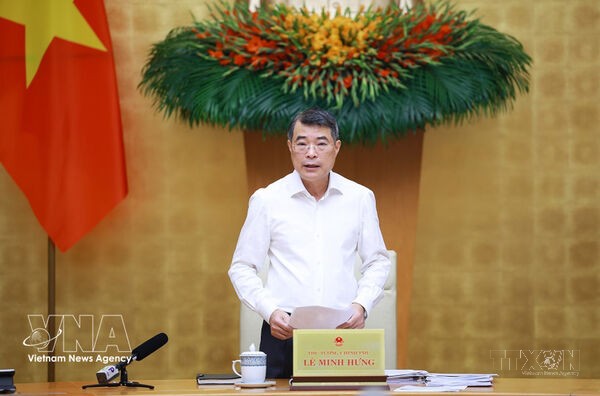
At the Government’s regular meeting on October 3, Prime Minister Le Minh Hung described the final quarter as a “sprint” period facing significant pressure and challenges. He asked ministries, sectors and localities to clearly define their determination, roadmaps and tasks for achieving fourth-quarter and full-year targets.
From now until year-end, each ministry, sector and locality must identify key tasks to be completed each month, together with specific deliverables and clear responsibility for leading and organising implementation, the PM said.
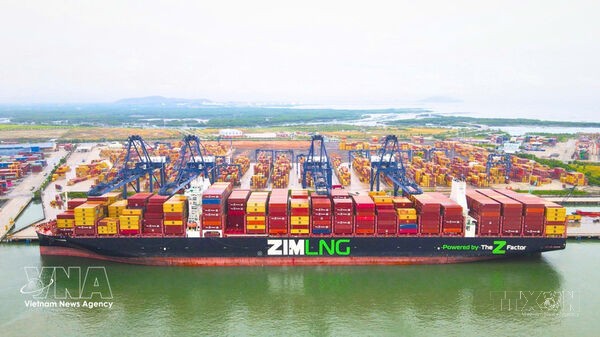
Therefore, the focus in the fourth quarter should be not only on accelerating growth, but on doing so in the right areas. Although the gap between the 9.01% nine-month growth rate and the full-year double-digit target remains significant, the economy is gaining momentum from a strong industrial recovery, higher social investment, rising FDI, expanding trade, a tourism rebound and faster public investment.
The key challenge is to remove bottlenecks that are holding back resources and quickly turn the economy’s existing growth potential into tangible results.
The 9.01% growth recorded in the first nine months is not an endpoint, but a springboard. It demonstrates that arguments dismissing or doubting Vietnam’s ability to achieve double-digit growth are unrealistic and lack a sound scientific basis.
Although the final quarter will remain challenging, the results achieved so far, coupled with stronger growth momentum, provide a solid foundation, confidence, and resources to remove bottlenecks and steer the economy towards the double-digit growth target. The goal is not merely to achieve higher growth, but also to demonstrate Vietnam’s strong transition towards a new growth model that is higher-quality, more efficient and more sustainable./.