 |
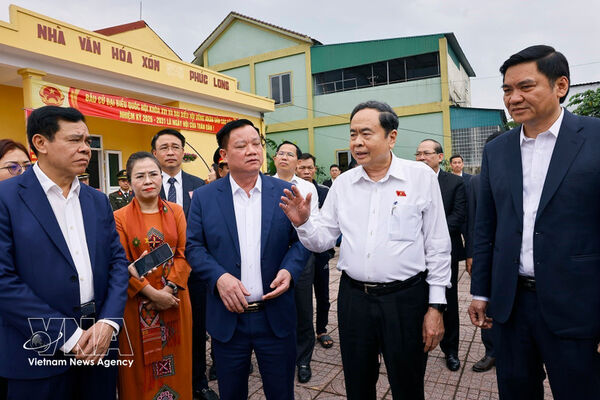
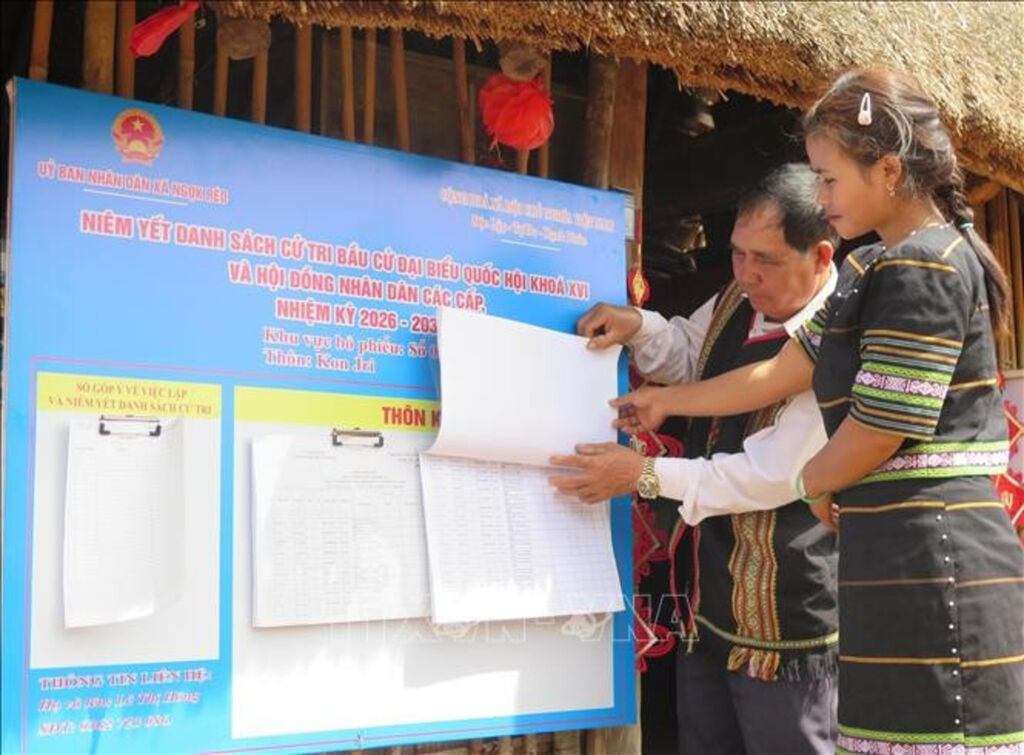
| Lists of voters and candidates is publicised in the communal houses of villages in Quang Ngai province. (Photo: VNA) |
Hanoi (VNA) – Amid the rapid rise of social media, where rumours have become an inevitable “flip side of the coin,” political awareness and civic responsibility serve as a firm shield to help individuals protect themselves while safeguarding national stability and social order.
Personnel affairs are regarded as a matter of special importance, which has been defined as "the key of all keys,” at both local and national levels, naturally drawing strong public attention. However, legitimate public interest must be clearly distinguished from curiosity and unfounded speculation. Even two seemingly similar concepts often confused with each other – public opinion and rumours – require careful differentiation to avoid negative social consequences.
According to a research by Dr. Phan Tan of the Vietnam Academy of Social Sciences, information that is verified, factual and widely discussed may form public opinion, whereas unverified information that is circulated with added or altered details remains merely a rumour.
Civic responsibility is reflected in how individuals receive and process information on social media, particularly their ability to distinguish between genuine public opinion and groundless rumours.
Public opinion, Dr. Tan explained, represents a complex interaction of viewpoints formed through discussion, reflecting the awareness, emotions and aspirations of social groups. It may involve evaluations, recommendations or proposed solutions, often encompassing diverse or even opposing perspectives centred on issues affecting shared public interests and social values.
Rumours, by contrast, consist of unverified information spread informally, initially through word of mouth and increasingly via social media, often shaped by speculation, subjective interpretation and exaggeration.
Those spreading rumours may intentionally add or omit details to make even vague stories appear credible. When amplified by multiple social media platforms, rumours can exert significant negative impacts on social security and public order. In practice, negative rumours tend to spread more easily than positive ones, and individuals with higher public profiles or positions are often primary targets. Most rumours are more destructive than constructive in nature, while their anonymity means no one assumes responsibility for the information circulated.
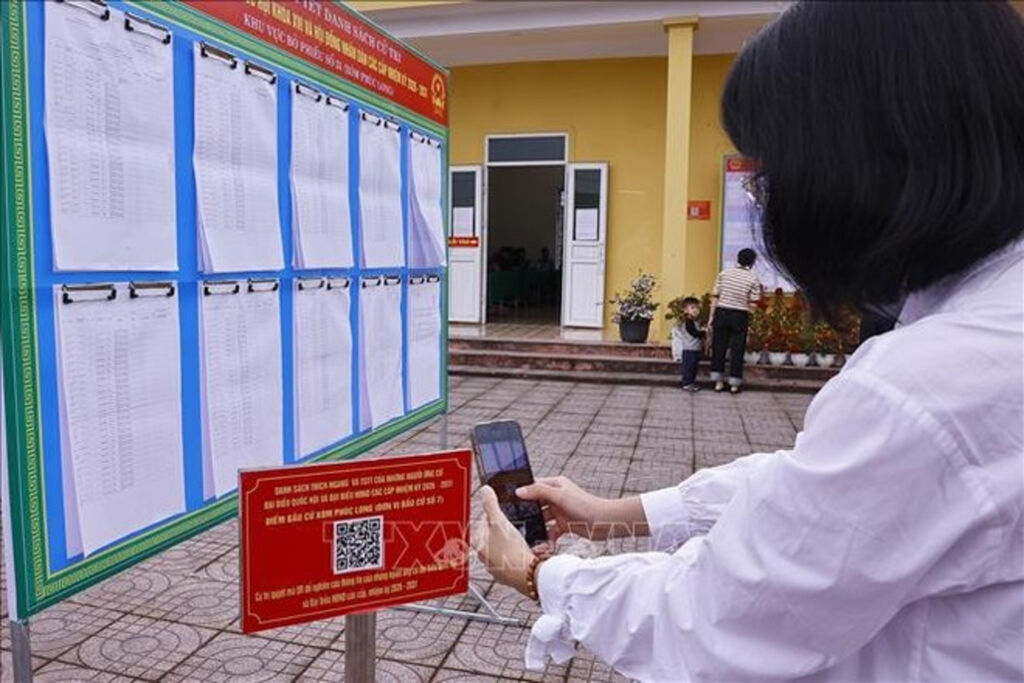 |
| Hung Nguyen commune, Nghe An province, applies digital technology to election organisation activities. (Photo: VNA) |
The relationship between public opinion and rumours is both interactive and mutually exclusive. Rumours may lead to public opinion depending on whether the referenced events or issues are factual and actually occur. If the discussed event does not take place, the information remains a rumour; if it proves true, it may develop into public opinion.
A key distinction also lies in purpose. Rumours are often generated to serve individual or group interests and are shaped by the subjective bias of those spreading them, whereas public opinion is oriented toward the common interests of the community. Another clear difference is that limited public awareness may allow false rumours to flourish, while higher levels of public understanding foster constructive public opinion through the exchange of diverse perspectives.
With the advancement of modern information technology, authorities can only limit – not completely block – fabricated information. Therefore, official information must remain proactive, timely and highly persuasive.
From a civic responsibility standpoint, individuals should remain calm when encountering sensational information, actively verify sources and consult official communication channels rather than follow rumours uncritically.
Public interest in the Party and State’s personnel work does not equate to direct involvement in staffing arrangements within organisations or localities. In Vietnam, personnel affairs are led by the Communist Party of Vietnam, with direct responsibility borne by Party committees, Party organisations, collective leadership bodies and heads of agencies. The process is implemented strictly through five steps: review and assessment; consultation with relevant leadership bodies; appraisal; implementation of appointment or nomination procedures; and final decision-making.
Citizens aged 18 and above exercise their rights and obligations in personnel affairs primarily through participation in elections of deputies to the National Assembly and People’s Councils at all levels on March 15. This serves as an opportunity for voters to exercise their mastery by directly selecting representatives worthy of conveying their aspirations within state power bodies.
Under the 2015 Law on Election of Deputies to the National Assembly and People’s Councils, participation in elections is a fundamental political right as well as a sacred duty and responsibility of every citizen, enabling the people to choose representatives of their will and aspirations and to contribute directly to building a socialist rule-of-law State “of the people, by the people and for the people.”
Therefore, paying attention to personnel work should not mean contributing to the spread of rumours. A more practical and meaningful approach is for citizens to study electoral regulations and candidate profiles carefully, thereby making informed choices in selecting representatives to the nation’s highest State bodies./.