 |
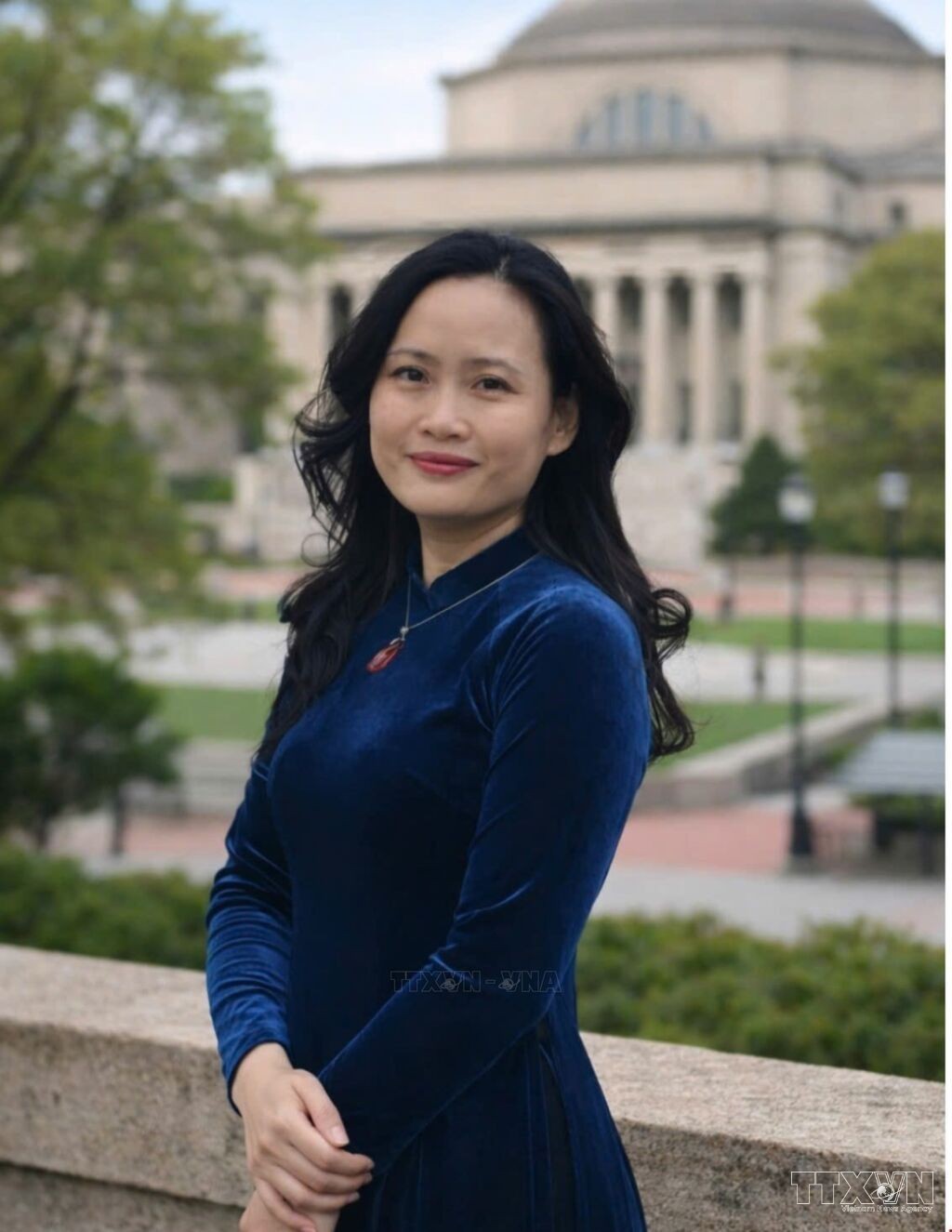
| Nguyen Phuong Chung, lecturer and Director of the Vietnamese Language Programme at Columbia University’s Department of East Asian Languages and Cultures in the US (Photo published by VNA) |
New York (VNA) - The Politburo's Resolution No. 23-NQ/TW on overseas Vietnamese affairs comes as Vietnam enters a new phase of development, in which mobilising international science, technology, and knowledge networks has become increasingly important.
According to Nguyen Phuong Chung, lecturer and Director of the Vietnamese Language Programme at Columbia University’s Department of East Asian Languages and Cultures in the US, Resolution 23 represents an important shift in how the position, role, and contributions of overseas Vietnamese are viewed.
Chung said the resolution reaffirmed that overseas Vietnamese are an integral part of the Vietnamese nation. More importantly, it identifies the diaspora as a key strategic resource and a bridge between Vietnam and the world, enabling them to directly contribute to national development.
This marks a significant change in approach. Overseas Vietnamese should not merely be seen as people maintaining ties with their homeland, but as active contributors capable of bringing knowledge, experience, technology, international partnerships and other resources to Vietnam’s development in the new era.
After eight years working on Vietnam-related activities at Columbia University, Chung said the orientation set out in Resolution 23 closely reflects the realities of academic and international cooperation undertaken by overseas educational and research institutions.
Through its Global Vietnam Studies programme, Columbia University has organised numerous conferences and seminars on Vietnam, creating platforms for Vietnamese and international scholars to examine the country from different perspectives. The programme has also connected US scholars, experts, businesspeople and students with counterparts in Vietnam, while working with Vietnamese universities and partners on academic exchanges and new areas of cooperation.
Such activities show that the strength of the overseas Vietnamese community lies not only in individual contributions, but also in its ability to build networks and bring Vietnam closer to international universities, research centres, businesses and communities.
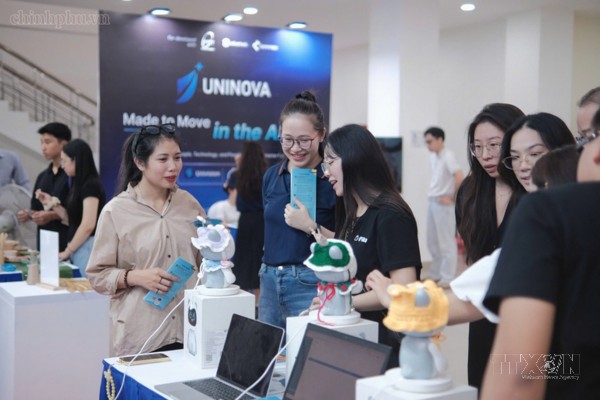
Chung said she welcomed the resolution’s emphasis on improving mechanisms and policies to connect, attract, and leverage the intellectual resources of overseas Vietnamese, especially experts, academics, scientists, businesspeople and young people. This could provide a stronger foundation for the Vietnamese community in the US to participate in Vietnam’s science and technology, innovation and digital transformation programmes.
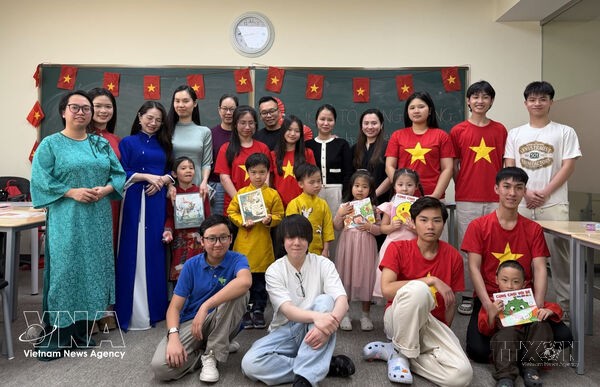
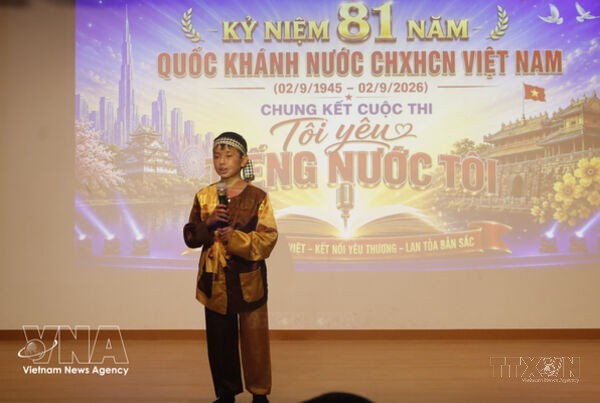
Another important area highlighted by Resolution 23 is promoting the Vietnamese language, history and national cultural identity among younger generations of overseas Vietnamese. Chung said this is also a key focus of Columbia University’s Vietnamese Language Programme.
The resources of overseas Vietnamese, she stressed, should be viewed not merely in terms of financial contributions or investment, but as part of a broader pool of knowledge, science, technology, education and highly skilled human resources. These resources are increasingly important to Vietnam’s goals of rapid and sustainable development and stronger national competitiveness.
From the perspective of a Vietnamese expert working in US higher education, Chung said she hopes the new thinking embodied in Resolution 23 will be translated into practical, long-term and accessible mechanisms for engagement.
In the US and many other countries, Vietnamese have achieved success in universities, research institutes, businesses and science and technology. The challenge is to establish effective mechanisms to connect “the right people, with the right expertise and networks, to the right development needs of Vietnam.”
She stressed that younger generations of overseas Vietnamese should not only be regarded as people whose Vietnamese language and cultural identity need to be preserved, but also as a future national resource.
Therefore, implementation of Resolution 23 should seek to shift from “connecting the community” to “connecting resources”, and from “attracting contributions” to “co-creating”. This will enhance Vietnam’s international standing, soft power and global presence while helping build strong pools of knowledge, technology and human resources for national development in the new era./.