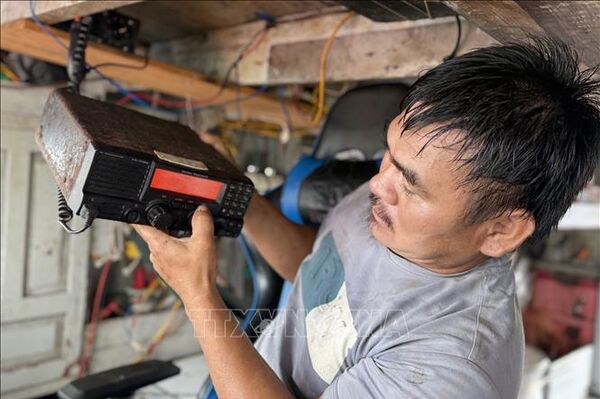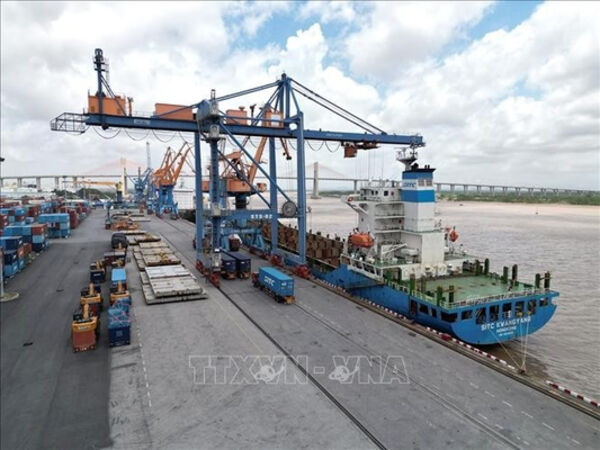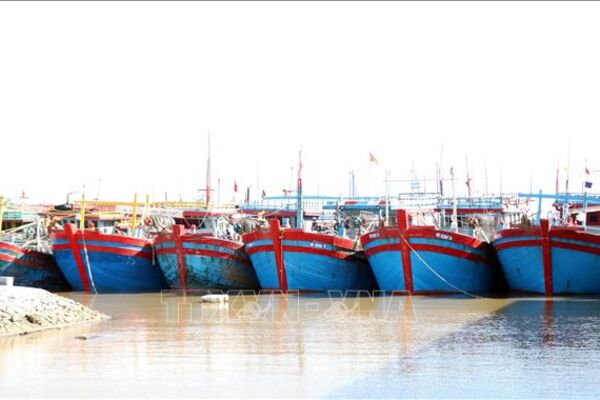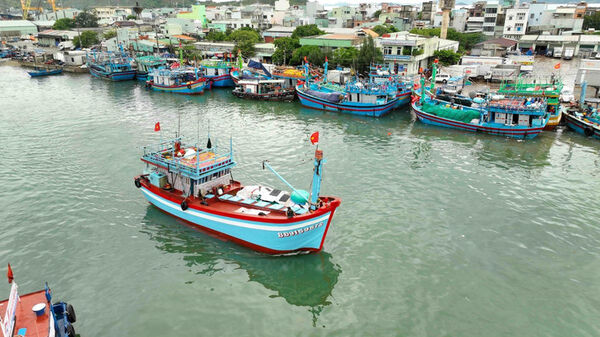
The move includes upgrading port infrastructure, digitalising vessel management and tightening seafood traceability in line with recommendations from the European Commission.
Vietnam’s Constitution clearly stipulates the equal rights of ethnic groups and the right to freedom of belief and religion, while the Party and State have consistently implemented policies that respect and protect these rights, ensuring equality among ethnic groups and providing the best conditions for minorities to preserve their cultural identities and thrive in all areas, considering this the cornerstone of national great unity and sustainable development. Yet, hostile organisations have continuously used various tactics to undermine the great national unity bloc and spread distorted allegations about religious and ethnic issues in Vietnam.
Prime Minister Pham Minh Chinh has laid stress on the need to complete the resolution of obstacles for renewable projects by February 2025 to prevent wastefulness, contributing to ensuring electricity for development.
A Film Week marking the 80th anniversary of the establishment of the Vietnam People’s Army is taking place from now until December 13 in Cao Bang Province and from December 19 to 25 nationwide.
The United Nations (UN) General Assembly adopted the Universal Declaration of Human Rights on December 10, 1948, designating the date as Human Rights Day to honour humanity's tireless efforts in protecting peace, and respecting and defending national independence and sovereignty, as well as human rights.
Human Rights Day is observed every year on 10 December, marking the day in 1948 when the United Nations General Assembly adopted the Universal Declaration of Human Rights. Over the years, Vietnam has actively participated in human rights protection activities led by the UN and international organisations.
As a coastal nation with more than 3,260 kilometres of coastline and thousands of islands, Vietnam’s commitment to responsible implementation of the United Nations Convention on the Law of the Sea (UNCLOS) is in line with the country’s thorough foreign policy, stated Assistant to the Minister of Foreign Affairs Nguyen Minh Vu.
Prime Minister Pham Minh Chinh on December 9 issued a directive to push ahead with the implementation of the national green growth strategy for 2021 - 2030 with a vision to 2050, a bold step to deliver on the carbon neutraility target.
Journalist Weiwei, a researcher on Vietnam and head of the Vietnamese Language Department at the China Central Radio and Television, has praised Vietnam's economic and diplomatic achievements in 2024.
Professor Carl Thayer at the University of New South Wales at the Australian Defence Force Academy has described Vietnam’s maintenance of political stability and economic success as its outstanding achievements in 2024.
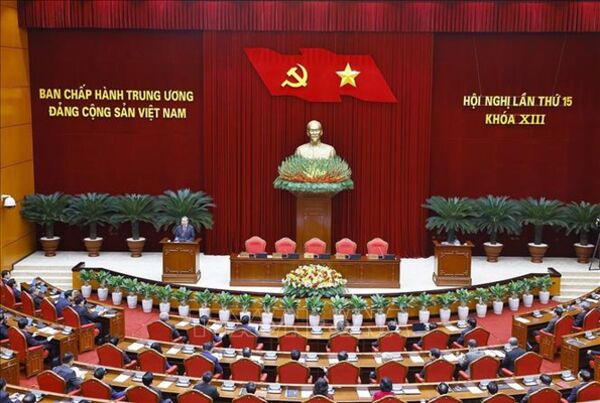
The central steering committee for the review of the implementation of Resolution No. 18-NQ/TW, issued by the 12th Party Central Committee in 2017, on December 5 requested all units to complete their proposals for restructuring and streamlining the organisational apparatus in December 2024, in preparation for extraordinary meetings of the Party Central Committee and the National Assembly, scheduled to take place in February 2025.
Vietnam, one of the leading countries in Southeast Asia in terms of digital infrastructure development, continues to make significant efforts to build a modern and integrated digital foundation, driving the comprehensive digital transformation of the nation, from digital government and digital economy to digital society.
The Vietnamese Embassy in Iran and Syria said on December 8 that it has requested Syrian authorities to provide detailed information about any Vietnamese nationals currently living, working and studying there amidst escalating tensions in the Middle East country.
The Vietnamese Party and State always attach importance to science-technology and innovation, considering them an objective requirement, a strategic choice, a national policy and a top priority which will drive rapid and sustainable development in the new era - the era of Vietnam’s rise, Prime Minister Pham Minh Chinh has said.
The Vietnamese Party and State consider US tech giant NVIDIA as a leading strategic partner in semiconductor and AI – the two domains that have been prioritised for the country's breakthroughs in improving productivity and competitiveness, Party General Secretary To Lam said on December 6.
Rearranging the organisational apparatus is a difficult task but it is essential, Prime Minister Pham Minh Chinh affirmed on December 4 at a Government conference to carry out the review of the implementation of Resolution No. 18-NQ/TW, issued by the Party Central Committee in 2017, which seeks to streamline the political system for greater efficiency.
Prime Minister Pham Minh Chinh on December 5 laid stress on the development of modern railway systems in Hanoi and Ho Chi Minh City, saying it is a significant move to settle traffic congestion and environmental pollution while promoting economic growth in the two major cities in line with directions issued by the Politburo on railway transport and infrastructure.
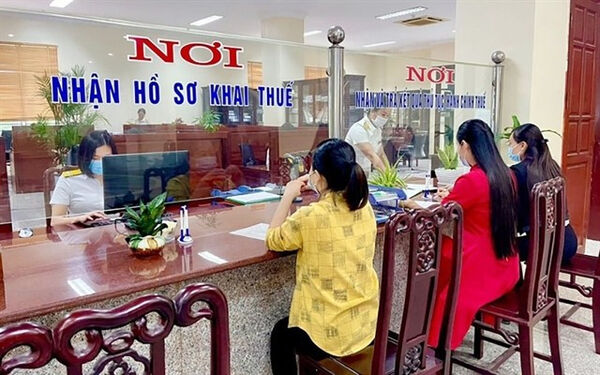
Prime Minister Pham Minh Chinh on December 1 signed an official dispatch demanding ministries, sectors, and localities to promote thrift practice and wastefulness combat.
Party General Secretary To Lam, while addressing a national conference in Hanoi on December 1, emphasised the need to further create institutional breakthroughs, resolve all difficulties, obstacles, and bottlenecks to unlock resources and strongly accelerate administrative reforms thus fostering a favourable environment for development.
Prime Minister Pham Minh Chinh on December 1 asked the Vietnam Oil and Gas Group (Petrovietnam) to accelerate technology transfer for wind turbine and blade production by 2026, ultimately achieving full technology mastery for offshore wind energy development.
The 2021-2026 government term was recently consolidated after the 8th session of the 15th National Assembly. It consists of 27 members, including the Prime Minister, five Deputy Prime Ministers, and 21 ministers and heads of ministerial-level agencies.