Resolution 68 boosts businesses entering market
By the end of 2025, Vietnam had more than one million active enterprises. In the first two months of 2026, about 64,500 enterprises entered or re-entered the market, up 29.4% year-on-year, averaging 32,200 newly established or returning businesses per month.
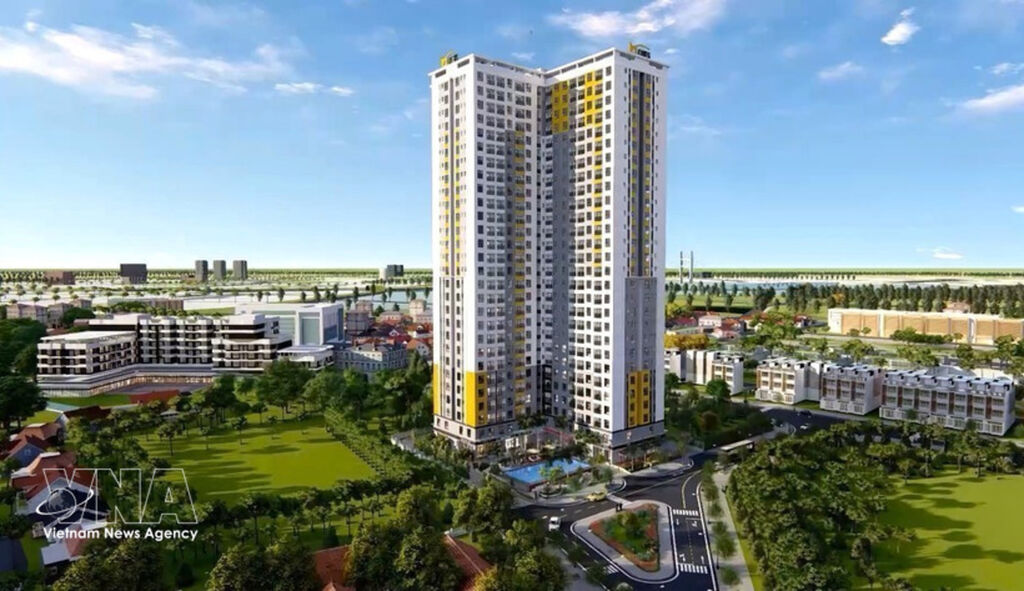
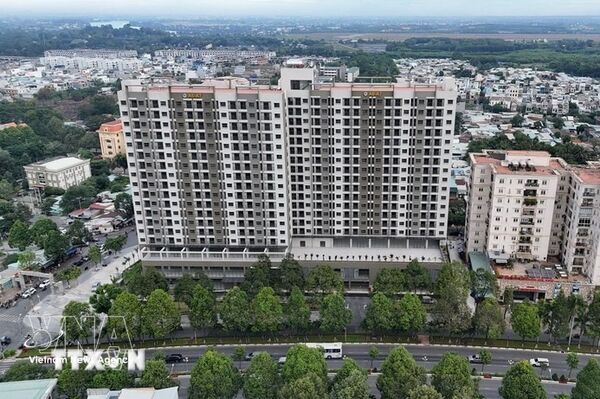
An apartment building developed by BCONS in Binh Duong (Photo: VNA)

Hanoi (VNA) – Reform momentum generated by Resolution No. 68-NQ/TW on private economic sector development, along with improvements to laws governing investment and business activities, has helped drive a rise in enterprises entering the market in the early months of the year.

Deputy Minister of Finance Nguyen Duc Tam said the resolution, issued by the Politburo on May 4, 2025, has strengthened confidence in the private economic sector. On average, more than 18,000 new enterprises were established each month and over 12,000 resumed operations.

By the end of 2025, Vietnam had more than one million active enterprises. In the first two months of 2026, about 64,500 enterprises entered or re-entered the market, up 29.4% year-on-year, averaging 32,200 newly established or returning businesses per month.

Nearly 1,000 household businesses upgraded to enterprise status, accounting for about 25% of total conversions recorded in 2025, reflecting strong reform momentum in the business community.According to the National Statistics Office (NSO) under the Ministry of Finance, nearly 35,500 enterprises were newly registered in the first two months, with total capital of nearly 313.7 trillion VND (11.93 billion USD) and over 167,500 registered workers.

Compared with the same period in 2025, the number of new firms rose 70.7%, capital increased 36.1%, and employment grew 19.1%.Including returning firms, about 29,000 enterprises resumed operations during the period.

New business formation increased across sectors, with 440 enterprises established in agriculture, forestry and fisheries, up 145.8%; around 8,200 in industry and construction, up 71.5%; and more than 26,800 in services, up 69.6%.
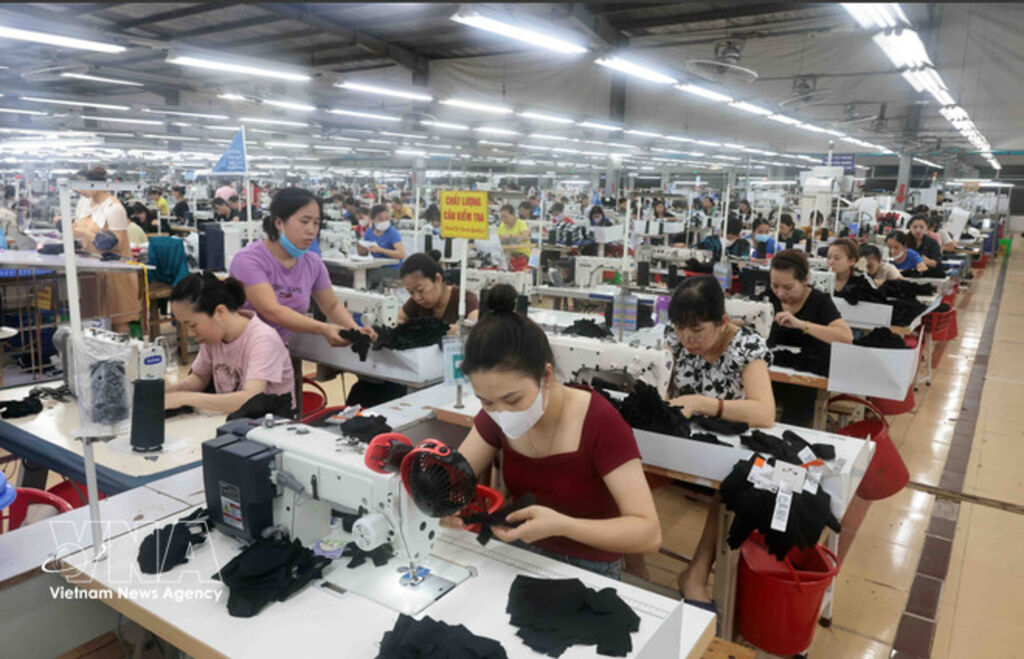
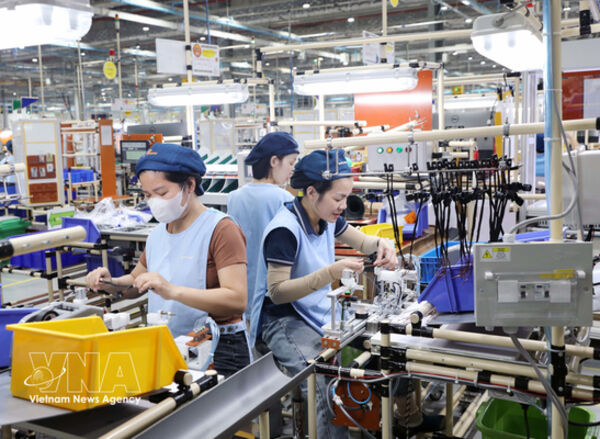
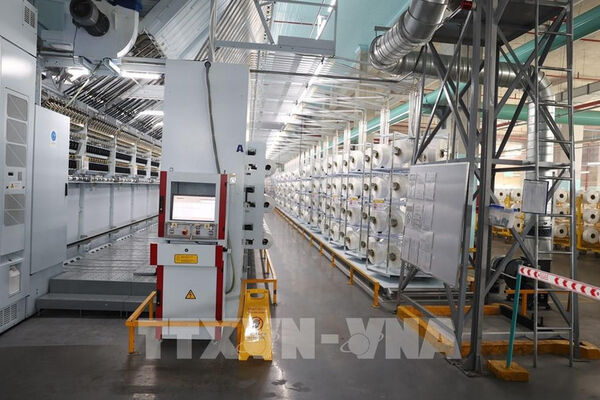
TNG Thai Nguyen generates jobs for about 20,000 labourers (Photo: VNA)

Total additional capital injected into the economy during the period reached nearly 851.9 trillion VND, up 20.1% year-on-year, reflecting a continued positive investment trend.

Alongside the impact of Resolution 68, Vietnam in 2025 also revised several legal frameworks related to investment and business. The amended Law on Enterprises, adopted on June 17, 2025 and effective from July 1, 2026, introduces provisions facilitating both market entry and exit.

The Law on amendments and supplementations to a number of articles of the Law on Investment, effective from March 1, 2026, also aims to improve the investment climate by cutting 38 conditional business sectors and shifting some sectors from pre-licensing to post-inspection management.

However, the business landscape showed challenges. Former NSO Director Nguyen Bich Lam noted that of the 35,500 newly established enterprises, 26,800 – or 75.6%, were in the service sector, with 65.6% concentrated in wholesale and retail trade, vehicle repair, and accommodation and food services.

Meanwhile, retail sales of goods and consumer service revenue rose only 4.5%, the lowest growth rate in four years. Lam warned that the rapid increase in service enterprises amid weak household consumption raises concerns about the sustainability of the current wave of market entry.

At the same time, business withdrawals remained high. In the first two months, 58,500 enterprises temporarily suspended operations, more than 10,600 awaited dissolution, and nearly 7,900 completed dissolution procedures. On average, around 38,500 firms exited the market each month, with new entrants equal to only 83.7% of those leaving.

Amid global volatility pushing up fuel and input costs, the Ministry of Industry and Trade has advised enterprises to closely monitor international developments, review import–export contract terms, diversify markets and partners, and prepare contingency plans for supply chains.

Meanwhile, the Ministry of Finance said it will continue implementing measures in 2026 to encourage household businesses to convert into enterprises, including improving the legal framework, abolishing the lump-sum tax regime for household businesses from January 1, 2026, and rolling out support policies such as tax exemptions, credit access and free digital platforms to ease the transition./.
Related News

New resolution to break logjam in social housing market

The Politburo’s Resolution 68, recently issued with sweeping orientations on institutional reform and private sector growth, is drawing attention from experts as a potential game-changer that could finally dismantle the entrenched obstacles stifling Vietnam’s social housing market.

Resolution 68: International lessons for private sector development

A common feature in many successful economies is a fundamental shift in the perception of private enterprises. In countries such as Singapore, Germany, Republic of Korea (RoK) and China, private firms are viewed not mainly as entities requiring strict control but as development partners and key forces generating growth, jobs and innovation.

See Also

Vietnam targets stronger national brand in Asia by 2045

Decision No. 173/QD-TTg dated January 27, 2026, issued by the Prime Minister approving the strategy for promoting Vietnam’s image abroad for 2026–2030 with a vision to 2045, identifies international communication as a strategic soft-power tool serving national development. The strategy aims to position Vietnam among Asia’s leading countries in terms of national brand and image by 2045, while striving to rank in the top three in ASEAN and top 30 in the Global Soft Power Index.

FDI attraction in 2026: Vietnam adapts to new global investment standards

To further enhance FDI attraction amid rising global and regional competition, Deputy Minister of Finance Tran Quoc Phuong said the ministry is drafting new strategies on foreign-invested economic development and next-generation FDI attraction, focusing on more open, transparent and competitive institutional frameworks.

Major environmental targets for 2026–2030

The Resolution of the 14th National Party Congress sets several environmental targets for the 2026–2030 period, including maintaining forest coverage at 42 percent, cutting greenhouse gas emissions by 8–9 percent, treating and reusing 65–70 percent of wastewater in river basins, and expanding marine and coastal protected areas to at least 6 percent of Vietnam’s maritime area.

Hanoi maintains stable supply of petrol, LPG

The Hanoi Market Surveillance Sub-department said petrol and LPG trading activities across the city remain stable, with supply largely meeting demand despite volatility in global energy prices.

South–South cooperation promotes rights, justice for women and girls

UN Resident Coordinator in Vietnam Pauline Tamesis commended Vietnam’s sustained commitment to gender equality, noting advances in budgeting, land use, social insurance and domestic violence prevention under the recent review of the Convention on the Elimination of All Forms of Discrimination against Women (CEDAW).

EU – Vietnam Global Gateway business forum to be held in Hanoi

Key discussions will centre on sectors viewed as catalysts for Vietnam’s sustainable growth such as sustainable transport, energy transition, infrastructure connectivity, green and digital transformation, and the adoption of ESG standards in investment and business practices.

Dong Nai works to ensure workers cast vote on Election Day

With the utmost regard for citizens’ electoral rights and responsibilities, and in a spirit of creating optimal conditions for workers, especially those employed in industrial parks and non-state enterprises, the provincial leader has requested that no overtime be scheduled during voting hours.

PM orders no energy shortages under any circumstances

Pham Minh Chinh chaired a meeting with ministries, agencies and the national energy security task force to discuss measures to ensure a proactive energy supply for socio-economic development and support double-digit growth targets amid mounting tensions in the Middle East affecting global energy supply chains.

Central Theoretical Council for 2026-2031 term established

The Party chief noted that in recent years the council has made significant contributions to the Party’s theoretical research and development, particularly in clarifying the path toward socialism in Vietnam and contributing to the preparation of major Party documents, including those presented at national Party congresses.