 |
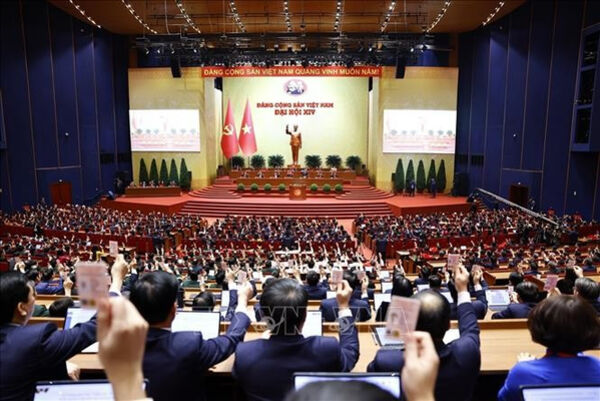
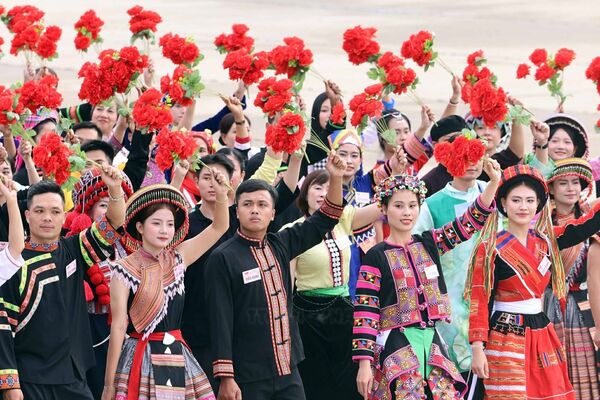
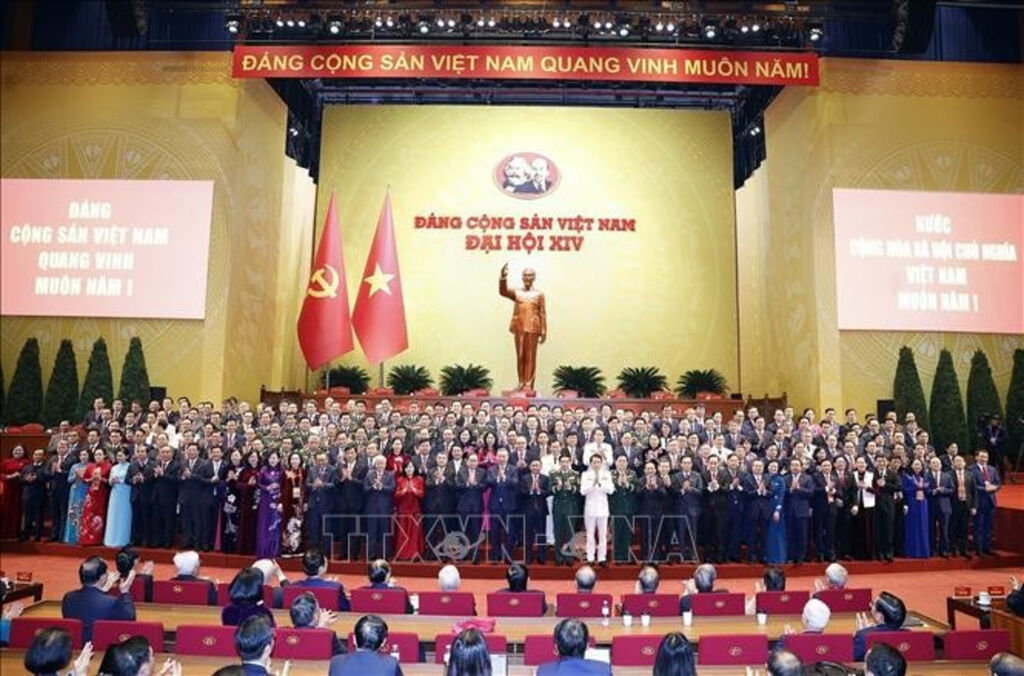
| The 14th-tenure Party Central Committee makes its debut at the 14th National Congress of the Communist Party of Vietnam (Photo: VNA) |
Jakarta (VNA) – The 14th National Congress of the Communist Party of Vietnam (CPV) marked a major turning point in the country’s political orientation and development trajectory for the next five years, according to Indonesian scholar Veeramalla Anjaiah in a recent article published on eurasiareview.com.
The author, a senior researcher at the Centre for Southeast Asian Studies (CSEAS), wrote that the Congress’s unanimously re-elect General Secretary To Lam for another five years clearly reflected a choice for stability and continuity amid increasingly complex regional and international developments.
The Congress also elected 200 members to the Party Central Committee and 19 members to the Politburo, thereby completing the leadership apparatus for the new term.
Anjaiah noted that the Congress’ theme demonstrated Vietnam’s strong ambition, with a focus on national unity, strategic self-reliance, rapid and sustainable development, and the pursuit of prosperity and happiness along a socialist-oriented path.
In his view, the Congress powerfully awakens the resolve and intellect of the entire Party and the will of the whole nation while clearly defining the development roadmap for the 2026–2030 period.
According to the article, the 14th Congress has set a political direction for the country for the next five years and reinforcing continuity at the top while tightening control within the Communist Party’s core institution.
The author particularly underscored the renewed emphasis on the traditional motto “the people are the roots,” describing it as a significant political message reaffirming the central role of citizens in Vietnam’s national development strategy. General Secretary Lam, he wrote, reaffirmed absolute loyalty to the Party’s goals and ideals, while stressing the priority of safeguarding national interests, independence, self-reliance and resilience.
The article also cited the General Secretary’s remarks acknowledging the contributions of outgoing members of the 13th Party Central Committee and encouraging them to continue sharing experience and contributing to national development. This message, Anjaiah argued, reflected efforts to preserve internal unity, institutional memory and leadership continuity within the Party.
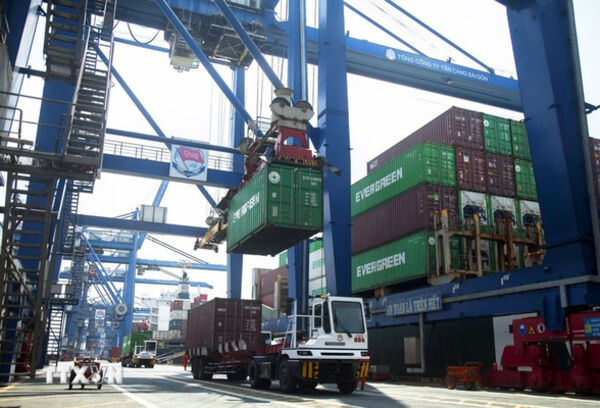
On the economic front, the author highlighted the ambitious growth target outlined by General Secretary Lam, with average annual growth of around 10% during the 2026–2030 period. He noted that Vietnam aims to shift from a growth model based on low-cost production to one driven by innovation, productivity and efficiency, a bold objective given ongoing global economic uncertainties.
The resolution adopted at the Congress’s closing session identified innovation, digital transformation and green growth as key pillars of Vietnam’s new development model. While Party strategists believe Vietnam has sufficient policy space, potential and favourable conditions to sustain high growth, Anjaiah cautioned that the greatest challenge lies not in setting targets, but in maintaining a resilient and sustainable growth model amid intensifying geopolitical pressures on trade, investment and global technology flows.
The article further observed that the Congress reaffirmed the pivotal role of foreign affairs in Vietnam’s development strategy. For the first time, diplomacy was placed on par with national defence and security as a permanent core task of the Party and the entire political system. This elevation, particularly the emphasis on diplomacy for development and science-technology cooperation, signalled rising expectations for Vietnam’s diplomatic sector.
Anjaiah concluded that the Congress stands a s a milestone in Vietnam’s journey of development and social construction. It will also shape the country’s development orientation and strategies during the next five years./.