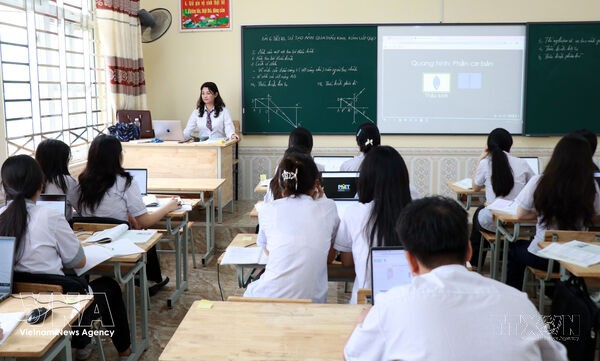
The AI education content is structured around four areas corresponding to key AI competencies: human-centred thinking, AI ethics, AI techniques and applications, and AI system design.
The programme aims to develop an AI workforce of sufficient scale, structure and quality to meet the requirements of strategic technology sectors, enhance national technological self-reliance, promote innovation and digital transformation, and foster the digital economy and digital society.
The concept of a sleepless enterprise does not necessarily mean making employees stay on the job all the time. Instead, it's about building intelligent systems that can respond to customers, process transactions, monitor operations, analyse data and flag risks continuously.
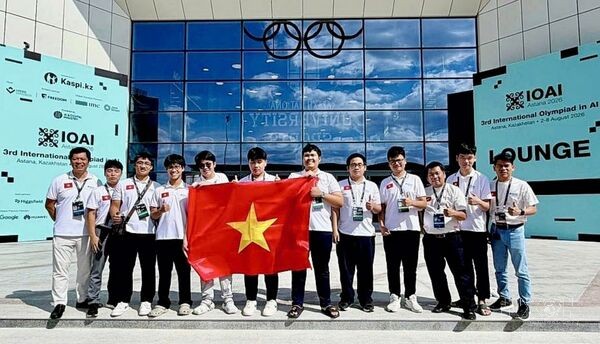
The result affirmed Vietnam’s competitiveness among the world’s leading countries in AI while demonstrating Vietnamese students’ aptitude, analytical thinking and ability to embrace new technologies.
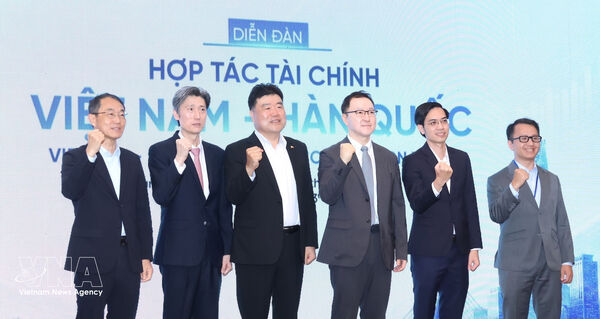
Describing the RoK as a strategic partner of VIFC-HCMC, a leader of the centre said cooperation potential is significant given the country’s developed capital market, modern banking system, technological strengths and experience in building financial centres in Seoul, Busan and Incheon.
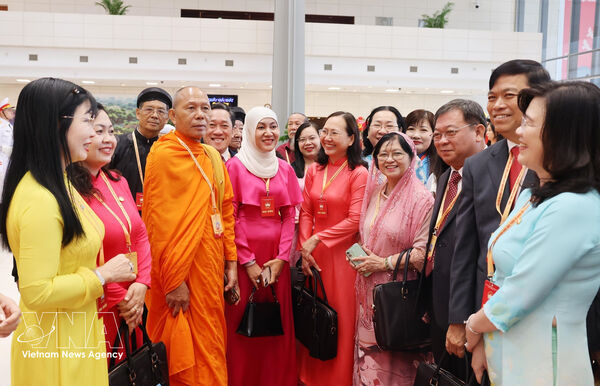
Delegates at the 11th National Congress of the Vietnam Fatherland Front (VFF) for 2026–2031 shared the view that applying artificial intelligence (AI) and digital transformation is an inevitable step for national development in the coming period.