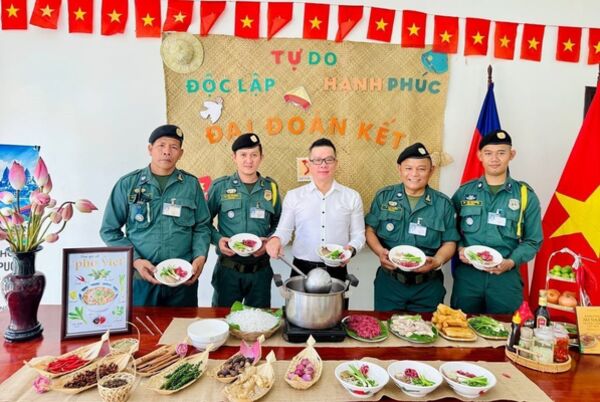
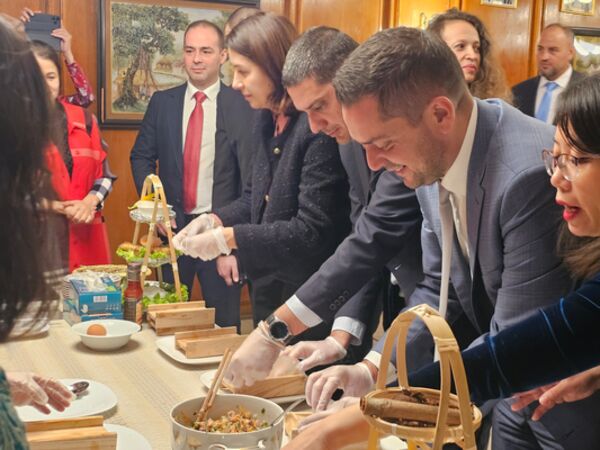
The “Day of Pho” event was held at Ngon Restaurant in Phnom Penh on November 21, highlighting Vietnam’s culinary heritage and promoting cultural exchanges between Vietnam and Cambodia.
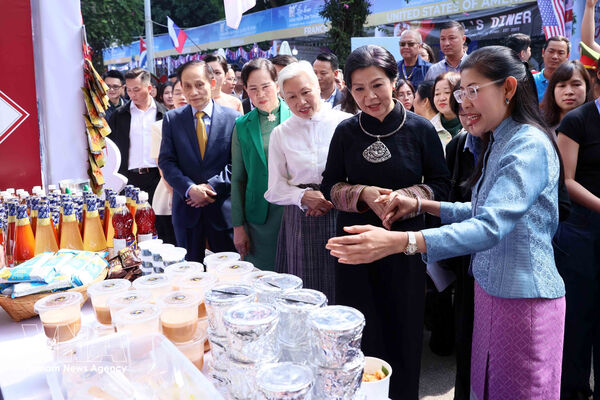
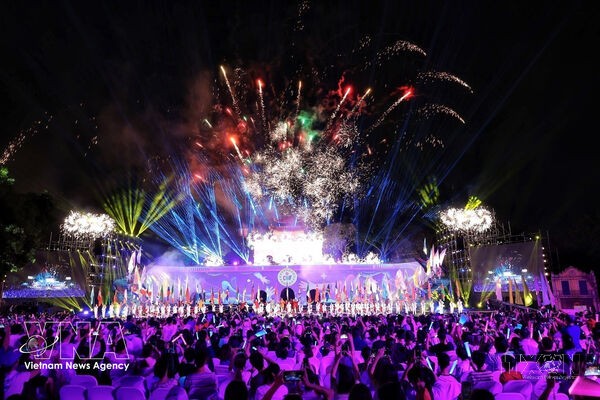
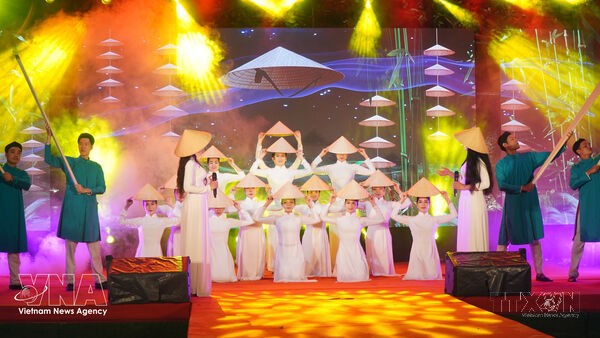
Held on November 21-22, ahead of Vietnam Culture Day on November 24, the 14th International Culinary Culture Festival 2026 provides an opportunity to celebrate the distinctive values of Vietnamese and international culinary cultures, promote exchanges and mutual understanding, and strengthen friendship between Vietnam and the international community.
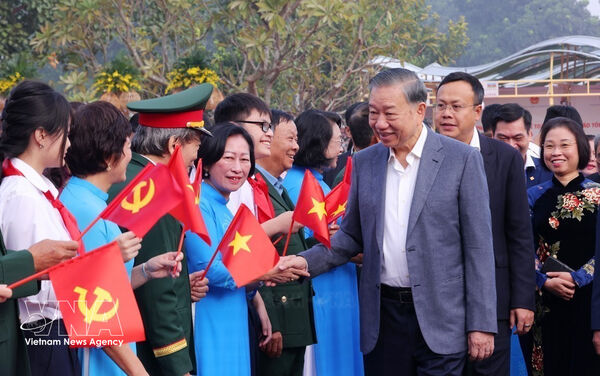
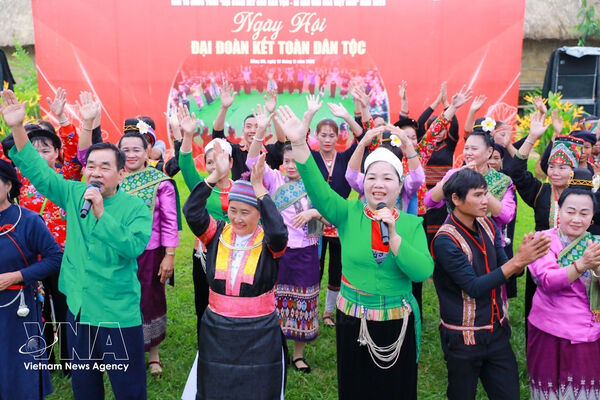
General Secretary and President To Lam said solidarity is a precious cultural value of the Vietnamese people, noting patriotism, compassion, loyalty, and morality have bound generations together and constituted collective strength.
Harnessing cultural strength and reinforcing the great national unity bloc begin with concrete action at the grassroots level. In this process, Party committees provide leadership, local authorities create favourable conditions, the Vietnam Fatherland Front (VFF) and its member organisations play a central role in mobilising and bringing people together, while citizens are the creators, practitioners and beneficiaries of cultural values.
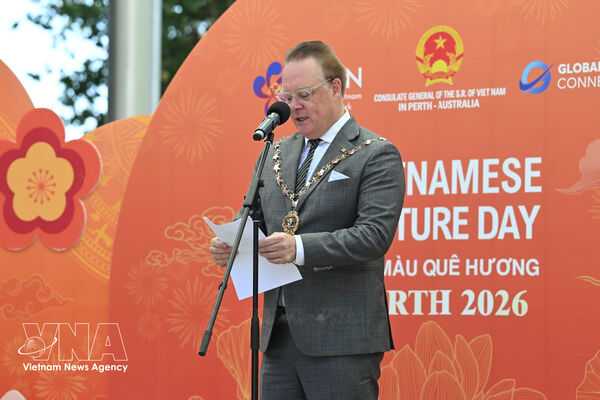
Vietnamese Consul General in Perth Pham Hai Anh called on the Vietnamese community there to preserve the language, family traditions and national values, actively promote Vietnamese culture internationally and encourage creativity to bring national culture closer to the world while harmonising tradition with modernity.
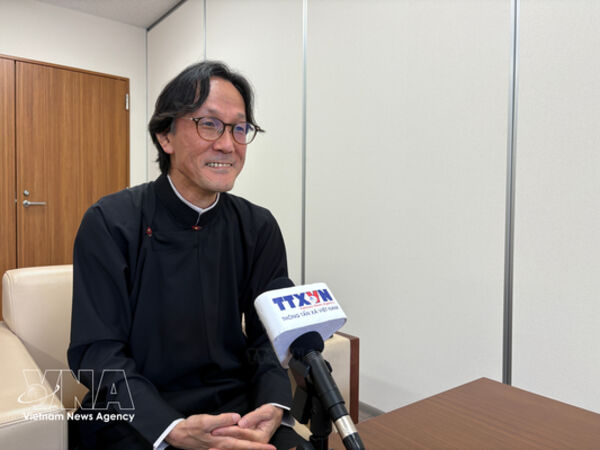
Professor Masaaki Shimizu of Osaka University highlighted how opportunities to use their mother tongue and experience Vietnamese culture in everyday life enable the young people to gain a deeper understanding of their roots and serve as a bridge between the two countries, helping to strengthen bilateral cultural ties
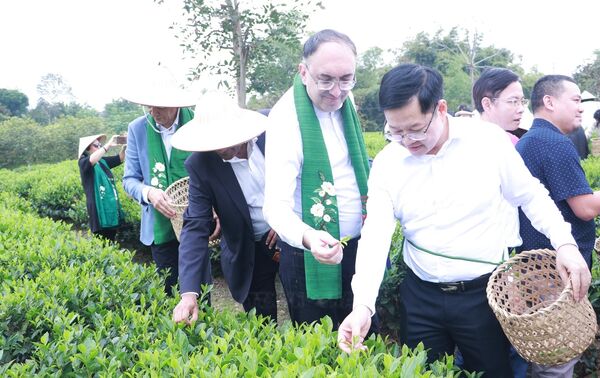
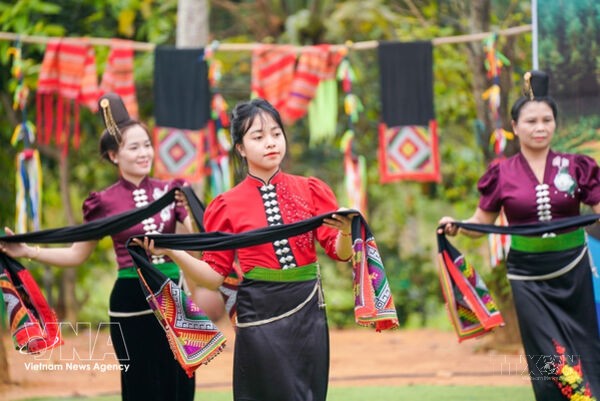
A land with a rich historical and cultural heritage in Vietnam’s northern midland and mountainous region, Thai Nguyen is renowned for its celebrated tea-growing areas and cultural diversity.
The 2026 festival was particularly significant as it coincided with the 50th anniversary of Vietnam’s membership in UNESCO, marking five decades during which Vietnam has evolved from a country emerging from war into an active and responsible member, increasingly contributing initiatives to UNESCO and the international community.
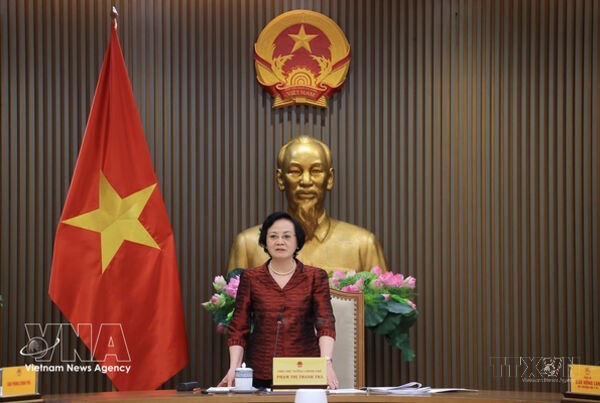
People, communities, artists, intellectuals, businesses and young people should be placed at the centre as both participants and creators, as well as direct beneficiaries of cultural achievements during activities marking Vietnam Culture Day, according to Deputy PM Pham Thi Thanh Tra.
Culture is now regarded as a spiritual foundation, an internal strength, a resource and a key driver of sustainable development, not merely a field to be preserved and upheld.
Minh Ha Patmore, an artist from the Vietnam-Australia Cultural Exchange Organisation (VACEO), said overseas Vietnamese artists can serve as natural “cultural ambassadors”, connecting Vietnam with international friends through art.
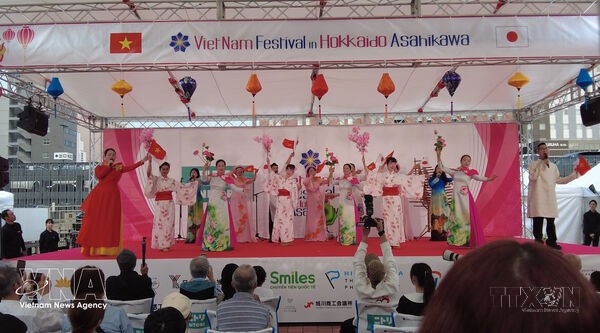
The first Vietnamese Cultural Festival in Asahikawa, Hokkaido, has attracted a large number of Japanese residents and members of the Vietnamese community, offering a vibrant showcase of Vietnamese culture and promoting people-to-people exchanges between the two countries.
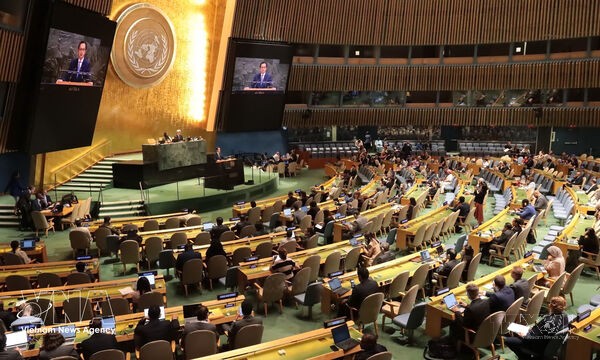
The resolution designates 2027–2036 as the International Decade of Culture for Sustainable Development, providing a long-term framework for countries and the international community to step up action and further integrate culture into development policies.
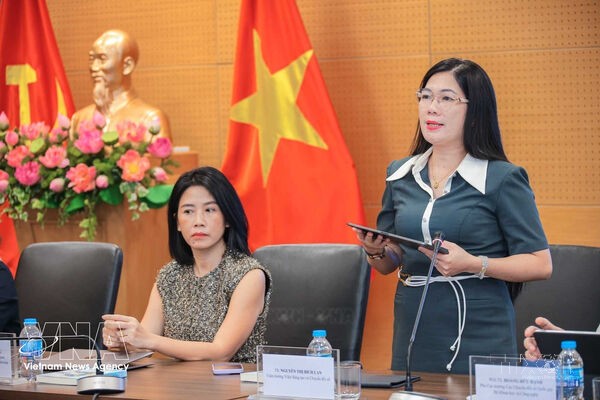
Director of the institute Dr. Nguyen Thi Bich Lan said the awards arrive as science, technology, innovation and digital transformation reshape how cultural values are preserved, created and spread.
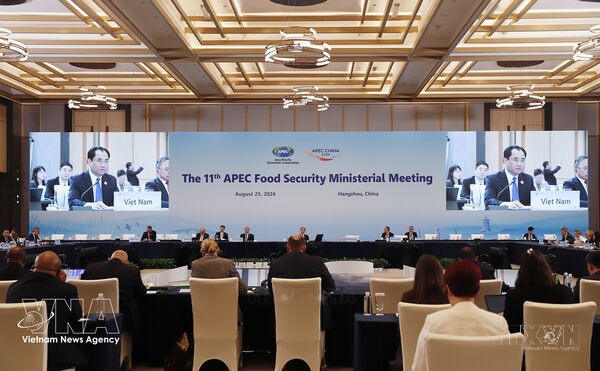
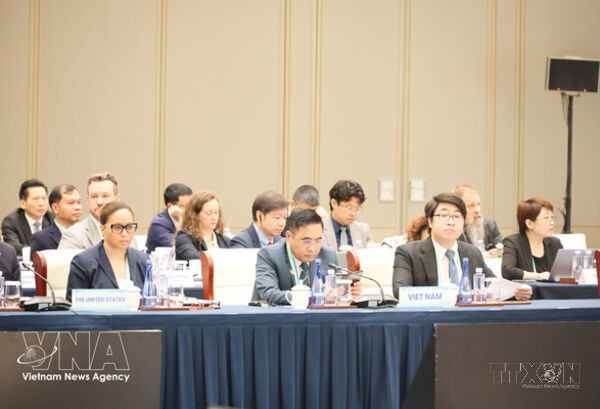
Vietnam’s proposals at the 11th APEC Food Security Ministerial Meeting, which took place in Hangzhou, China received broad support and consensus from participating economies. Several members expressed their desire to work with Vietnam to further build consensus, with a view to ensuring that the APEC Food Security Ministerial Meeting in Vietnam in 2027 will produce a shared vision and a substantive action programme.
The goals are part of the ministry’s administrative reform plan for 2026-2030, which seeks to build a modern, streamlined and effective administration centred on serving people and businesses.
Chairing a conference of the National Committee on Aging in Hanoi on August 17, Deputy Prime Minister Pham Thi Thanh Tra, who is also its Chairwoman, said the Party and State pay special attention to elderly affairs. At the same time, awareness across the entire political system and society has become increasingly clear, comprehensive and positive.
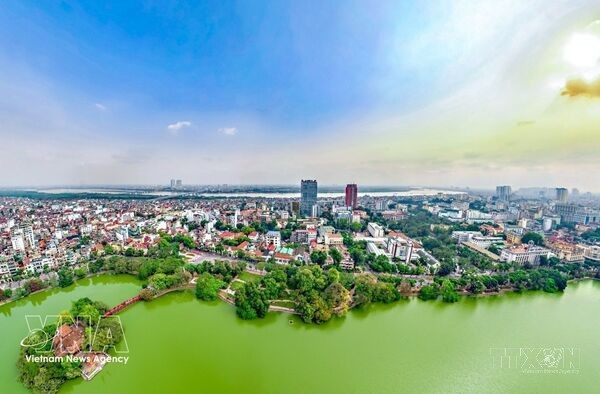
In the Hanoi Capital Master Plan with a 100-year vision, culture is identified as the core value underpinning the entire plan, serving as an endogenous resource, a source of soft power, and a driving force for the capital city's sustainable development strategy.
Vietnam views sustainable forest management as the fundamental, long-term solution to building self-regenerating forests that adapt to climate change while continuing to deliver essential ecosystem services to citizens.