Resolution 57-NQ/TW has opened up new space and momentum for Vinh Long’s agriculture to transform towards modernity, sustainability and climate resilience.
As the Party identified breakthroughs in science – technology and innovation as a key driver of national progress, the mastery and adoption of biometric technologies must go hand in hand with safeguarding public trust, data security, and citizens’ interests, all aligned with the people-first philosophy guiding the country's digital agenda.
Information consistency will help improve national tourism brand recognition among travellers, laying a stepping stone for positioning Vietnam as a green, safe and friendly destination, according to an insider.
The rapid digital transformation has encouraged farmers in Lao Cai to adopt information technology, social media, and e-commerce in production and business activities, generating a stable source of income.
Clear strategies on sustainable and self-reliant development, coupled with continued investment in strategic infrastructure, especially digital, energy, and logistics, are expected to provide a solid foundation for Vietnam’s long-term advancement and deeper international integration by 2045.
After one year, both awareness and action across the political system have improved, underscoring the Resolution’s timeliness and effectiveness in removing bottlenecks and driving development.
The average score of the rankings is 9.3 points. The gap in e-commerce development between the two major economic centres – Hanoi and HCM City – and the remaining provinces and cities is very large.
The digital economy is establishing itself as a pillar of Vietnam’s development process as it is expected to reach about 39 billion USD in 2025 and boasts one of the fastest growth rates in Southeast Asia.
With Vietnam’s total foreign trade turnover projected to near 920 billion USD in 2025, the role of e-commerce in supporting exports is no longer theoretical.
The Law on Digital Transformation lays an important legal basis for implementing the Politburo’s Resolution No. 57-NQ/TW on breakthroughs in science – technology development, innovation, and national digital transformation.
Following its goal of building a friendly destination, the Ho Chi Minh City Department of Tourism is rolling out a range of local stimulus programmes, with a focus on bringing the city’s signature attractions closer to domestic and international visitors through digital platforms.
Data centres have surged to become the second most preferred alternative asset class in the region. Vietnam is no exception to this trend as the demand for infrastructure supporting AI, cloud computing, and digital services has risen at an unprecedented level.
By 2030, Vietnam targets completing the establishment of a digital government, forming a smart government powered by big data and artificial intelligence (AI), delivering proactive, predictive, and citizen-centric governance models.
Analysing global trends and the upcoming national development tasks, the PM stressed the need to strengthen strategic spearheads, harness new growth motivations, including science and technology, innovation, green transition and digital transformation, and improve labour productivity and human resource quality.
A joint report by the HCM City Institute for Development Studies and international partners estimates that the city alone will need about 990 trillion VND (nearly 38 billion USD) for its green transition and digital transformation over the next decade, averaging 4 billion USD annually.
A youth-inspiration talk show themed “Intelligent Generation NOW” opened the 2025 Autumn Economic Forum in Ho Chi Minh City on November 25, bringing together Government leaders, international experts and Vietnamese youth to discuss the mindsets, skills and responsibilities needed in the age of AI and global knowledge.
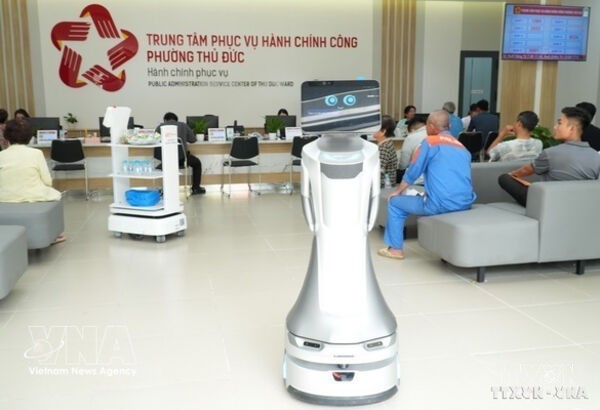
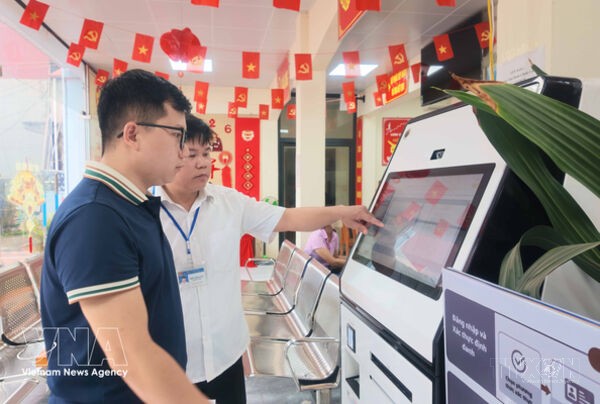
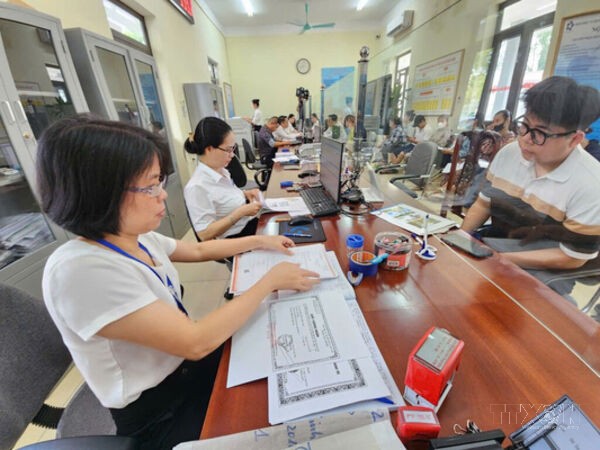
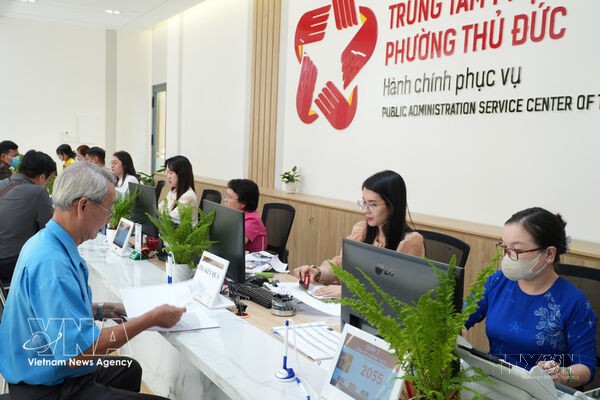
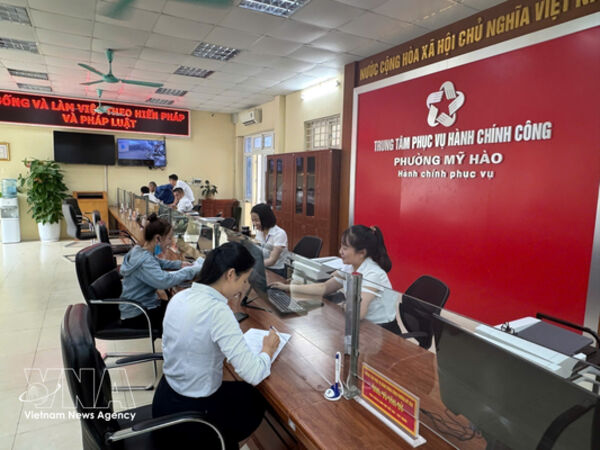
Authorities at all levels have shifted from a passive, procedure-based approach to a proactive, service-oriented mindset focused on facilitating people and businesses.
Prime Minister Pham Minh Chinh asked participants to propose priority tasks and breakthrough measures ahead, including removing obstacles, accelerating capital disbursement, simplifying procedures, promoting data reuse to cut paperwork, and offering maximum support to citizens and enterprises.