Realised FDI in Vietnam during the first four months was estimated at 7.40 billion USD, up 9.8% year-on-year, the highest level for the period in the past five years.
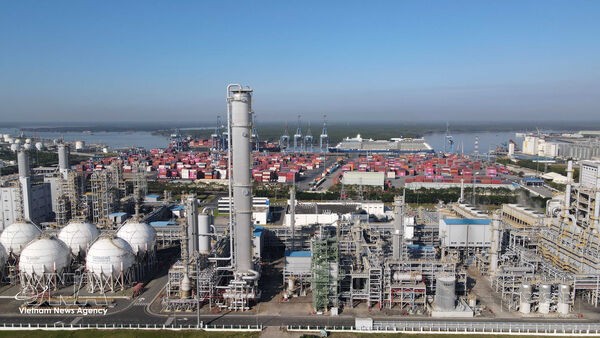
Ho Chi Minh City needs to strengthen investment in supply chain data systems, smart warehouses, regional logistics centres and inland container depots, while promoting stronger linkages between FDI firms, large domestic companies and small and medium-sized enterprises to support technology transfer and workforce development.
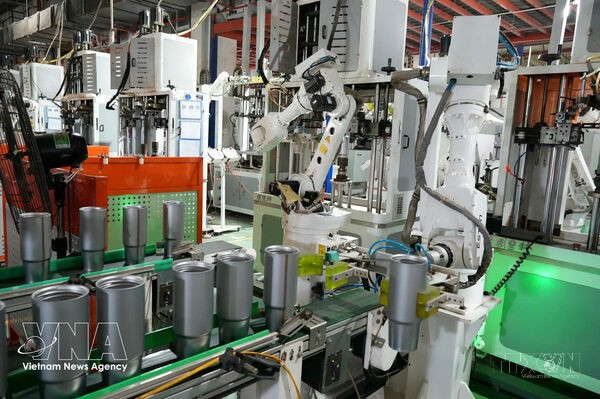
Vietnam is gradually becoming a strategic destination for high-quality global FDI. Investment flows are increasingly directed toward sectors such as high-tech manufacturing, electronics, digital infrastructure, modern logistics, and industries that are closely linked to global supply chains.
To further enhance FDI attraction amid rising global and regional competition, Deputy Minister of Finance Tran Quoc Phuong said the ministry is drafting new strategies on foreign-invested economic development and next-generation FDI attraction, focusing on more open, transparent and competitive institutional frameworks.
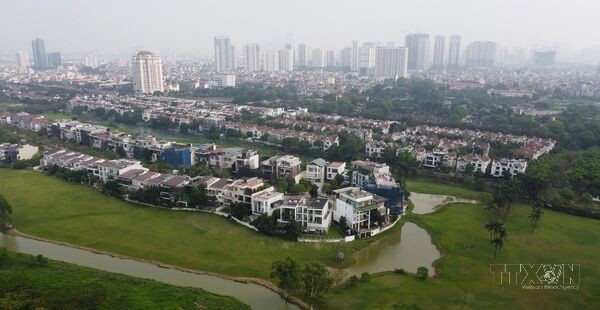
From 2026, the industrial real estate market in the northern region is forecast to enter a new growth phase as strategic infrastructure projects near completion, supply expands, and green industrial parks become a decisive factor for foreign direct investment (FDI).
Vietnam has progressed beyond reliance on low-cost advantages for investment attraction. Capital is now flowing strongly into higher-value areas such as technology, electronics, modern logistics and industries linked to global supply chains.
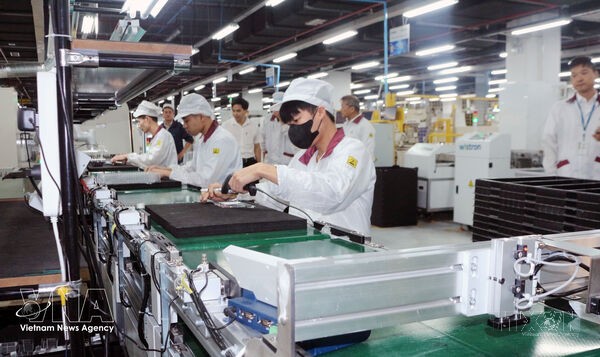
Vietnam stands out as a representative example. The article cites US technology group Intel as a case in point. Since establishing its testing and assembly facility at the Saigon Hi-Tech Park in 2010, Intel has expanded operations through total investments of 1.5 billion USD.
Clear strategies on sustainable and self-reliant development, coupled with continued investment in strategic infrastructure, especially digital, energy, and logistics, are expected to provide a solid foundation for Vietnam’s long-term advancement and deeper international integration by 2045.
Vietnam is aiming to become a high-tech economy with the STI pillars identified as the enablers, and the local conditions enable their rapid development, said an Israeli expert.