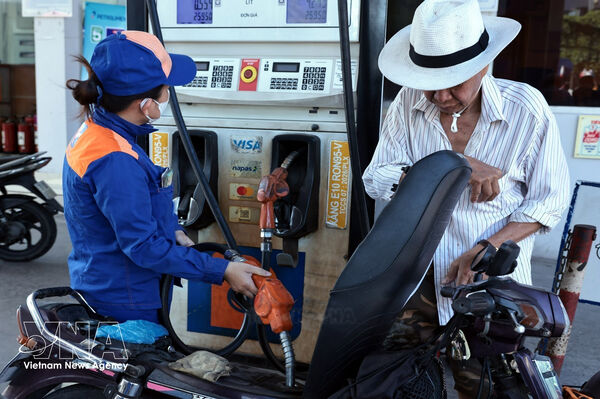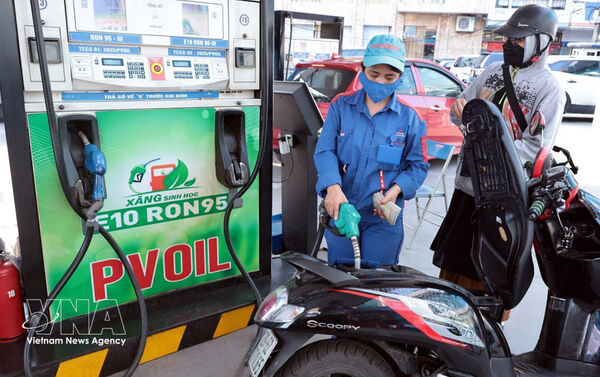
According to authorities, the introduction of E10 will be accompanied by tax and fee adjustments to make it more competitively priced than traditional fossil fuel.
By 2030, Vietnam’s railway sector aims to achieve sustainable growth on existing lines while playing a greater role in supporting a green and circular economy. It also focuses on improving efficiency, reducing environmental impact, and upgrading service quality.
In 2025-2026, the “For a Green National Environment” programme will pivot around six tasks that merge expertise with broad social outreach, including targeted communications, "Journey to Net Zero" conferences and trainings, ESG surveys and announcements, a "National Green Ambassador" contest, a "Green Fashion" design competition, and the rollout of "National Green Station" models focused on zero-waste living.
HCM City is implementing a project to convert its bus fleet to electric vehicles, underscoring its commitment to environmentally friendly public transport.
According to the State Bank of Vietnam (SBV), by the end of the third quarter, outstanding green credit reached approximately 742.8 trillion VND (28.17 billion USD), up 5.5% compared to the second quarter and 9.3% from the end of 2024.