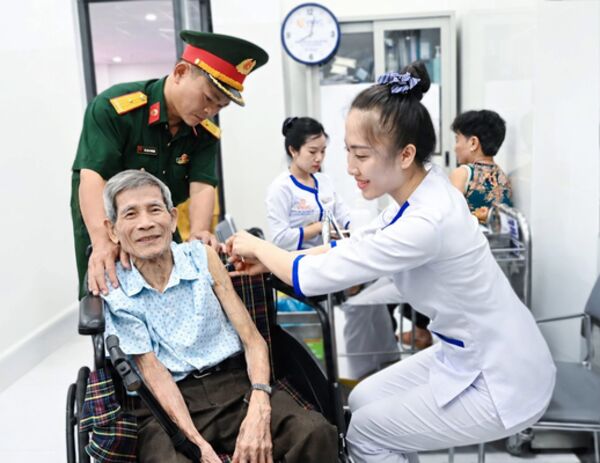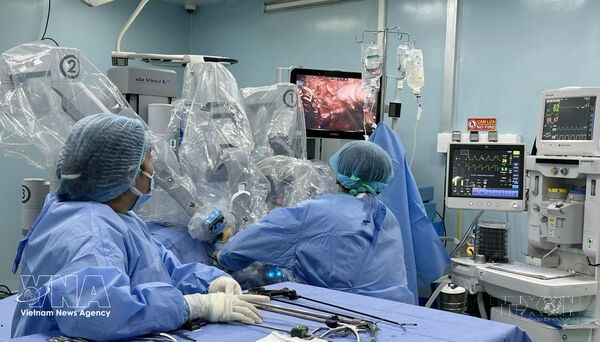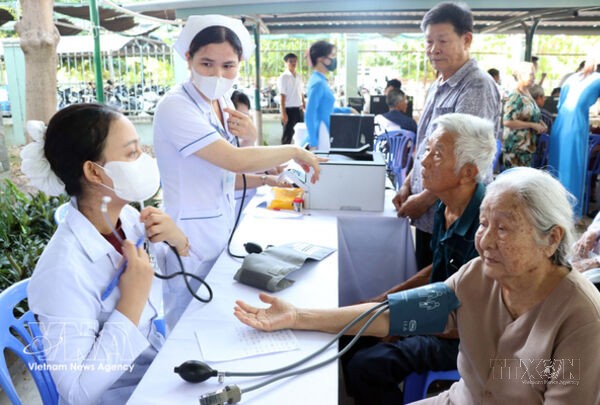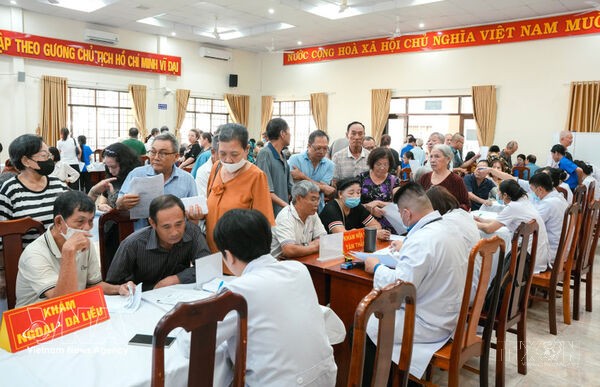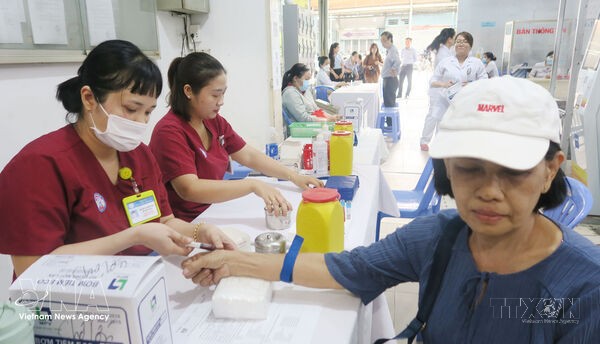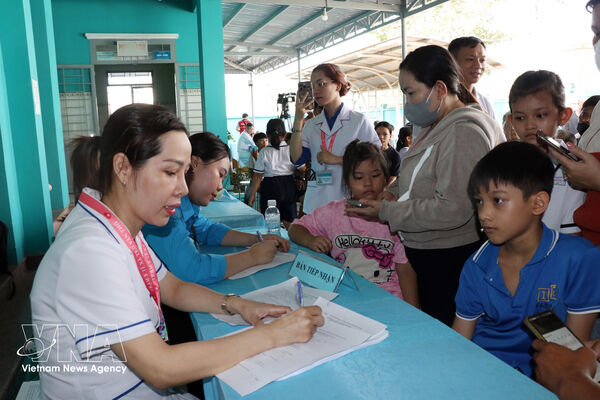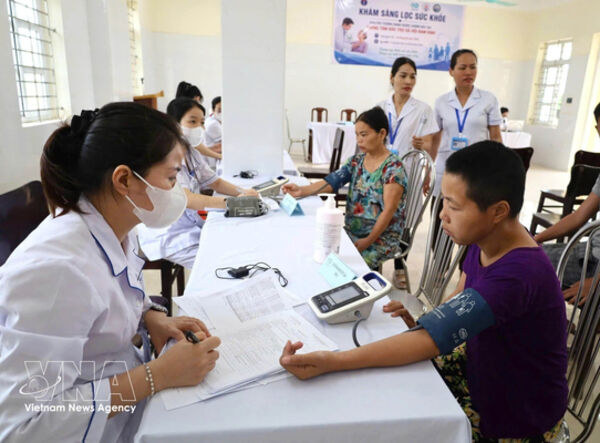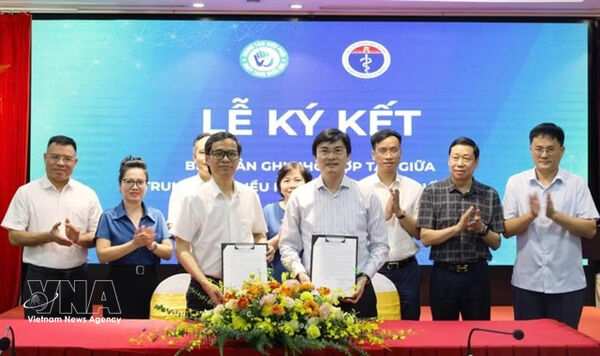
The campaign, launched on July 16, aims to ensure that all residents receive health examinations, have electronic health records and benefit from continuous health management.
Achieving universal health check-ups in 2026 will lay the foundation for a new healthcare model in which every resident has an electronic health record, receives regular screenings, benefits from lifelong health management and gains access to early intervention through primary healthcare services.
One of the resolution’s key priorities is to continue improving healthcare services by placing people at the centre, while enhancing grassroots healthcare capacity and accelerating digital transformation.
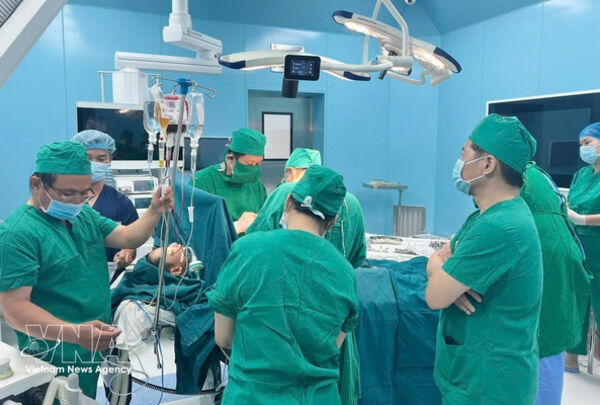
The new network aims to improve identification and management of potential donors, especially brain-dead patients, and to coordinate counseling, outreach and the receipt of donated organs.
Ho Chi Minh City is pioneering efforts to expand access to quality healthcare by deploying doctors and extending hospital services to remote and island areas, as part of its push toward universal health coverage.
Resolution No. 72-NQ/TW of the Politburo underscores the pivotal role of physical exercise and sports as a breakthrough solution, shifting the mindset from “treatment” to “proactive health protection and improvement.” It is seen as a “golden key” to enhancing the physical fitness and health of the Vietnamese people.
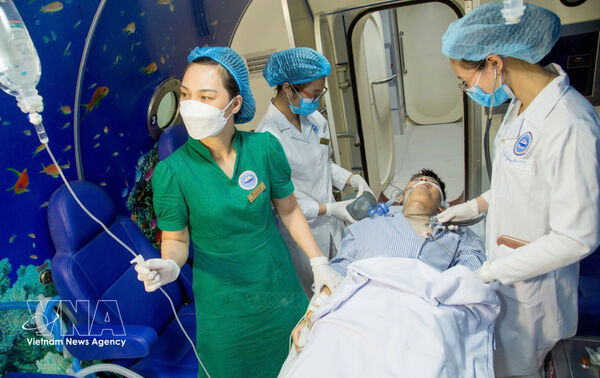
Hai Phong authorities consistently recognise the role of central-level healthcare institutions, including VINIMAM, which plays a particularly important role in providing health care for fishermen and residents in coastal and insular areas.
The initiative is designed to bring multi-specialty healthcare closer to communities, with an emphasis on vulnerable and high-risk groups, including the elderly, those with chronic conditions, and disadvantaged populations, enabling early detection and sustained health management.
The launch marked the first year the activity has been implemented in a coordinated manner nationwide. Members of the public were able to visit free screening areas, receive nutritional advice, participate in mass exercise performances, enjoy artistic programmes, and join a walk in response following the ceremony.
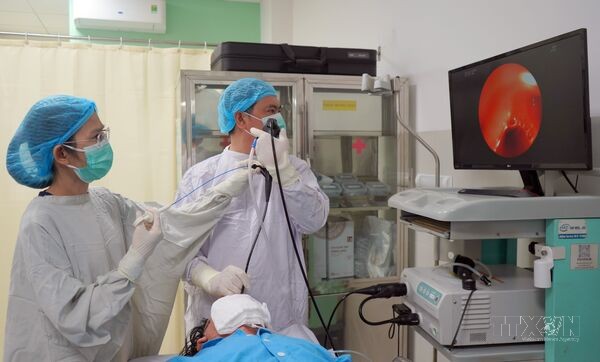
Participants will receive comprehensive health checks through a streamlined one-stop process, including blood pressure measurement, height and weight assessment, BMI and cardiovascular risk evaluation, blood tests, general examinations and specialist consultations in internal medicine, paediatrics, obstetrics, ophthalmology, ENT, dentistry and oncology. Rapid blood glucose testing and biochemical screening will also be conducted to detect diabetes and metabolic disorders.
To build a resilient healthcare system capable of meeting the challenges of ageing, emerging diseases and rising expectations for quality care, Vietnam must continue to strengthen primary and preventive care, invest in human resources, accelerate digitalisation and big data development, and refine healthcare financing mechanisms.
Vietnam has recorded no cases of Nipah virus infection as of January 26, according to the Ministry of Health (MoH), which has instructed localities to step up surveillance and preventive measures and remain ready to respond to any potential outbreak.