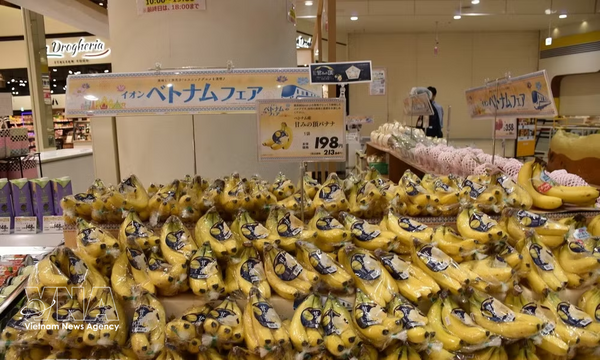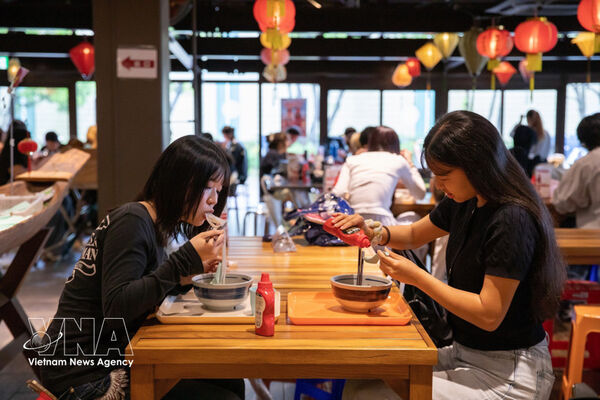
The Vietnamese dish has been served at the university cafeteria for a two-week period beginning May 18, allowing students to experience and learn more about Vietnamese cuisine.
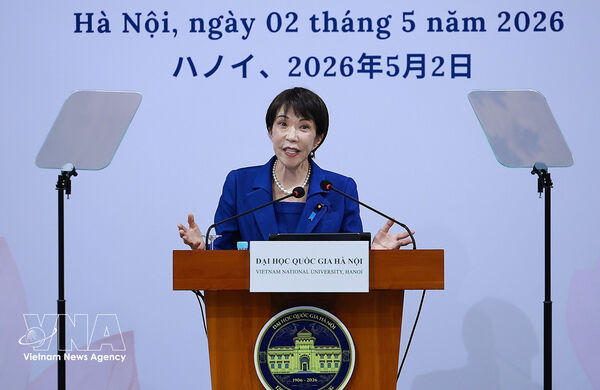
Speaking to the press in Canberra on May 4, the Japanese PM stressed that during her visits to Vietnam and Australia, in addition to deepening personal trust among leaders, she and the leaders were able to reach agreement on advancing concrete cooperation toward their shared objective of enhancing national resilience and autonomy, and becoming stronger and more prosperous together as a region.
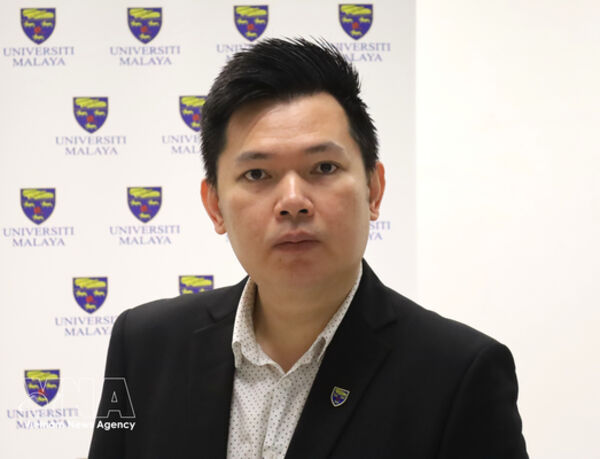
Collins Chong Yew Keat of the University of Malaya said the visit reflects growing convergence between the two countries as they seek greater strategic autonomy, supply chain resilience, energy security and geopolitical balance amid rising regional uncertainties.
According to Nikkei, Prime Minister Takaichi affirmed that Japan will continue to promote the Comprehensive Strategic Partnership with Vietnam and coordinate efforts to build a “stronger and more prosperous” region.
Commenting on Vietnam’s economic progress, PM Takaichi expressed admiration for the country’s rapid rise. Ten years ago, “Made in Vietnam” typically referred to clothing and textiles. Today, however, numerous global companies have established a presence in Vietnam, and many of the gadgets supporting youth culture are now manufactured here. Moreover, many of these electronic products incorporate cutting-edge Japanese technology in their core components.
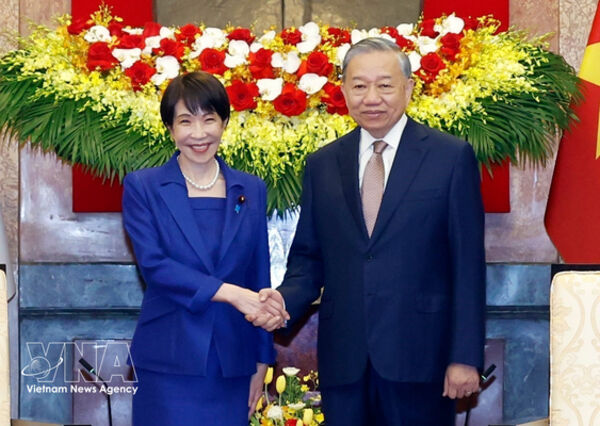
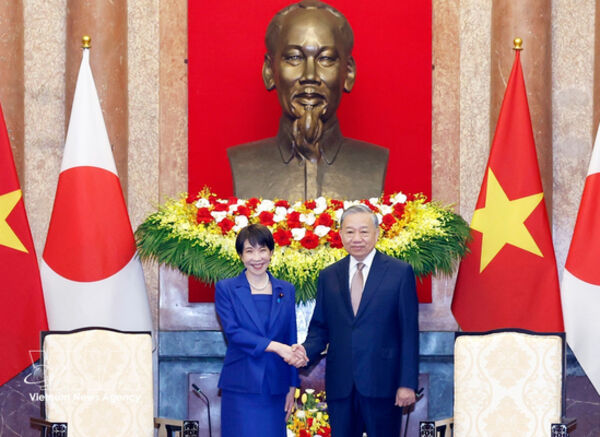
The Vietnamese leader highlighted the substantive and wide-ranging cooperation between the two sides, underpinned by high political trust, effective coordination and the establishment of multiple dialogue mechanisms across economic, diplomatic, security and defence fields.
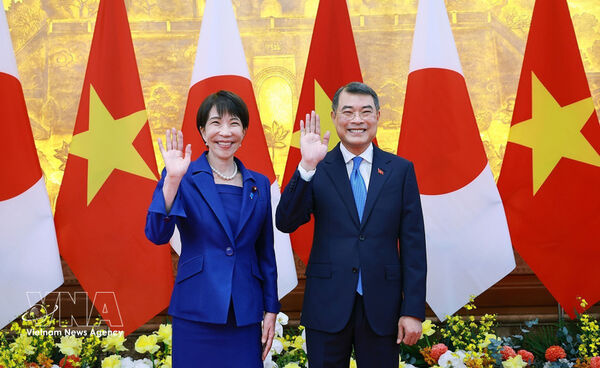
Noting the strong momentum in bilateral ties, built on solid political trust, extensive economic cooperation and growing people-to-people exchanges, PM Hung called for closer coordination to take the partnership to new heights and broaden collaboration across all sectors.
Vietnam, with the world’s sixth largest reserves of rare earths, is an indispensable partner in the field of critical minerals. Japan’s cooperation in Vietnam’s transition from a “raw material exporter” to a country with advanced processing and higher value added industries would benefit both sides.
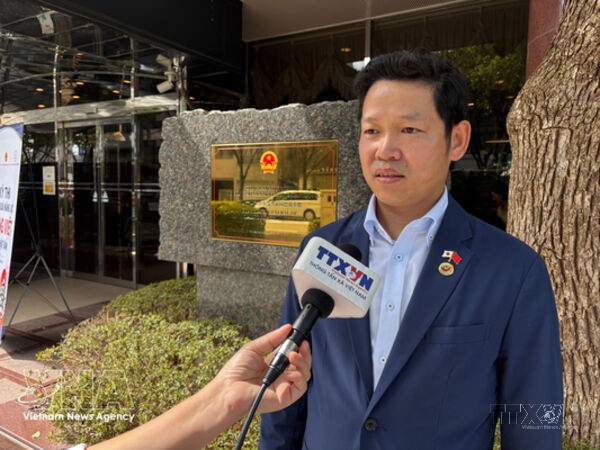
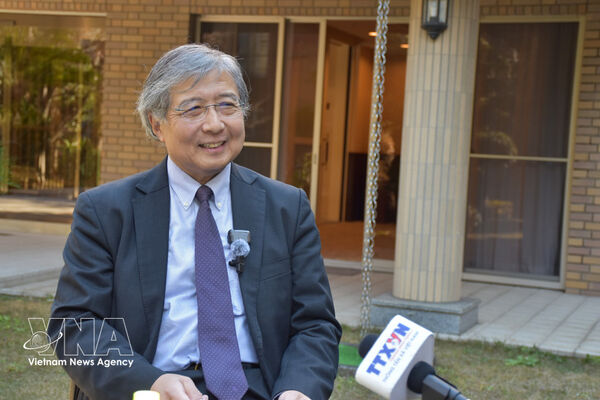
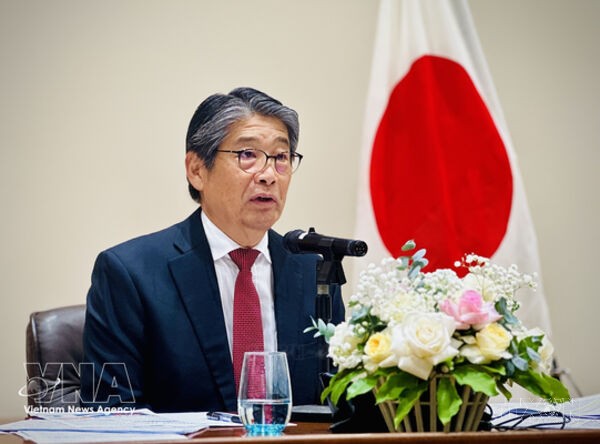
Vietnam attaches great importance to the increasingly close and effective Comprehensive Strategic Partnership with Japan, as well as the close and foundational ties between their Communist Parties, Ambassador Do Hung Viet has said.
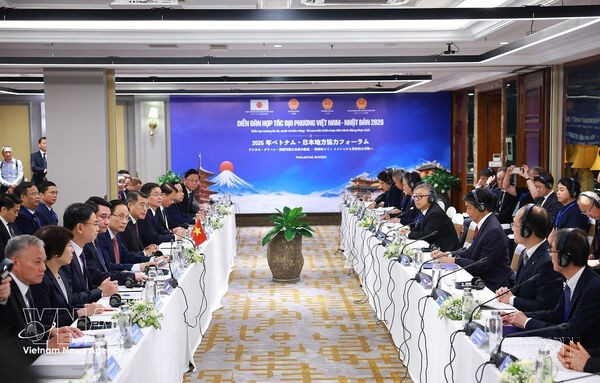
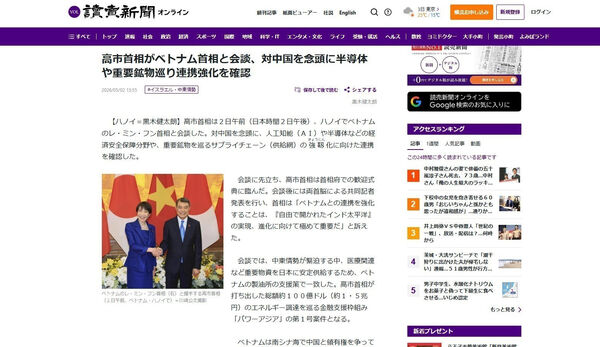
The upcoming official visit to Vietnam by Japanese Prime Minister Takaichi Sanae from May 1-3 aims to build trust between the two countries’ leaders, review the achievements of the Comprehensive Strategic Partnership, and confirm key directions for future cooperation.
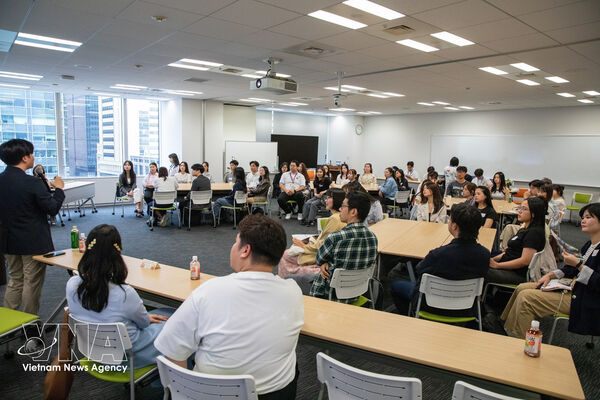
While the number of Vietnamese-origin children in Japan is surging, opportunities to actually speak Vietnamese in daily life are vanishing fast. Many children can understand the language but default to Japanese in response, gradually relegating their mother tongue to a secondary role, sometimes even treating it as a “second foreign language” inside their own houses.
The consolidation of the roles of Party General Secretary and State President is likely to enhance Vietnam’s international profile in high-level diplomatic engagements, according to Nikkei.
In the context of deepening global integration, maintaining the mother tongue helps younger generations overseas better understand their roots, fostering family bonds and a sense of connection to their homeland.
Parliamentary cooperation constitutes a meaningful component of the broader bilateral relationship between the two countries, according to Professor Toshiro Nishizawa of the University of Tokyo.
Japan–Vietnam Capital Fund, a Vietnam-focused investment fund co-managed by DBJ and SSI Asset Management (SSIAM), was set up to channel high-quality capital into Vietnam’s equity market, focusing on listed companies with strong governance, clear growth strategies and long-term investment potential.