Development efforts should properly recognise and leverage the role of science and technology in creating new economic models based on emerging resources.
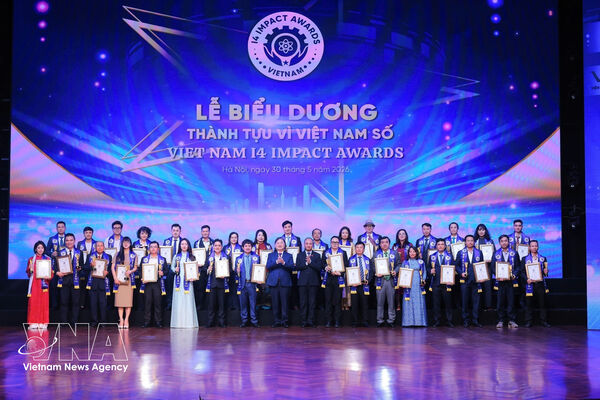
After four editions of the Top Industry 4.0, this year, the programme was officially renamed “Vietnam I4 Impact Awards”, which is not just a change in name but a shift in development thinking and core values.
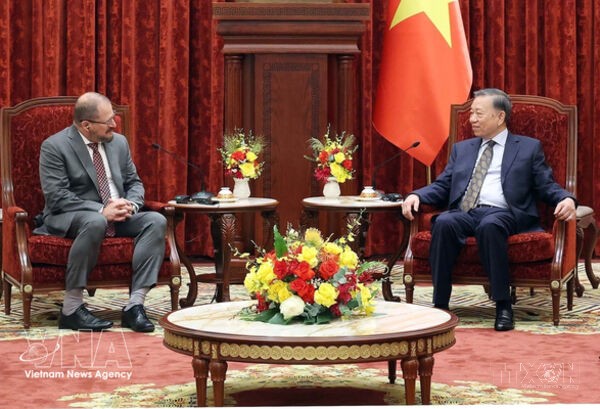
Many experts in Singapore expressed their hope that the General Secretary and President’s visit will pave the way for more substantive cooperation mechanisms between Vietnam and Singapore in high technology, innovation and human resources development.
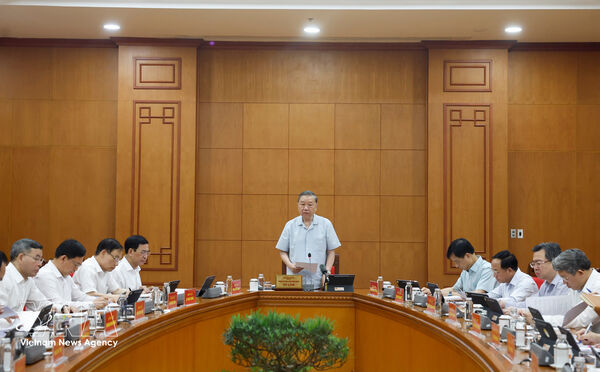
Party General Secretary and State President To Lam stressed that reform in basic science research must encompass awareness, institutional frameworks, investment mechanisms, and implementation methods. He described the issue as a strategic matter directly linked to Vietnam’s development model, national self-reliance and international standing in the 21st century.
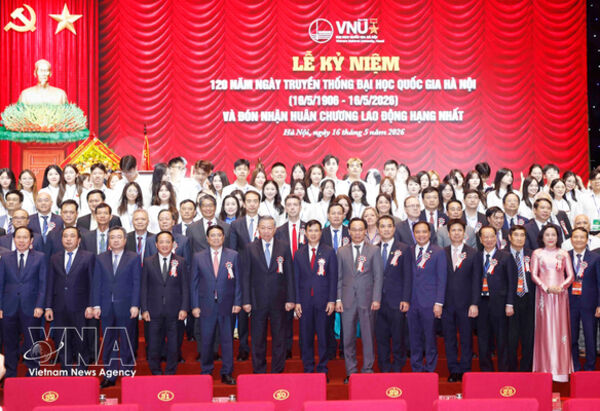
According to Duc, the core message in the top leader’s remarks was that VNU-Hanoi must become a truly elite institution that serves as a national academic pillar, a pioneer in science, technology and innovation, and a leading centre for training high-quality human resources.
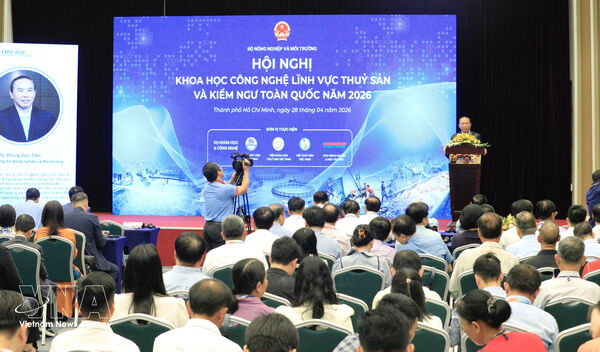
With clear strategies, market-driven demand and applied research, Vietnam is well-positioned to realise its goal of becoming a global hub for high-value aquatic product processing by 2045.
Under the plan, the Ministry of Science and Technology will take the lead, in coordination with relevant ministries and agencies, in directing, guiding, monitoring and inspecting the implementation of the agreement. The ministry will also prepare reports on the signing and implementation progress for submission to the Ministry of Foreign Affairs for consolidation and reporting to competent authorities as required.
The Ministry of Science and Technology has launched a Facebook page “Thong tin Khoa hoc va Cong nghe” (Information about Science and Technology), designed as a supplementary communication channel alongside its official fanpage.
Vietnam is aiming to become a high-tech economy with the STI pillars identified as the enablers, and the local conditions enable their rapid development, said an Israeli expert.
Assoc. Prof. Le Duc Anh from Tokyo University held that for fast and sustainable development, Vietnam should prioritise science – technology and innovation as the main driver of productivity, focusing on sectors with high spillover effects such as semiconductors, AI, data, new energy and materials, biomedical technology, automation – robotics, and cybersecurity.