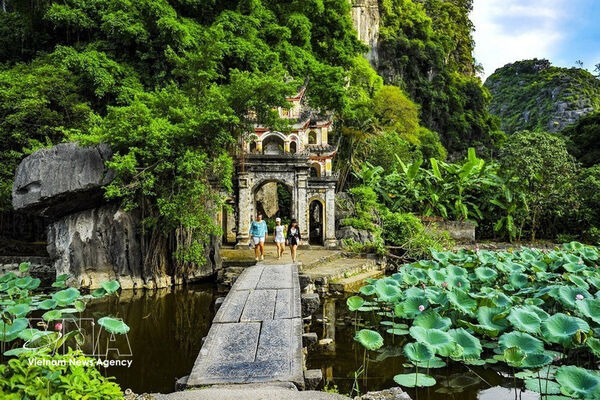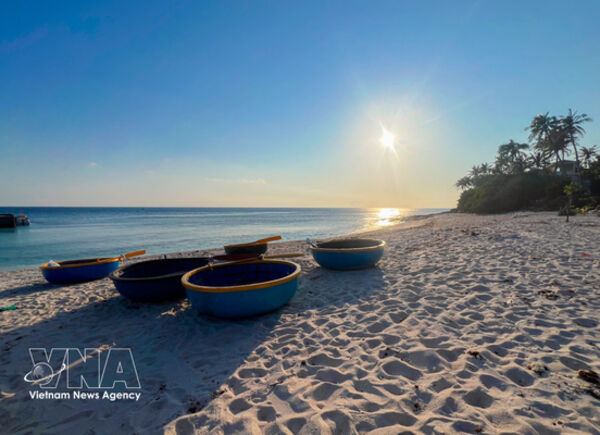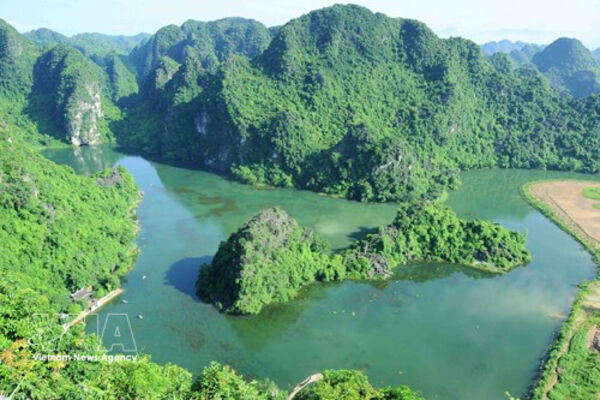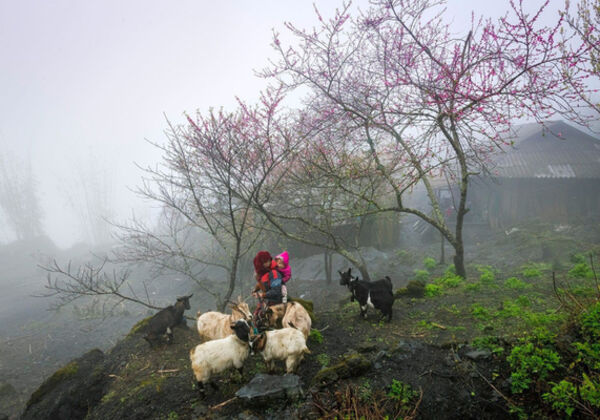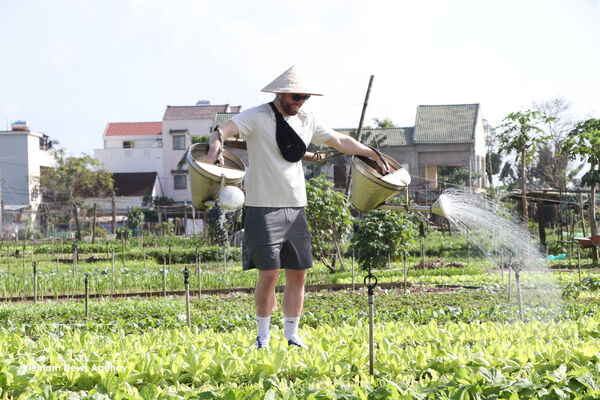
Vietnam’s tourism market is being reshaped as rising costs and cautious spending push travellers toward shorter, more flexible, and experience-led trips.
According to travel firms and online booking platforms, tourists are shifting away from conventional leisure holidays towards wellness-focused journeys, personalised experiences, and trips that strengthen connections with family and friends.
Australian website The Sydney Morning Herald on March 21 run an article titled “The Spirit of Vietnam bursts into life a long the Mekong” by travel writer Tim Richards, in which he expresses his enjoyment of experiencing a week-long journey along the Mekong River from Vietnam to Cambodia.
Many well-known tourism and resort projects are already operating effectively in Thang An commune, including Hoiana Resort & Golf, Vinpearl Resort & Golf and Bliss Hoi An Beach Resort. Nevertheless, significant coastal land resources remain available for investment and future development.
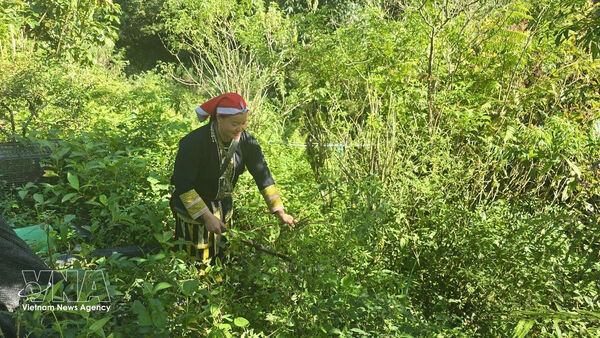
The trend of nature exploration tourism, particularly hiking in mountainous areas, is gaining momentum across Asia, especially among young people. In Vietnam, more young travellers are choosing short weekend trips to explore forests, mountains and local ecosystems.
Japan, Vietnam and Thailand were among the most searched destinations by French travellers, alongside well-established European favourites such as Italy and Spain.
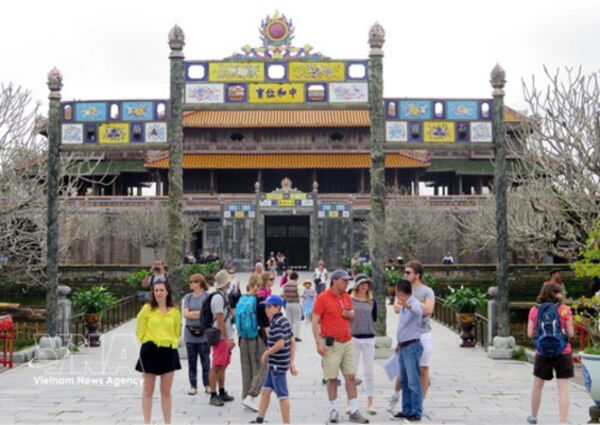
In February alone, the country welcomed more than 2.2 million foreign visitors, marking the third consecutive month that the number of international arrivals exceeded the two-million mark, following 2.45 million in January 2026 and 2.02 million in December 2025.
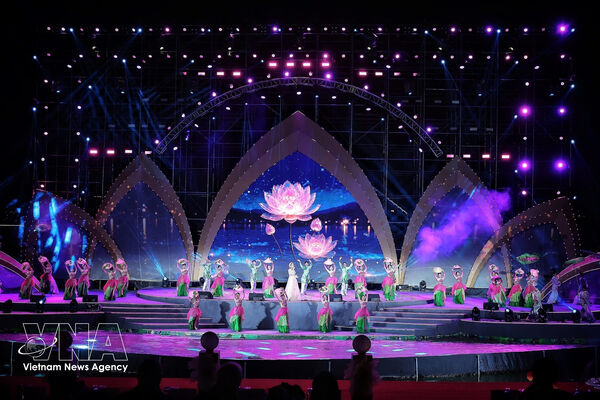
The festival serves as a platform to introduce the city’s potential and strengths, and demonstrate the strong vitality and endless creativity of a dynamic and compassionate metropolis.
During the nine-day Tet holiday alone, the province welcomed more than 1.1 million visitors, including an estimated 248,000 international arrivals, reaffirming its position as one of Vietnam’s leading tourism hubs.
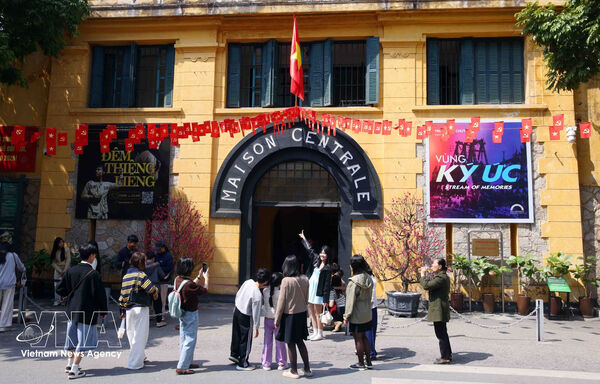
During the nine-day Lunar New Year (Tet) holiday, Vietnam's tourism sector served an estimated 14 million visitors, up 12% year-on-year, according to the Vietnam National Authority of Tourism (VNAT) under the Ministry of Culture, Sports and Tourism.
This strong growth underscores Hanoi’s robust tourism appeal from the start of the new year. The structure of international source markets continued to expand, with key markets, including China, the Republic of Korea (RoK), India, France, the UK, the US, Germany and the Philippines.
Prestigious fashion magazine Vogue has officially listed Con Dao Island, part of the great Ho Chi Minh City metropolitan area, among the world’s most ideal honeymoon destinations for 2026, underscoring the strong potential of the island district in capturing the high-end resort market.
In 2026, Quang Ninh aims to attract more than 22 million visitors, including 5.2 million international arrivals, with total tourism revenue projected to reach at least 65 trillion VND.
With cruise tourism identified as a strategic growth segment, Quang Ninh has refreshed its tourism products to appeal to high-spending travellers. Newly designed short tours include Ha Long city sightseeing, visits to the provincial Museum–Library, local culinary experiences, and cultural and spiritual attractions.
Market research reports indicate that Ho Chi Minh City’s tourism sector still has large room for growth if the special mechanisms under Resolution 98, Resolution 260 and Resolution 62/2025/NQ-HDND on incentives for attracting MICE visitors are effectively implemented. These policies are considered practical, helping enhance competitiveness, service quality and the city’s standing as a destination.
Hidden along the slopes of the majestic Nhiu Co San mountain range, the ancient Pavie stone road, also known as the Pavie road in Lai Chau province, stands as a silent historical witness of Vietnam’s Northwestern region.
According to What’s On, Phu Quoc has long been a familiar resort destination for travellers from the Republic of Korea, China, and Russia, while steadily attracting growing international interest year after year.
Vietnam’s tourism sector recorded strong growth in 2025, welcoming nearly 21.2 million international tourist arrivals. Asia remained the largest source market, accounting for 78.6% of arrivals, with Southeast Asian countries and major Asian markets continuing to post robust growth.
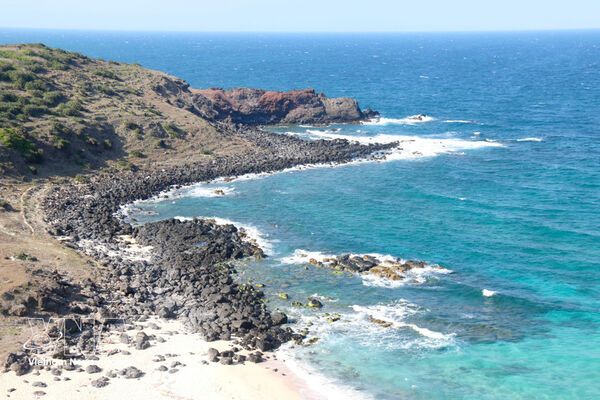
From the fast pace of life in major cities to pristine, alluring beaches framed by lush tropical forests, Vietnam offers travellers experiences that are not to be missed, writes Vogue.