Ninh Binh has emerged as one of Vietnam’s fastest-growing tourism destinations. In the first seven months this year, the locality welcomed an estimated 18.7 million visitors, up 23.34% year-on-year, including more than 16.7 million domestic and over 2 million international arrivals.
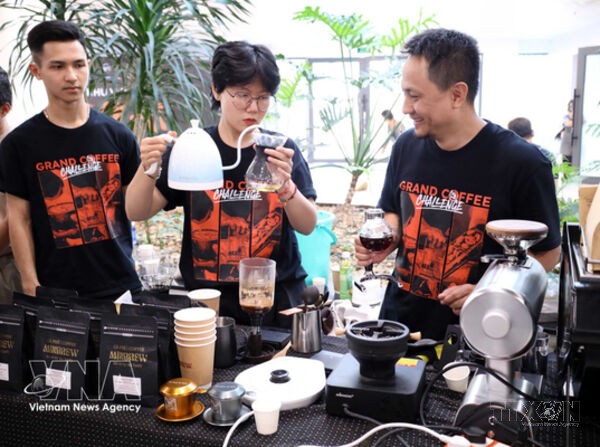
Businesses and coffee artisans in Da Nang city are reimagining the central region's signature specialties through creative coffee beverages, offering visitors distinctive flavours while adding value to OCOP (One Commune One Product) items and strengthening links between agriculture, culture, tourism and commerce.
As localities move beyond resource-based tourism towards value-driven cultural development, they are creating distinctive destination brands while reinforcing Vietnam's position as a culturally rich and compelling destination on the global tourism map.
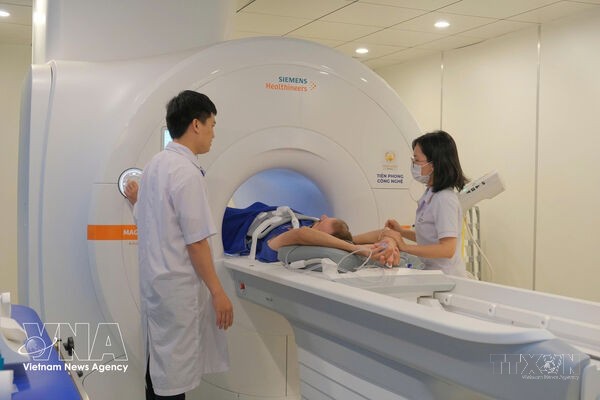
The draft strategy aims to position Vietnam as a trusted healthcare destination in Southeast Asia by 2030 and eventually among Asia's leading medical tourism hubs. The plan marks a shift from viewing medical tourism as an untapped opportunity to making it a national development priority.
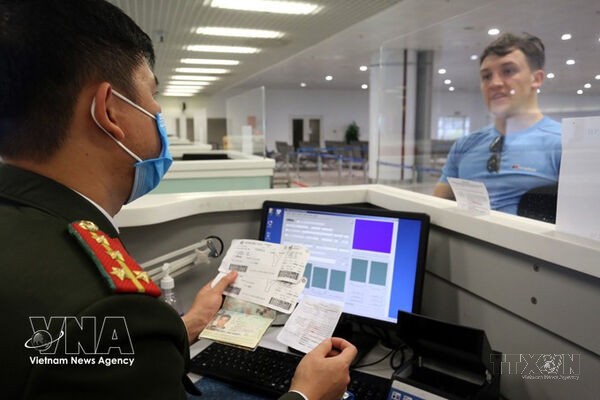
The restored Kunming–Nha Trang route is expected to cater to growing travel demand and facilitate tourism, trade and cultural exchanges between Vietnam and China.
Home to one of Vietnam's richest biodiversity reserves, the Bach Ma National Park is stepping up efforts to transform its unique natural assets into sustainable tourism products while maintaining long-term conservation goals.
Vietnam's appeal lies not in a single attraction but in the seamless combination of authentic experiences rooted in local culture. From colourful highland markets and traditional festivals to centuries-old craft villages, all remain an integral part of everyday life.
Vietnam’s tourism performance has been widely regarded as a bright spot at a time when the global tourism industry continues to face significant challenges, including geopolitical tensions, armed conflicts in several regions, slowing global economic growth, rising oil prices and higher travel costs.
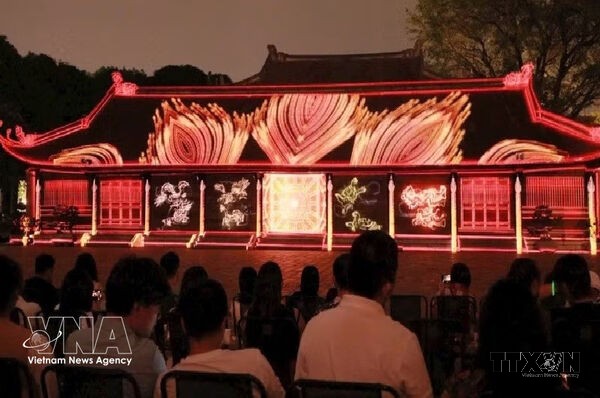
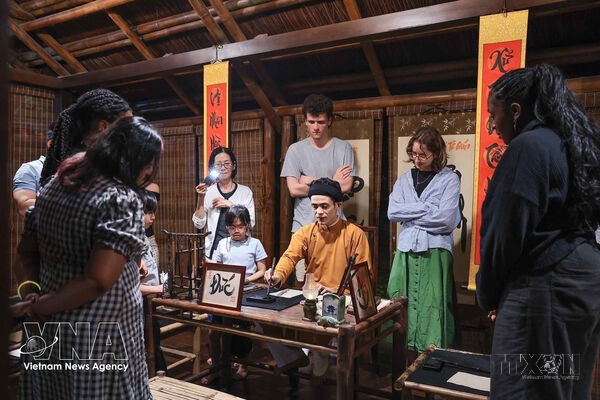
The festival is part of Hanoi's strategy to boost its cultural industries by transforming cultural heritage into a driver of socio-economic development while preserving and promoting the city's traditional cultural values.
According to online travel platform Agoda, searches for accommodation in Vietnam by Chinese travellers surged 164% year-on-year in the first five months of 2026, the fastest growth among international source markets.
The publication said Hanoi often leaves visitors with an immediate impression of energy and vitality, marked by its busy streets and constant movement. Beneath the bustling urban rhythm, however, lies a city rich in history and culture, featuring iconic landmarks such as the Temple of Literature, Hoan Kiem Lake, the Hanoi Opera House, the Ho Chi Minh Mausoleum and the One Pillar Pagoda.
Among the province’s success stories is Ta Phin commune, one of Lao Cai’s earliest community-based tourism destinations and a locality renowned for its diverse traditional occupations that provide stable and sustainable livelihoods for ethnic minority communities.
Under this blueprint, tourism is designated as a high-priority sector to enhance the use of digital technology to improve management capabilities, service quality, and the visitor experience.
In 2026, Vietnam’s tourism industry aims to welcome approximately 25 million international arrivals, serve 150 million domestic travellers and generate total tourism revenue of around 1.125 quadrillion VND (approximately 43 billion USD), contributing significantly to the Government’s double-digit economic growth ambitions.
Enriching on-site visitor experiences and redesigning itineraries to create more distinctive tour products are delivering what industry observers describe as “dual benefits” – responding to growing demand for experiential and sustainable travel while reducing transportation costs and creating fresh appeal for the summer tourism season.
The resolution encourages a wide range of cultural, artistic and tourism activities, including performances, exhibitions, film screenings, presentations of traditional and intangible cultural heritage, and other programmes held in public spaces, pedestrian streets, heritage sites, theatres, cinemas and cultural venues.
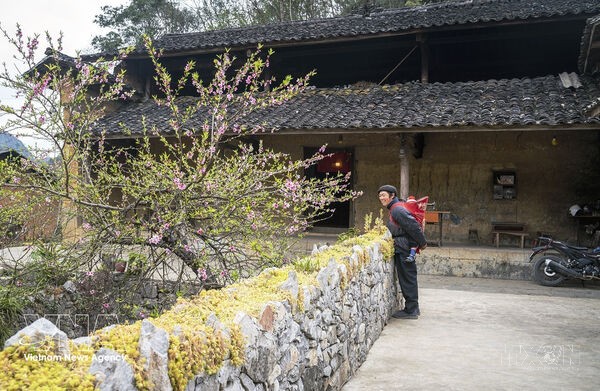
Far from the bustle of mass tourism, the area captivates visitors with its pristine beauty, unhurried pace of life and legends passed down through generations.
Under a newly issued plan by the Ministry of Culture, Sports and Tourism, the story bank will serve as a central repository of content to be disseminated across multimedia platforms, helping bring Vietnam’s culture, people and development achievements to audiences worldwide.