Vietnam, China, India, Indonesia, Malaysia, Thailand, the Philippines, Türkiye, Mexico and Brazil are among the 10 largest non-high-income T&T economies by direct T&T GDP.
Vietnam welcomed about 12.3 million international visitors in the first six months of 2026, up nearly 15% year-on-year, with China and the Republic of Korea remaining the two largest source markets. However, experts noted that growth in visitor numbers should go hand in hand with improvements in spending, length of stay, satisfaction and environmental and cultural sustainability.
Ninh Binh has emerged as one of Vietnam’s fastest-growing tourism destinations. In the first seven months this year, the locality welcomed an estimated 18.7 million visitors, up 23.34% year-on-year, including more than 16.7 million domestic and over 2 million international arrivals.
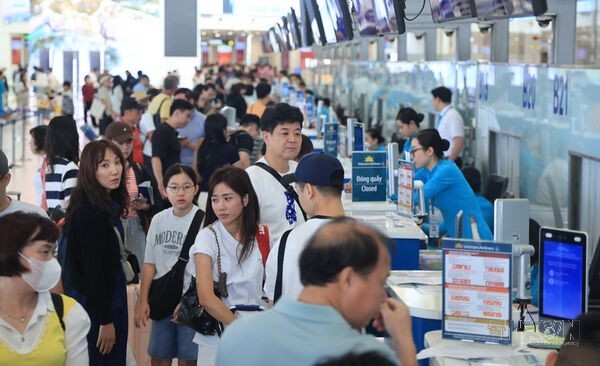
According to the Civil Aviation Authority of Vietnam (CAAV), more than 11 million passengers passed through airports in July, up over 3% from June. International passengers totalled nearly 4 million, up 2%, while domestic travellers exceeded 7 million, an increase of more than 4%.
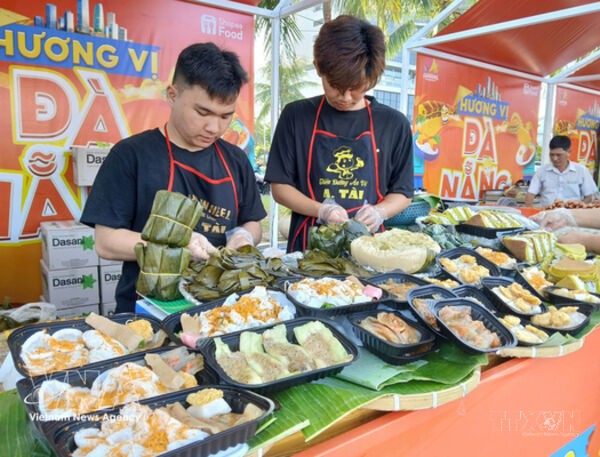
As late summer approaches, the online travel platform Agoda has unveiled its list of the destinations most searched by Vietnamese travellers. The list spans Vietnam's popular beach cities and Asia's leading urban hubs, with the signature local dishes that make each destination a culinary attraction in its own right.
Quang Ninh is looking to build partnerships to steer more Russian visitors to Ha Long Bay and other local attractions. Beyond the UNESCO World Heritage Site of Ha Long Bay, the province holds diverse advantages in marine tourism, cultural attractions, luxury resorts and wellness services.
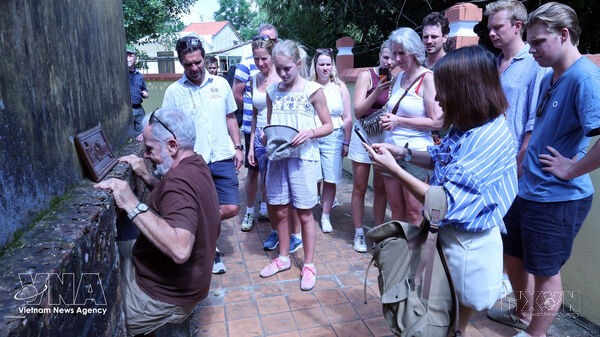
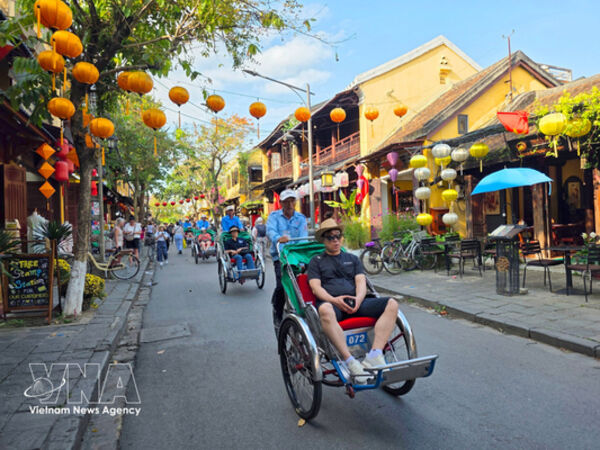
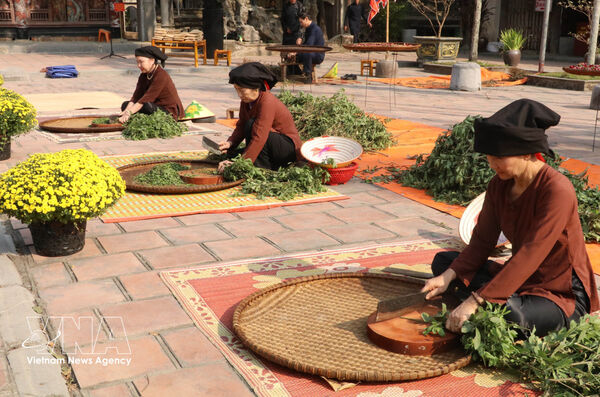
Vietnam's appeal lies not in a single attraction but in the seamless combination of authentic experiences rooted in local culture. From colourful highland markets and traditional festivals to centuries-old craft villages, all remain an integral part of everyday life.
With strong growth momentum, strategic investment in quality tourism, upgraded infrastructure and increasingly diversified source markets, Vietnam is steadily reinforcing its position as one of Southeast Asia’s most dynamic and promising tourism destinations.
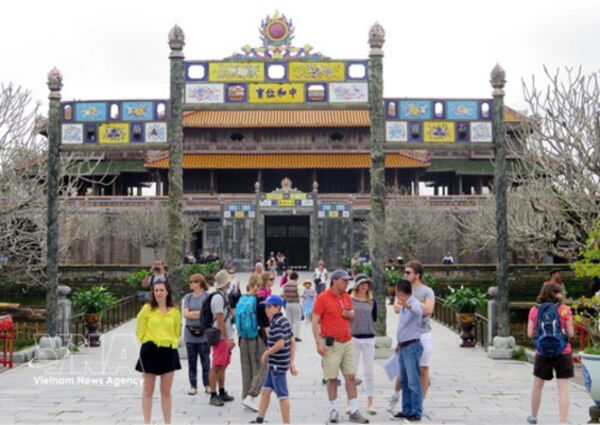
The publication said Hanoi often leaves visitors with an immediate impression of energy and vitality, marked by its busy streets and constant movement. Beneath the bustling urban rhythm, however, lies a city rich in history and culture, featuring iconic landmarks such as the Temple of Literature, Hoan Kiem Lake, the Hanoi Opera House, the Ho Chi Minh Mausoleum and the One Pillar Pagoda.
According to the digital travel platform Agoda, travel searches by Vietnamese users show a clear shift toward lesser-known destinations offering more personalised and immersive experiences, spanning coastal, mountainous and cultural tourism.
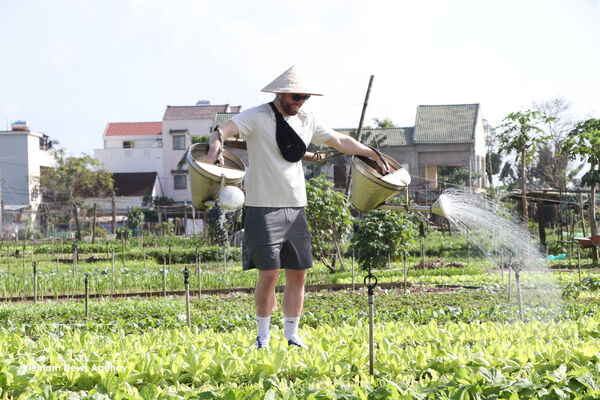
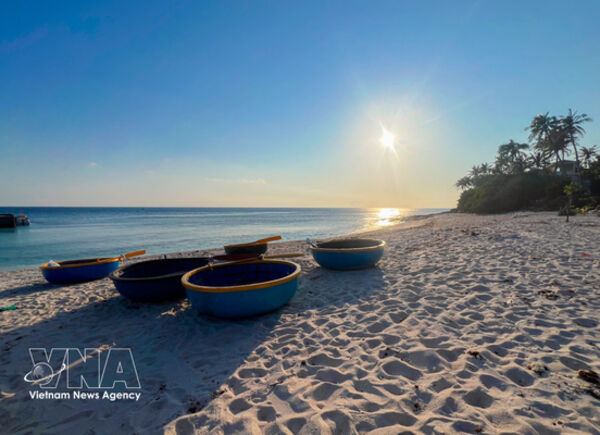
Rather than rushing to “check in” at as many attractions as possible, slow travel allows visitors to immerse themselves in local life. Travellers may spend time wandering through a highland market, learning to cook a traditional dish, cycling around a coastal fishing village, or simply enjoying the tranquil rhythm of life in the countryside.