Vietnam’s two scenic rail journeys named among world’s best
The Vietnam National Authority of Tourism (VNAT) said the US travel magazine ranked the heritage train journey between Hue and Da Nang at 10th and The Vietage by Anantara at 14th.
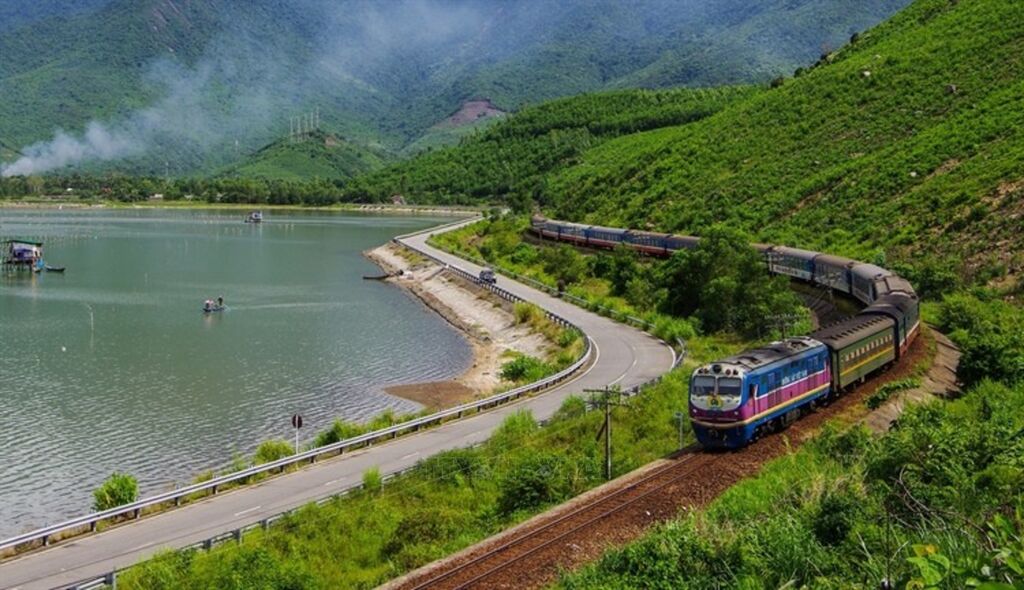
The Hue-Da Nang heritage train passes through Lap An Lagoon. (Photo: Vietnam Railways Corporation)

Hanoi (VNA) – Vietnam has two representatives in Condé Nast Traveler’s list of the 20 best train trips in the world for 2026, highlighting the growing appeal of railway tourism in the country.

The Vietnam National Authority of Tourism (VNAT) said the US travel magazine ranked the heritage train journey between Hue and Da Nang at 10th and The Vietage by Anantara at 14th.

The rankings are part of the magazine’s 39th annual Readers’ Choice Awards, which recognise memorable rail journeys based on readers’ votes.

Condé Nast Traveler noted that although train travel can take longer than flying, it allows passengers to slow down and enjoy natural landscapes, rice fields, villages and peaceful countryside along the way.

The Hue–Da Nang heritage train journey, ranked 10th, offers passengers a scenic trip of about three hours through central Vietnam. One of its highlights is Hai Van Pass, renowned for its spectacular mountain and coastal scenery.

Travelling between the two cities, passengers can admire the dramatic landscape where Truong Son mountain range meets the vast sea. Da Nang is known for its beaches while Hue, the former imperial capital, is celebrated for its rich cultural heritage.

Condé Nast Traveler described the journey as an ideal choice for visitors seeking to explore Vietnam beyond its well-known coastal and island destinations. In addition to quiet carriages for relaxation, the train features two community carriages hosting traditional artistic performances, bringing local culture closer to passengers.

Meanwhile, The Vietage by Anantara, ranked 14th, offers a luxury rail experience connecting Da Nang with Quy Nhon and Nha Trang along the central coast. The journey showcases Vietnam’s characteristic landscapes, including rice fields, rural villages and coastal mountain ranges.

According to the magazine, the approximately six-hour journey between Da Nang and Quy Nhon includes meals combining Vietnamese and French culinary traditions. On the Quy Nhon–Nha Trang section, passengers can enjoy afternoon tea featuring local specialities, Vietnamese cheese and premium teas.

The combination of scenic views, high-quality services and distinctive cuisine has made The Vietage by Anantara an attractive option for travellers seeking a more luxurious way to discover central Vietnam.

The VNAT said the inclusion of the two journeys in the international magazine’s rankings helps promote the country’s people, landscapes and tourism offerings to global travellers.

Railway tourism is opening up new ways for visitors to experience central Vietnam while diversifying the country’s tourism products for international markets.

Other journeys featured on the list include Switzerland’s Jungfrau Railway, Central Asia’s Silk Road train journeys, Australia’s Indian Ocean rail experience, the Canyon Spirit in the US and scenic routes across Canada./.
Related News

Digital heritage opens new avenues for cultural preservation, public access

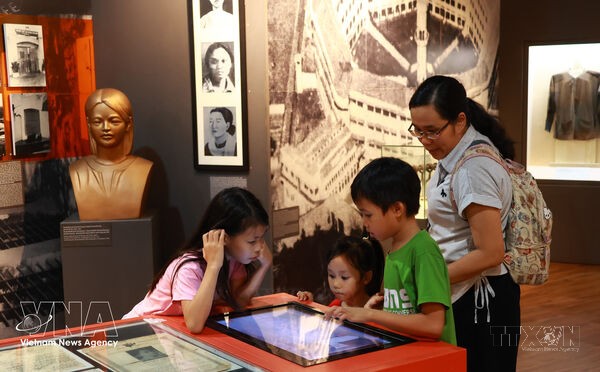
The Southern Women’s Museum has so far digitised 1,113 artefacts, but only 113 are currently accessible to the public. According to deputy director of the museum Pham Thi Dieu, thousands of other artefacts are awaiting an exhibition system under an expansion project. The museum hopes to complete the system in 2027, enabling online visitors to explore the digitised collections.

See Also

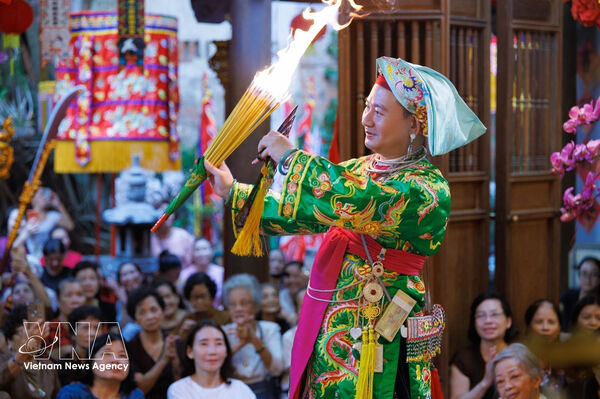
Vietnamese Mother Goddess worship marks 10 years on UNESCO heritage list

2026 marks a decade since the practice of Mother Goddess worship in Vietnam was inscribed on UNESCO’s Representative List of the Intangible Cultural Heritage of Humanity. Its cultural values continue to be upheld through traditional ceremonies, ritual singing (hat van), elaborate costumes and ritual spirit mediumship performances (hau dong).

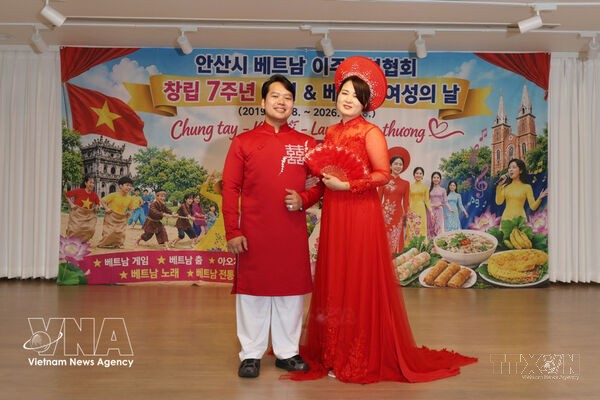
Vietnamese culture shines at festival in RoK

A celebration marking the seventh founding anniversary of the Vietnamese Migrant Women’s Association (VMWA) in Ansan, Gyeonggi province, the Republic of Korea, took place on October 18, featuring cultural exchanges and activities to mark Vietnamese Women’s Day (October 20).

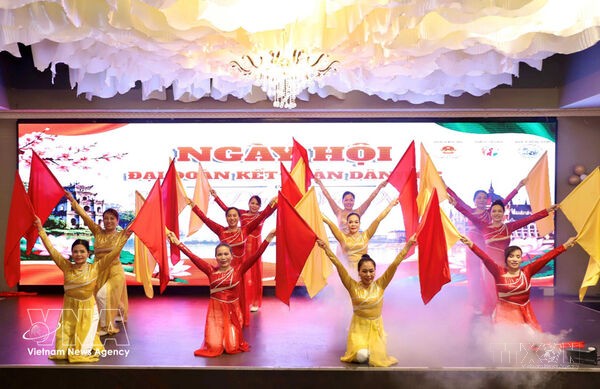
Vietnamese in Hungary stage first Great National Unity Festival

The event also served as a showcase for Vietnamese culture, customs, cuisine and traditions, in step with Vietnamese Culture Day. It encouraged Vietnamese of all generations to hold onto their cultural identity while spreading the image of Vietnam and its people among Hungarians, adding to people-to-people exchanges and mutual understanding between the two countries.

Sydney hosts first Vietnamese Ao dai street parade

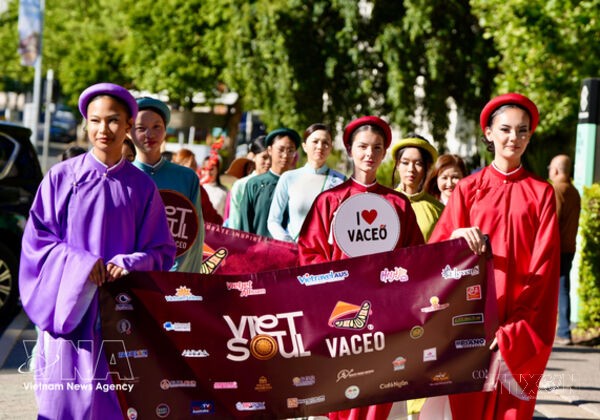
Colourful traditional Vietnamese Ao dai (traditional long dresses) brought a festive touch to the streets of Bankstown, Sydney, on October 17, as more than 20 Vietnamese people from different generations took part in an Ao dai street parade held as part of the Viet Soul 3 Festival.

Mong traditional costumes preserve cultural heritage in Dien Bien

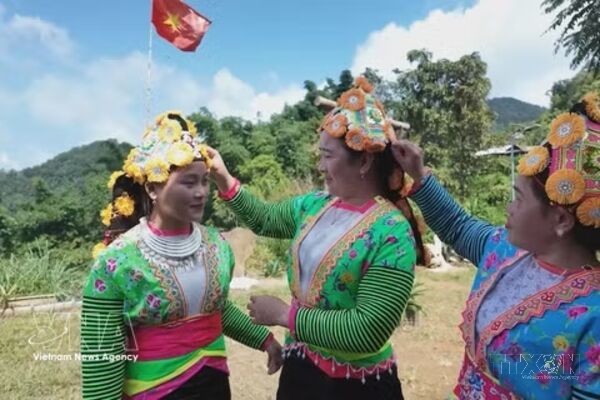
Mong traditional costumes in the northwestern province of Dien Bien are distinguished by vibrant colours, intricate embroidery and flared skirts. Handmade and passed down through generations, they reflect the craftsmanship of Mong women and the community’s rich cultural heritage.

Dong Thap’s 200-year-old pagoda showcases unique East-West architecture

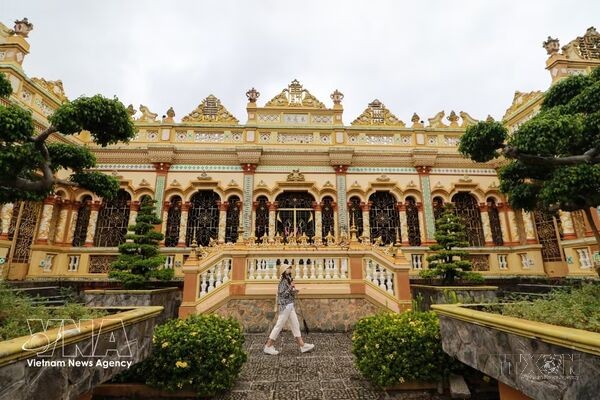
Located in My Phong ward in the Mekong Delta province of Dong Thap, Vinh Trang Pagoda is a national historical and cultural relic that draws both domestic and international visitors. Built in the early 19th century, the pagoda features a distinctive blend of Eastern and Western architectural styles, making it a unique cultural and architectural landmark.

Muong Lo Festival 2026 opens with grand Xoe dance performance

Chairman of the Lao Cai provincial People’s Committee Nguyen Tuan Anh said the province regards culture as the spiritual foundation, an endogenous resource and a driving force for sustainable development, with people at the centre of cultural creation, preservation and enjoyment.