 |
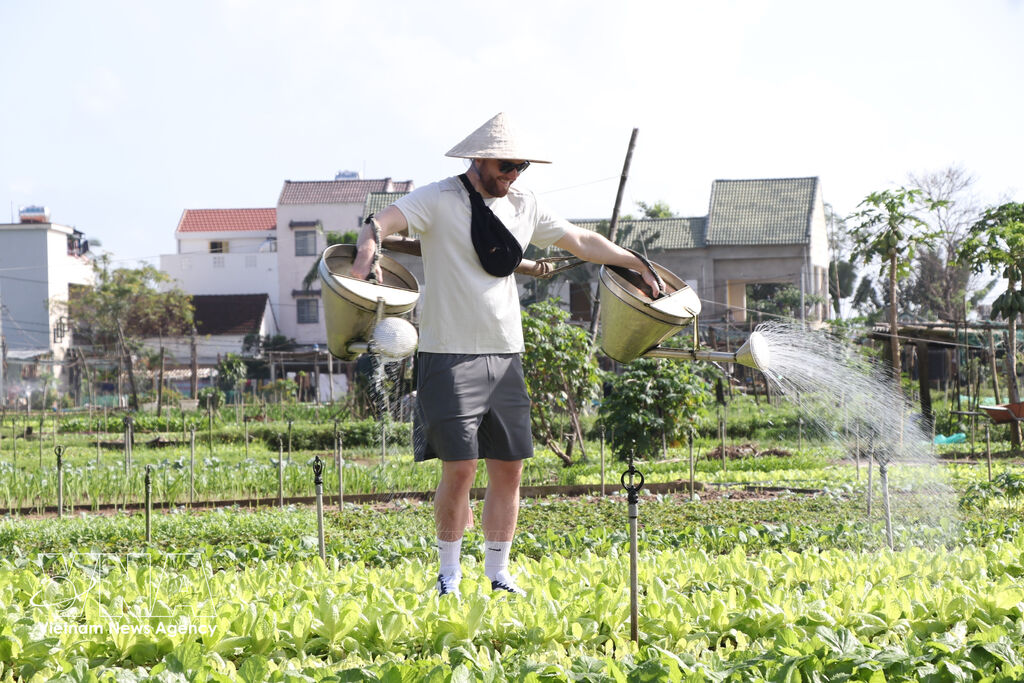
| A visitor enjoys hands-on farming activities, including preparing the soil, planting vegetables and watering crops, in Tra Que Vegetable Village in Hoi An Tay ward, Da Nang city. (Photo: VNA) |
Hanoi (VNA) – Vietnam is winning over international travellers with a rich blend of culture, nature, cuisine and modern experiences that engage all the senses, earning growing global recognition as one of Asia's leading travel destinations.
Vietnam's appeal lies not in a single attraction but in the seamless combination of authentic experiences rooted in local culture. From colourful highland markets and traditional festivals to centuries-old craft villages, all remain an integral part of everyday life.
A land that touches hearts
The way the world views Vietnam has changed remarkably. Once considered a destination mainly for adventurous travellers, the country has emerged as a recognised brand on the global tourism map thanks to authentic visitor experiences, prestigious international awards and a distinctive cultural identity.
According to the Vietnam National Authority of Tourism (VNAT)'s tourism information centre, impressions shared by international travellers and tourism experts offer one of the most vivid measures of Vietnam's appeal. They arrive with different expectations, but most leave with the same lasting impression – a desire to return.
Chloe Harper, senior editor at National Geographic Traveller, described Vietnam as a journey that awakens every sense.
It is more than just a holiday – it is a journey that engages every sense. From the aroma of a steaming bowl of pho in the early morning and the vibrant sounds of the streets to the breathtaking sight of golden terraced rice fields at harvest time, every moment leaves an unforgettable memory, she said.
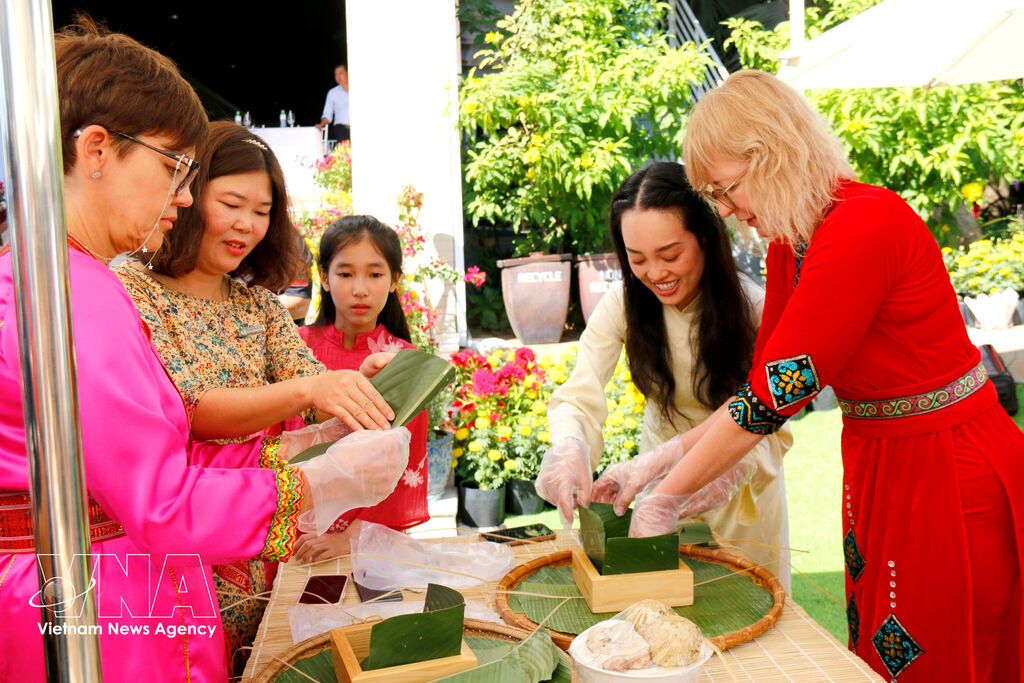 |
| International visitors, dressed in traditional costumes of Vietnam's ethnic groups, enthusiastically try their hand at making banh chung. (Photo: VNA) |
For many international visitors, Vietnam is more than a place to visit. It is a destination that awakens the senses, inviting travellers to experience, embrace and fall in love with the country.
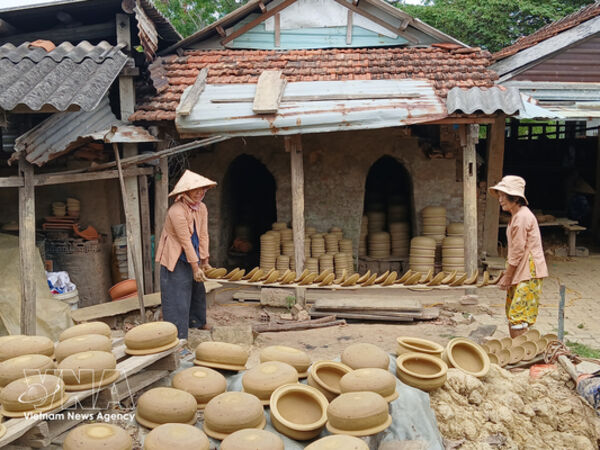
Vietnam's greatest strength is the diversity of experiences it offers. Visitors can immerse themselves in living traditions, discover local customs and enjoy a culinary culture in which every dish reflects the history and character of its region.
From humble street-side pho stalls and Hanoi's famous bun cha eateries to egg coffee and Michelin-starred restaurants, Vietnam's cuisine showcases both creativity and authenticity.
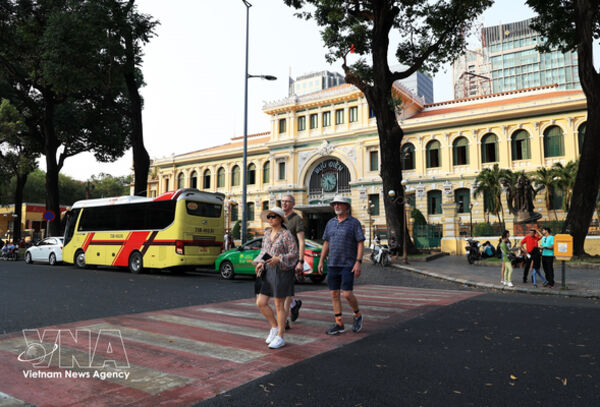
The country also offers a harmonious blend of heritage and modernity. Travellers can wander through Hanoi's thousand-year-old Old Quarter, or experience the vibrant urban energy of Ho Chi Minh City. Those seeking tranquillity can explore remote ethnic villages or unwind at world-class resorts.
Its varied landscapes further enrich the experience. From the seasonal beauty of Sa Pa and the spectacular limestone seascape of Ha Long Bay to the iconic terraced fields of Mu Cang Chai, Vietnam offers natural scenery that changes dramatically from region to region.
Frances Nguyen, a market analyst at the UN Tourism, said Vietnam has mastered the balance between tradition and modernity.
Visitors can spend the morning walking through a 1,000-year-old quarter and the afternoon relaxing at an international-standard resort. That contrast feels completely natural and deeply captivating, the expert said.
Global recognition
Vietnam's growing reputation is also reflected in international accolades. Widely regarded as the "Oscars of tourism", the World Travel Awards have repeatedly honoured Vietnam with major titles.
The country was named Asia's Leading Destination seven times, in 2018, 2019 and every year from 2021 to 2025, highlighting its sustained appeal to global travellers. It has also received the title of World's Leading Heritage Destination four times, recognising the outstanding value of its cultural and natural heritage nationwide.
Vietnam has also been honoured as Asia's Leading Culinary Destination, helping reinforce its reputation as one of the region's top food tourism destinations.
According to the VNAT, destinations including Hanoi, Hoi An, Phu Quoc and Ha Long have also earned praise from leading international travel publications.
Travel+Leisure readers have continually ranked Vietnam among the world's best destinations while Condé Nast Traveller, The New York Times, Lonely Planet and Rough Guides have all highlighted the country's landscapes, culture and travel experiences.
The VNAT said the harmonious combination of nature, culture, people and diverse experiences has given Vietnam a distinctive identity, encouraging more international visitors to return not only to discover new places but also to relive the unforgettable memories of their journey in the Southeast Asian nation./.