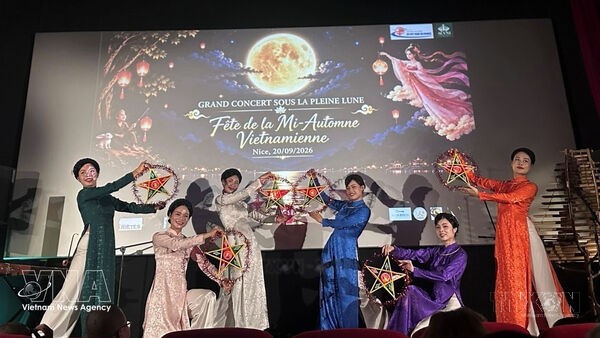
Culture is now regarded as a spiritual foundation, an internal strength, a resource and a key driver of sustainable development, not merely a field to be preserved and upheld.
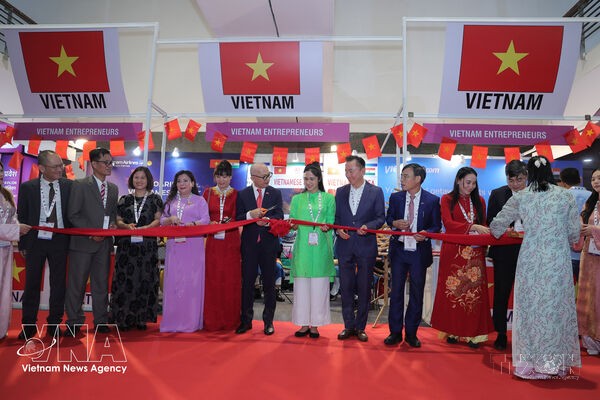
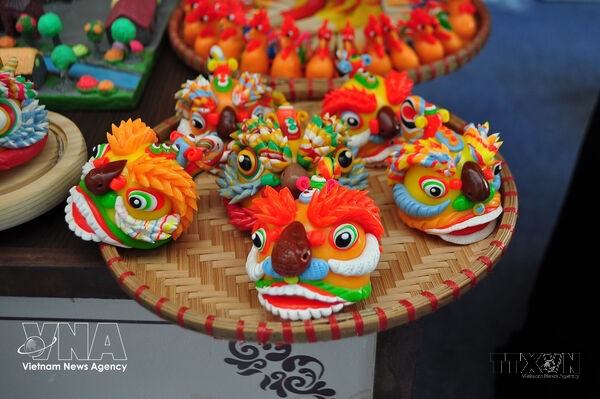
Vietnam has brought its distinctive lacquerware and to he (toy figurines) to BRICS Bazaar 2026 in India, which brings together outstanding handicrafts from 18 BRICS member and partner countries.
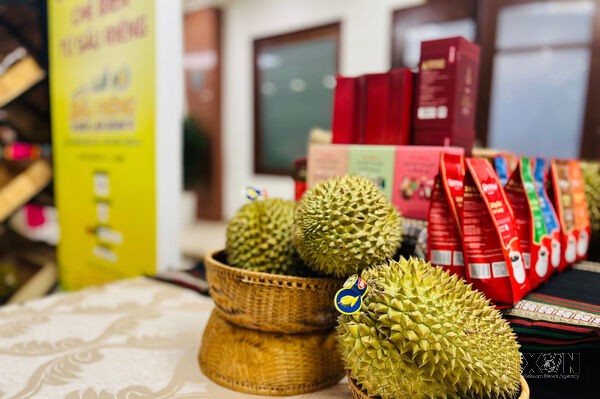
Durian has morphed from a high-value crop into a strategic Vietnamese export. But as output climbs and importing markets tighten rules on quality, food safety and traceability, the industry must pivot from volume growth to sustainable value chains, better quality and diversified markets.
Resolution No. 23 reflects a shift in Vietnam’s approach to overseas Vietnamese, increasingly recognising them as an important resource for national development. It also demonstrates Vietnam’s continued commitment to openness and deeper international engagement.
The resolution shifts the Party's approach from "pooling, gathering and caring for" OV to "accompanying them and creating mechanisms", opening the door to deeper engagement in national development.
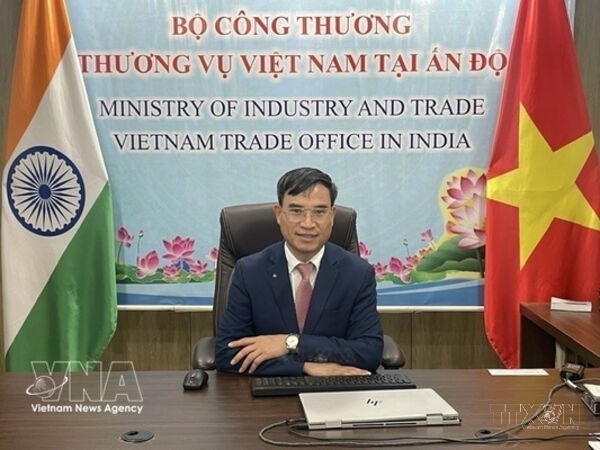
Vietnam could deepen cooperation with BRICS through four main areas: expanding trade and market access; attracting and promoting two-way investment; engaging deeper in global supply chains and logistics networks; and advancing cooperation in science-technology, innovation and digital transformation.
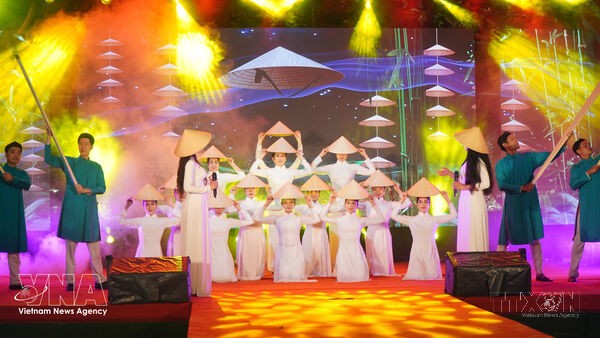
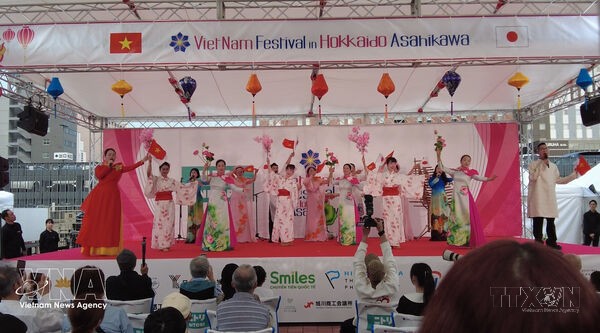
The first Vietnamese Cultural Festival in Asahikawa, Hokkaido, has attracted a large number of Japanese residents and members of the Vietnamese community, offering a vibrant showcase of Vietnamese culture and promoting people-to-people exchanges between the two countries.
On the occasion of the Day honouring Vietnamese language, Nguyen Thi Lien Huong urged families and young Vietnamese abroad to make language preservation part of everyday life, with parents and grandparents maintaining the habit of speaking Vietnamese with children.
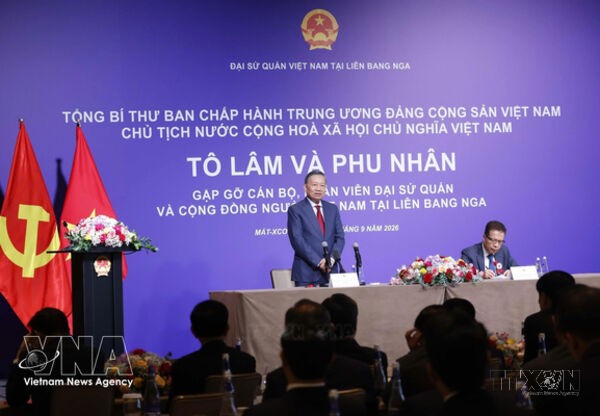
In particular, the Politburo recently issued Resolution No. 23-NQ/TW on overseas Vietnamese affairs, General Secretary and President To Lam, emphasising that in the time ahead, the Party and State will continue to improve institutions, and adopt comprehensive, open and breakthrough mechanisms and policies to connect with, attract and effectively mobilise the resources of overseas Vietnamese, particularly intellectuals, experts, entrepreneurs, scientists and young people.
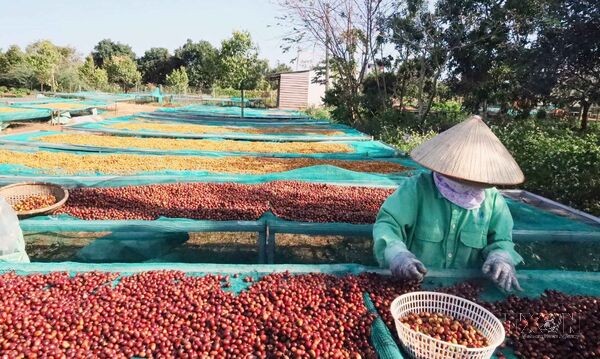
According to the Vietnam Coffee Cocoa Association (Vicofa), Vietnam exported nearly 1.7 million tonnes of coffee in the first eight months, earning more than 6 billion USD. Export volume rose by over 10% year on year, while export value fell by 11.2% due to lower export prices.
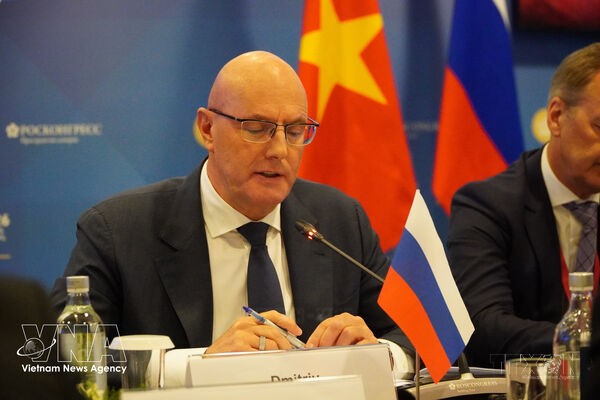
General Secretary of the Communist Party of Vietnam (CPV) Central Committee and President To Lam's Russia visit is an event of particular significance. It is not merely a continuation of the tradition of regular high-level contacts, but also an opportunity to inject fresh momentum into bilateral cooperation.
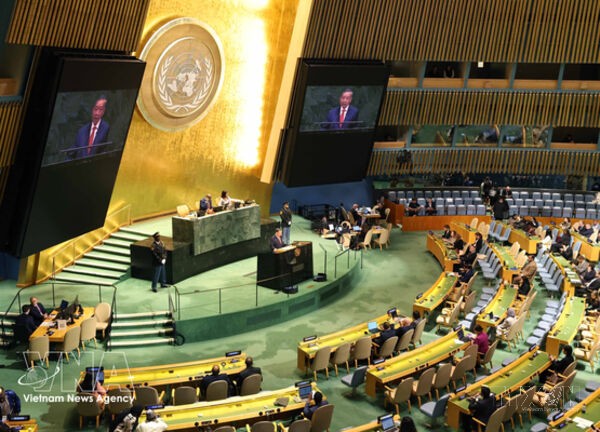
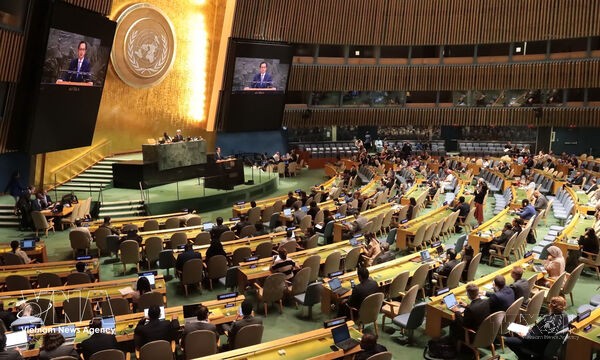
The resolution designates 2027–2036 as the International Decade of Culture for Sustainable Development, providing a long-term framework for countries and the international community to step up action and further integrate culture into development policies.
The visit signals that both Vietnam and Russia attach great importance to their friendly cooperation, reflecting the aspirations and political will of their leaders and people to inherit and carry forward their long-standing traditional friendship, while sharing a strong determination to consolidate and deepen their comprehensive strategic partnership.
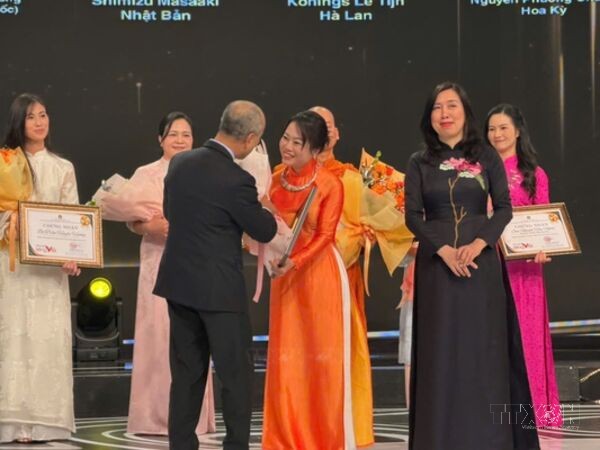
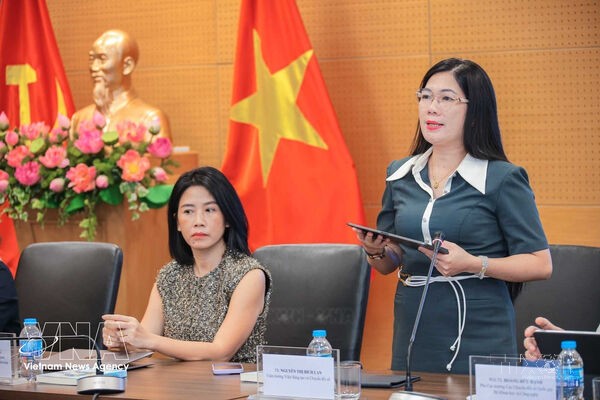
Director of the institute Dr. Nguyen Thi Bich Lan said the awards arrive as science, technology, innovation and digital transformation reshape how cultural values are preserved, created and spread.
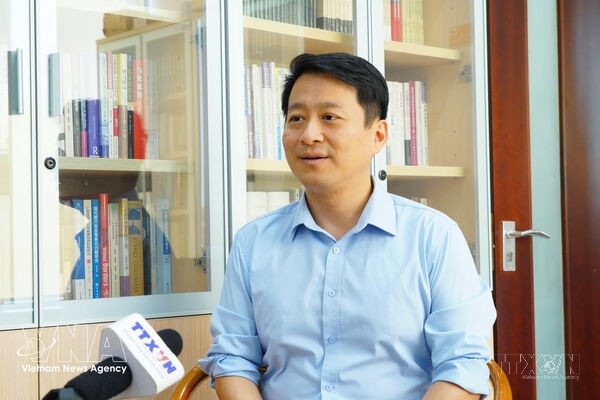
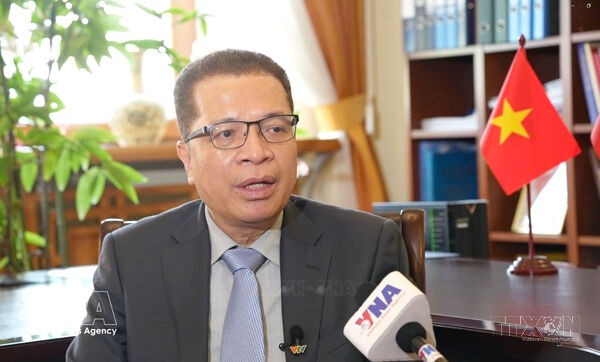
The first is to elevate awareness of the position and role of the Vietnamese community abroad, he said. The resolution reaffirms that overseas Vietnamese are an inseparable part of the Vietnamese nation, while identifying them as one of the country’s important strategic resources, a bridge connecting Vietnam with the world, and partners directly contributing to national construction, development and defence.
General Secretary of the Communist Party of Vietnam Central Committee and President To Lam has stressed that the value of the Party's resolutions and directives must be measured by their ability to address practical problems and bring about changes that people can see and feel.
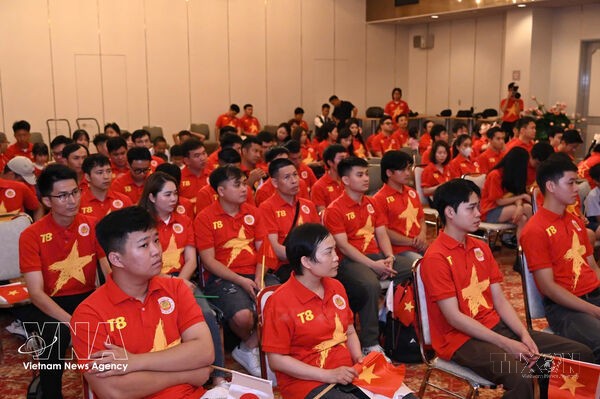
Beyond providing a platform for networking and cultural exchange, the camp offers a multidimensional academic and cultural space that strengthens community bonds, nurtures national pride and raises young people’s sense of responsibility towards their homeland amid globalisation and the international circulation of knowledge.
The delegation comprises top athletes competing in key sports including athletics, shooting, swimming, martial arts (wushu, karate, taekwondo and jujitsu), sepak takraw, rowing, canoeing, football, volleyball, golf, fencing and weightlifting. It will also include officials, doctors and international experts.
Tran Trung Kien, Secretary General of the Vietnam-Japan Economic Cooperation Promotion Association (VJECPA) noted that Japan has many strengths that match Vietnam’s development needs, particularly in technology, manufacturing, supporting industries, automation, high-tech agriculture, healthcare, elderly care, education and training, digital transformation, green industry and the circular economy.
While the earlier resolution focused on encouraging OV resources, providing support and enhancing the great national solidarity, Resolution No. 23-NQ/TW places greater emphasis on accompanying OVs, creating favourable mechanisms and effectively mobilising resources from OV communities to assist with the homeland's development.