Many attendees expressed surprise and admiration upon learning about “dan bau” – an instrument widely regarded as a symbol of Vietnamese traditional music.
The keynote policy address delivered by General Secretary of the Communist Party of Vietnam (CPV) Central Committee and State President To Lam at the opening session of the 23rd Shangri-La Dialogue in Singapore on May 29 has drawn wide attention from international media outlets and observers.
General Secretary of the Central Committee of the Communist Party of Vietnam and President of the Socialist Republic of Vietnam To Lam attended and delivered a keynote address at the opening of the 23rd Shangri-La Dialogue in Singapore on May 29.
After the incense-offering ceremony, Party General Secretary and State President To Lam visited the simple thatched house preserving memories of President Ho Chi Minh’s revolutionary activities in Thailand during 1928–1929.
Vietnam holds various advantages for developing the Halal industry, including abundant agricultural resources, improved production capacity, an extensive export business network and a favourable position within regional supply chains.
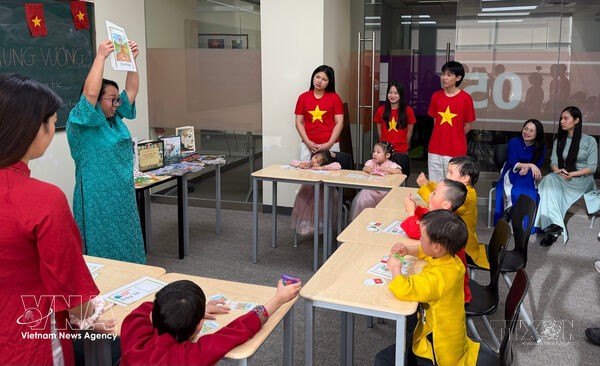
Vietnamese students and intellectuals in Thailand could contribute to promoting Vietnam’s image internationally by actively organising and participating in Vietnamese cultural festivals and exchange activities.
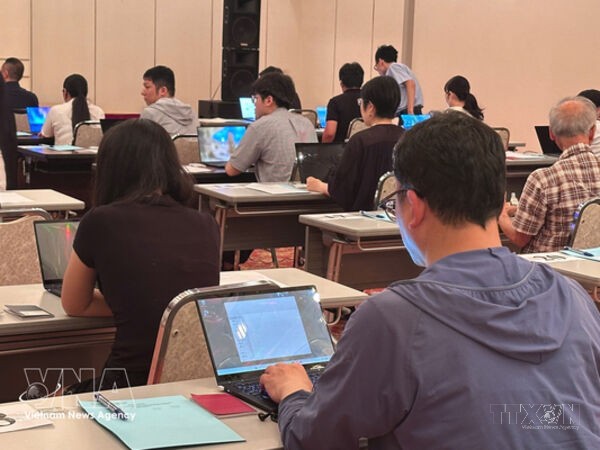
As bilateral ties between Vietnam and Japan continue to expand, demand for Vietnamese language learning in Japan has also grown rapidly among OVs, educational institutions, businesses and Japanese people interested in Vietnam. Against this backdrop, the introduction of a standardised proficiency test is expected to provide an official and widely recognised benchmark for Vietnamese language skills.
As the country enters a new era, the Party and State have designated sci-tech and and innovation as central priorities, Kiem said, adding that VNU-Hanoi, alongside other higher education establishments, must not only produce high-caliber talents but also function as a hub for knowledge transfer and groundbreaking innovation.
According to Dr. Bui Thanh Minh, Deputy Director of the Office of the Private Economic Development Research Board under the Prime Minister’s Advisory Council for Administrative Procedure Reform, Resolution 68 has helped foster a stronger entrepreneurial spirit through a series of concrete policy measures.
In the context of deep international integration, cultural identity serves as both a “shield” against assimilation and a defining marker of a nation’s image. Protecting and promoting uniquely Vietnamese cultural values has therefore become a pressing task, particularly in an increasingly complex digital environment.
The Vietnamese Youth Alliance in Singapore (VNYA) on May 2 organised VNYA Concert 2026, under the theme “NHIP – The Rhythm of VietNam”, creating an emotional cultural space for Vietnamese students, workers and international friends in the city-state.
In recent years, Vietnamese dishes have gained wider global recognition through travellers and international rankings. A social media group named “Vietnam Banh Mi Appreciation Society,” with nearly 200,000 foreign members, is dedicated to reviewing banh mi from street stalls to established shops, reflecting growing international enthusiasm for the dish.
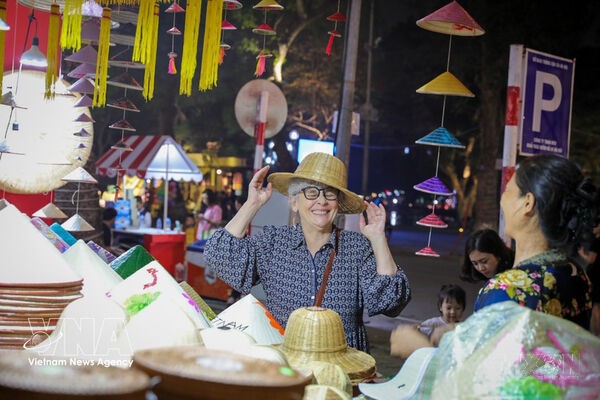
This year’s edition offers a series of immersive experiences, including a “memory zone” that traces the evolution of banh mi (Vietnamese baguette) from its early introduction to its modern-day variations. The space recreates familiar street-side stalls from different regions, alongside interactive activities and cultural “check-in” spots.
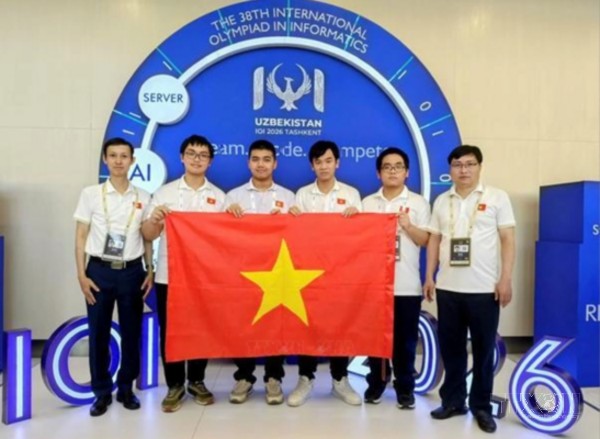
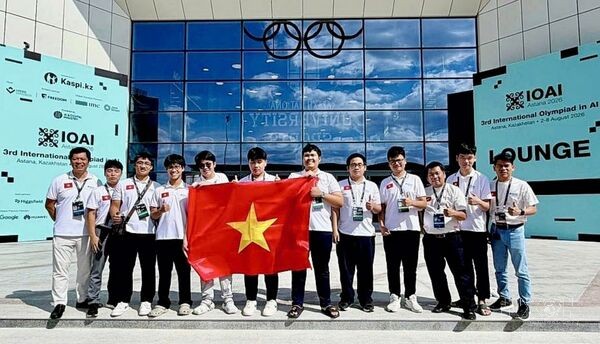
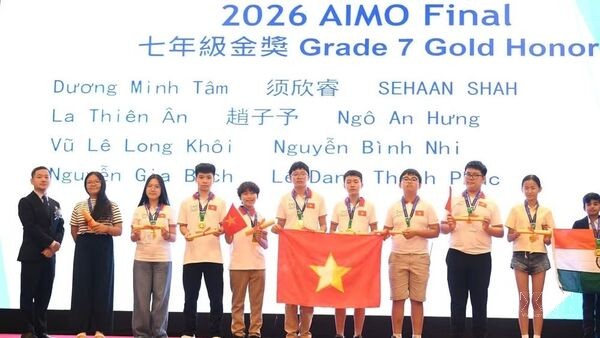
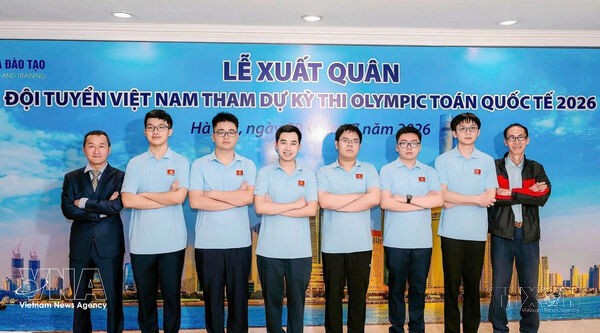
Specifically, two gold medals were awarded to Ngo Hoang Minh, a 12th-grade student at Hanoi–Amsterdam High School for the Gifted, who placed second overall; and Nguyen Thai Minh, an 11th-grade student at the High School for Gifted Students under the Vietnam National University, Hanoi (VNU-Hanoi), who ranked 11th.
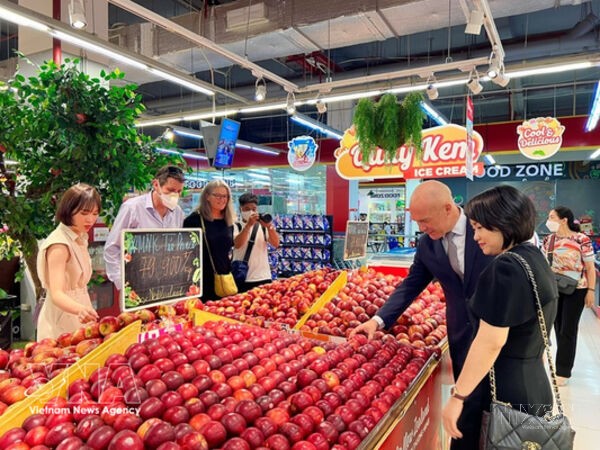
The update by Australia’s Department of Agriculture, Fisheries and Forestry to its Biosecurity Import Conditions system (BICON) on April 10, officially setting out import conditions for Vietnamese pomelos, is regarded as a major milestone in market access efforts.
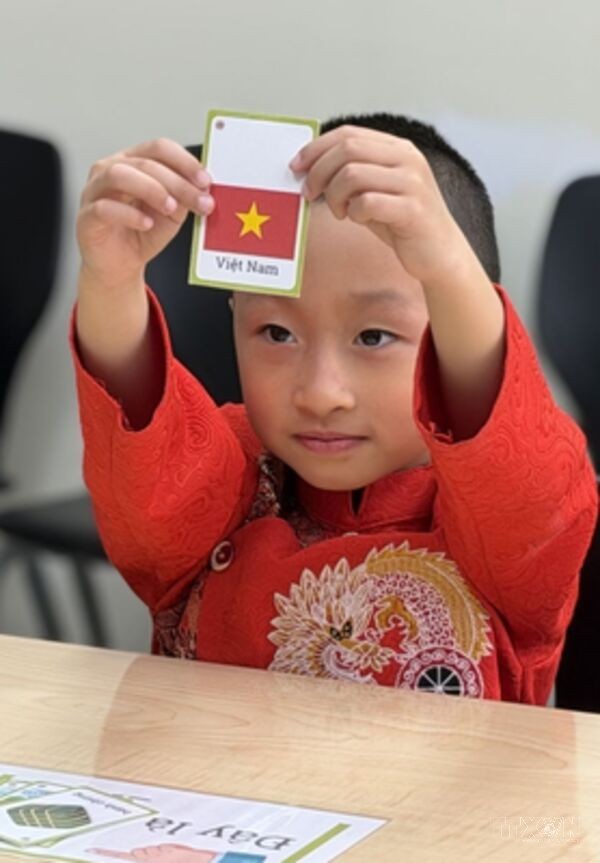
While the number of Vietnamese-origin children in Japan is surging, opportunities to actually speak Vietnamese in daily life are vanishing fast. Many children can understand the language but default to Japanese in response, gradually relegating their mother tongue to a secondary role, sometimes even treating it as a “second foreign language” inside their own houses.
The Viet Youth Readiness Hub is seen as a dedicated platform to connect, support, and empower Vietnamese-Canadian youth. It aims to emerge as a central force to host social events, advance heritage education, foster exchange and integration among young Vietnamese in Canada.
Many overseas Vietnamese families, despite prioritising education and living standards, may face gaps in parent-child connection due to language and cultural differences. Therefore, the Talent Incubation Centre (HITA) in the Czech Republic seeks to foster deeper understanding within families, helping young people build confidence and character from within.
Prof. Dr. Nguyen Huy Hoang, Deputy Director of the Institute of Biology under the Vietnam Academy of Science and Technology, and his research team conducted a project titled “Genetic mutation analysis in Vietnamese patients with selected rare diseases using whole-exome sequencing technology.” The project, implemented from 2022 to 2024, aims to clarify the genetic causes of these diseases within the Vietnamese population.
The programme aims to develop and effectively implement breakthrough mechanisms and policies to recruit, utilise and retain high-caliber international and OV talent. It is expected to strengthen the country’s science and technology capacity, foster a high-quality workforce, enhance innovation capabilities and promote international integration in education and research. The initiative also contributes to Vietnam’s goal of bringing its education system to an advanced regional and global level by 2035.