Hailed as the “supreme tea of all time”, Quang An lotus-scented tea in Tay Ho Ward, Hanoi, represents the pinnacle of the capital city’s culinary heritage. The harmonious combination of the sweet, subtle flavour of green tea and the pure fragrance of West Lake’s Bach Diep (hundred-petal) lotus creates a precious delicacy deeply rooted in Hanoi’s cultural identity.
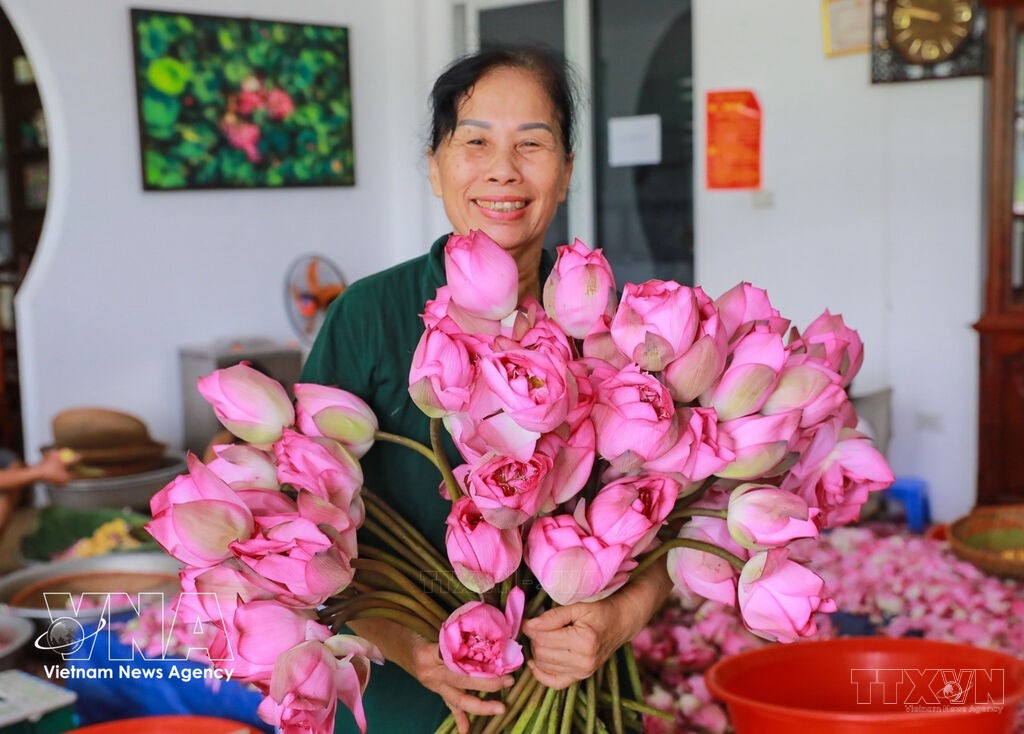
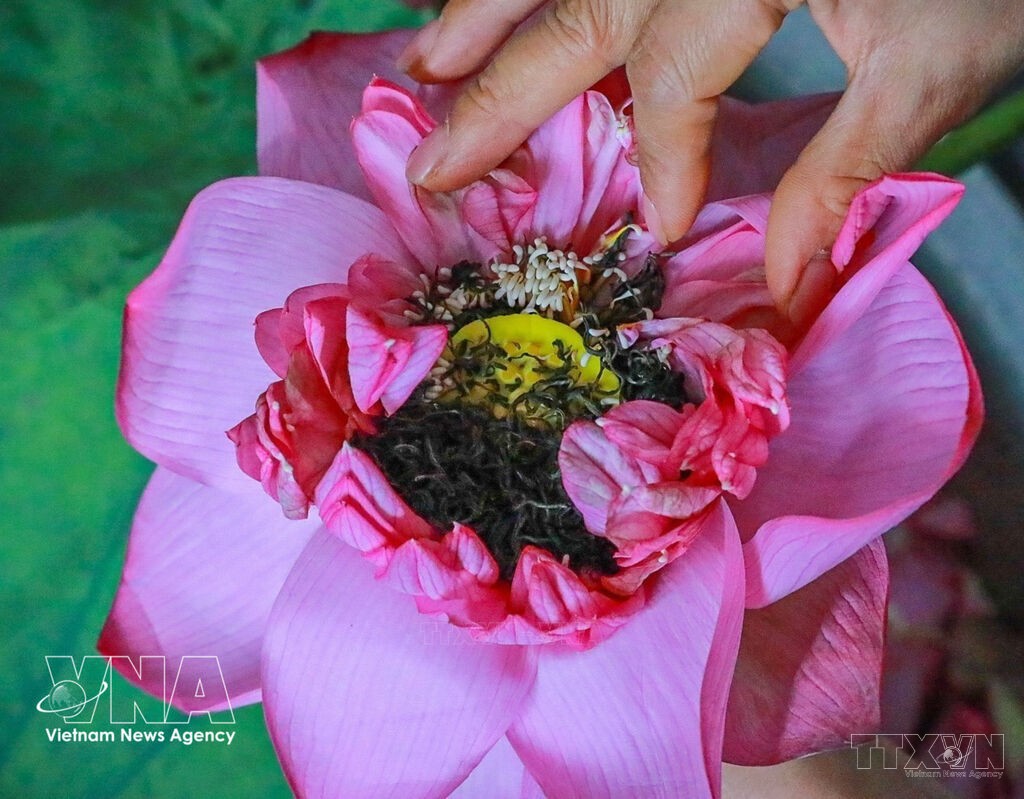
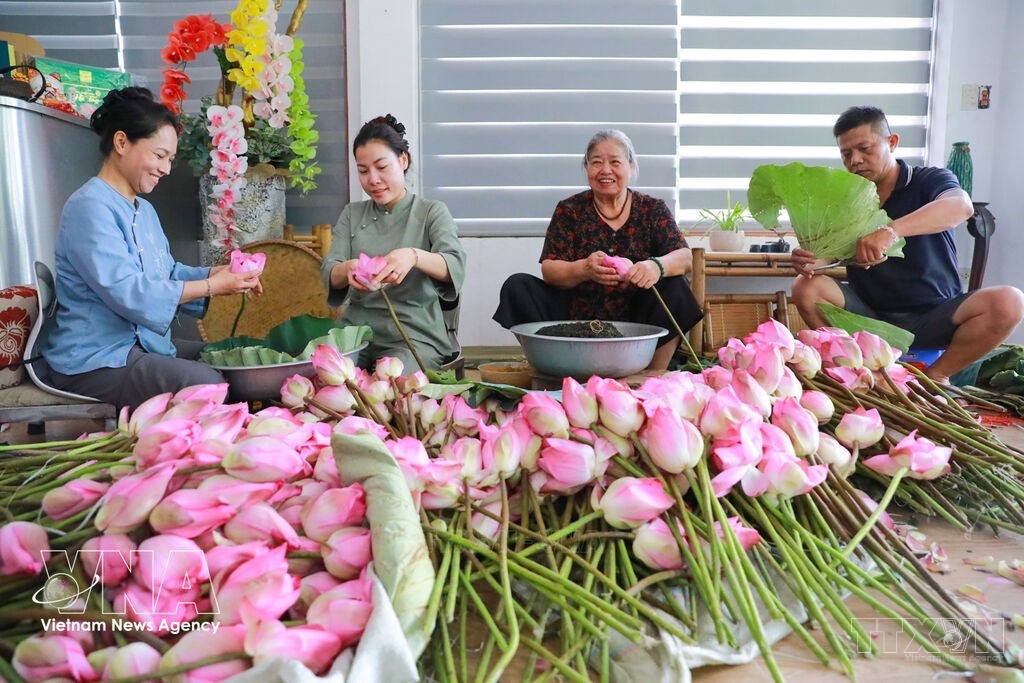
Bach Diep lotus buds at the half-open stage, ready for the tea-scenting process. (Photo: VNA)
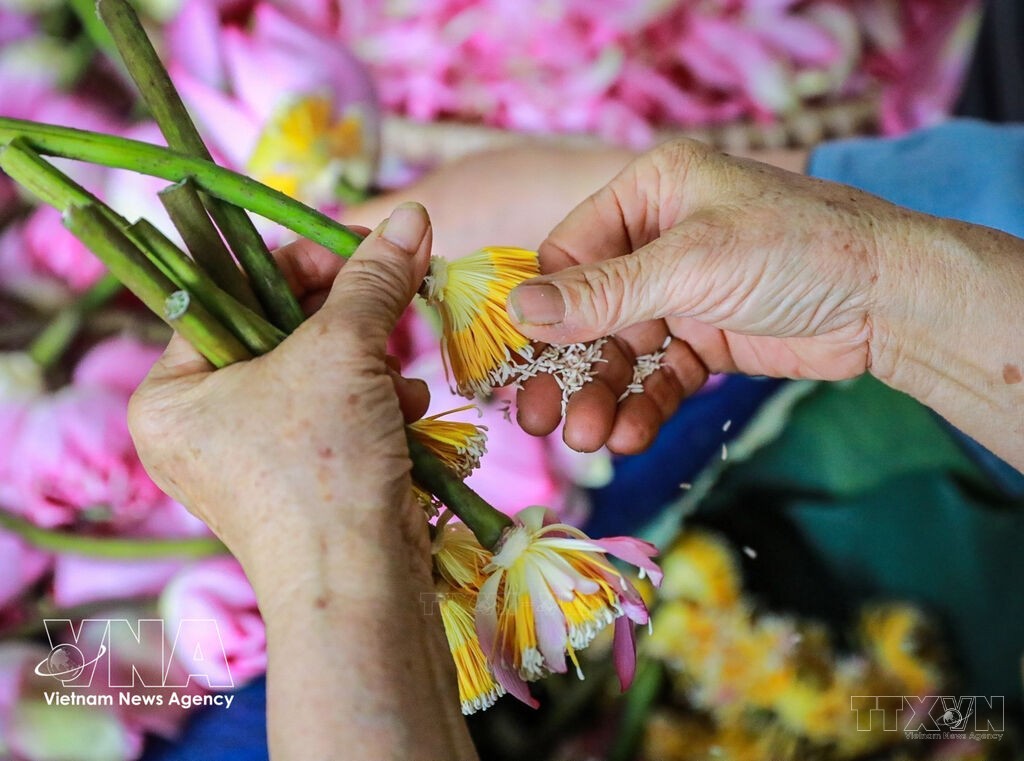
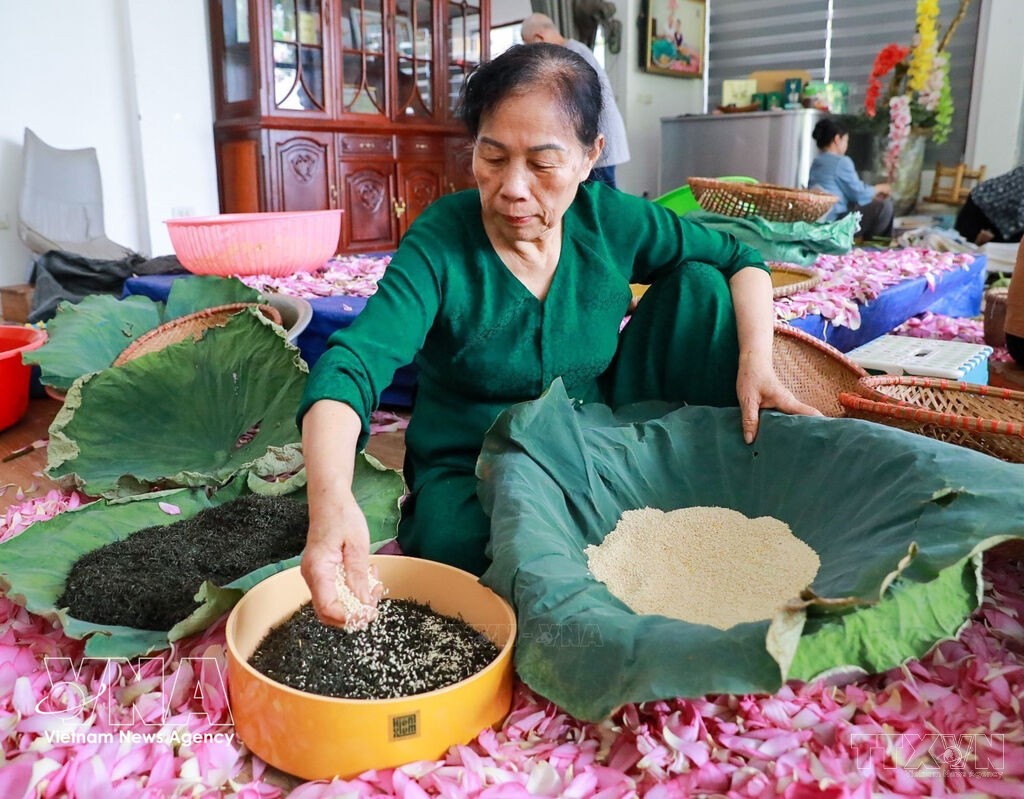
The lotus tea-scenting craft in Quang An boasts a long-standing history, passed down through generations and executed entirely by hand. (Photo: VNA)
The lotus tea-scenting craft in Quang An boasts a long-standing history, passed down through generations and executed entirely by hand. (Photo: VNA)
Though less intricate than traditionally scented tea and with a subtler aroma absorption, flower lotus tea offers the advantages of quick preparation and large-scale production, while still allowing tea drinkers to savour the distinctive fragrance of West Lake’s Bach Diep lotus. (Photo: VNA)
Freshly picked from the lake, the lotus blooms are immediately processed for scenting to preserve their peak fragrance. (Photo: VNA)
Scenting green tea is the pivotal stage of this traditional craft. (Photo: VNA)
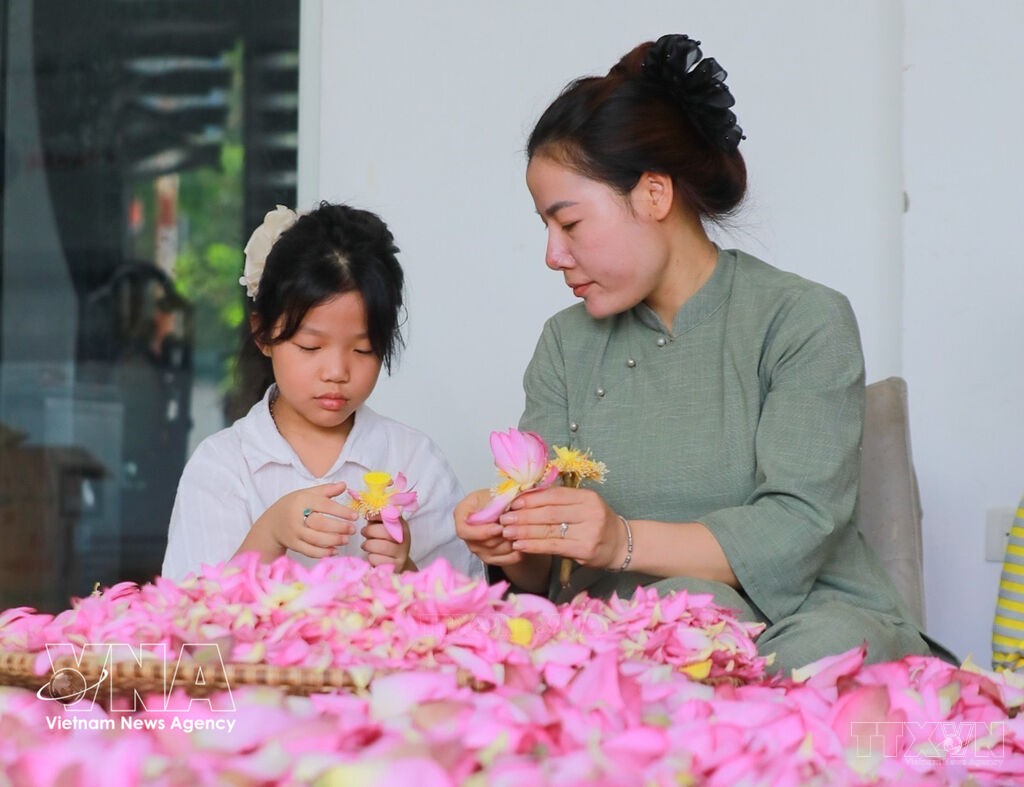
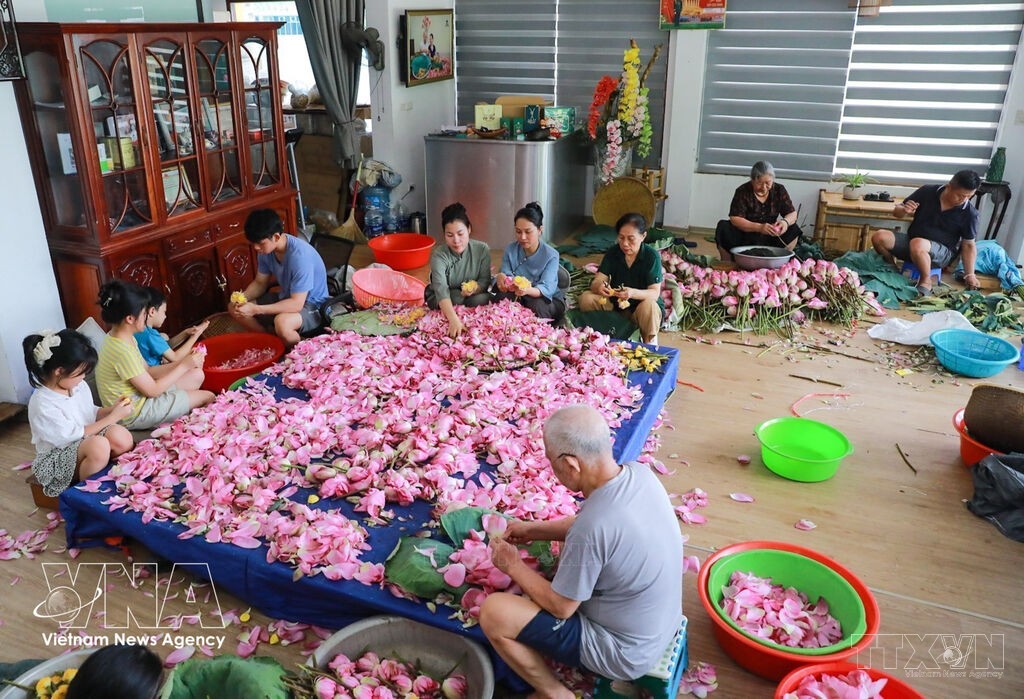
The tea-scenting steps are meticulously and swiftly distributed among family members to ensure the best possible aroma retention. (Photo: VNA)
The family of artisan Ngo Van Xiem (Tay Ho Ward) carrying out various stages of lotus tea scenting. (Photo: VNA)
According to the Civil Aviation Authority of Vietnam (CAAV), more than 11 million passengers passed through airports in July, up over 3% from June. International passengers totalled nearly 4 million, up 2%, while domestic travellers exceeded 7 million, an increase of more than 4%.
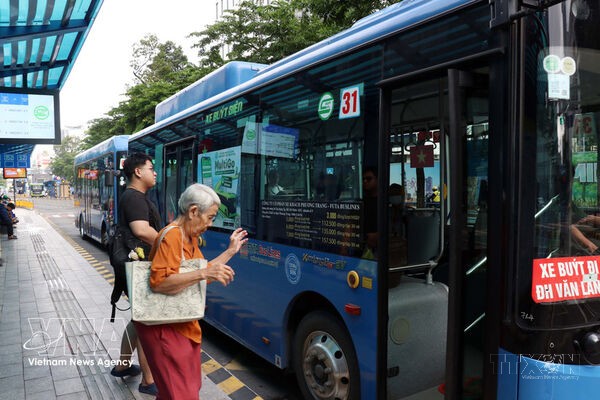
According to Deputy Director of the Ho Chi Minh City Public Transport Management Centre Le Hoan, the bus network operated nearly 478,000 trips in July, serving more than 8.48 million passengers. Weekly growth accelerated throughout the month, rising from 33% in the first week to 45% in the fourth week.
Hanoi’s project “Development of the Night Economy in Hanoi for the 2026-2030 Period, With a Vision to 2045” aims to increase the night-time economy’s contribution to 7–8% of the city’s GRDP by 2035, while positioning Hanoi as the “City of night-time cultural experiences.”
TikTok Vietnam, a popular short-video platform, has joined hands with the Central Coordination Office of the National Target Programme and the Centre for Agricultural Trade and Environmental Promotion to enhance the rural economy through e-commerce.
Vietnam is aiming to add a new title to its growing list of UNESCO Creative Cities by establishing the country’s first City of Photography as early as 2027. The initiative follows the success of four Vietnamese cities already recognised by UNESCO’s Creative Cities Network: Hanoi for Design in 2019, Hoi An for Crafts and Folk Art in 2023, Da Lat for Music in 2023, and Ho Chi Minh City for Film in 2025.
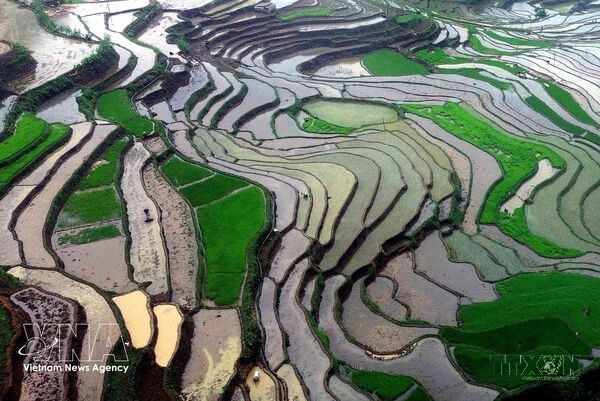
Muong La commune in the northern province of Son La is home to around 360 hectares of rice paddies. Terraced rice cultivation is a traditional farming practice of the area's ethnic communities.
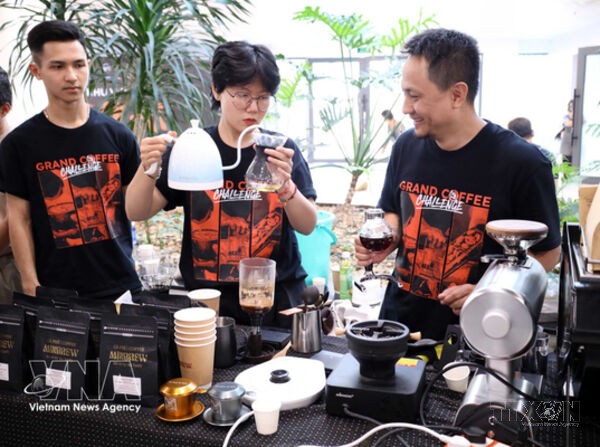
Businesses and coffee artisans in Da Nang city are reimagining the central region's signature specialties through creative coffee beverages, offering visitors distinctive flavours while adding value to OCOP (One Commune One Product) items and strengthening links between agriculture, culture, tourism and commerce.
Originating in Vietnam, Vovinam – Viet Vo Dao has steadily gained international recognition. In France, this martial art has become firmly established, with more than 10,000 practitioners and about 50 clubs operating under the French Vovinam Federation.
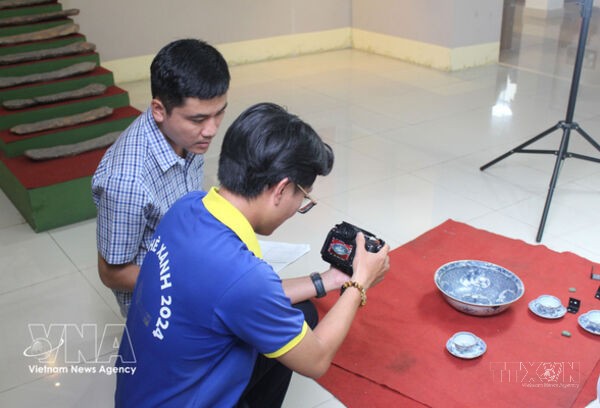
Beyond preservation, digitalisation is opening new opportunities for smart tourism, thereby expanding public access to heritage and enhancing research activities.