 |
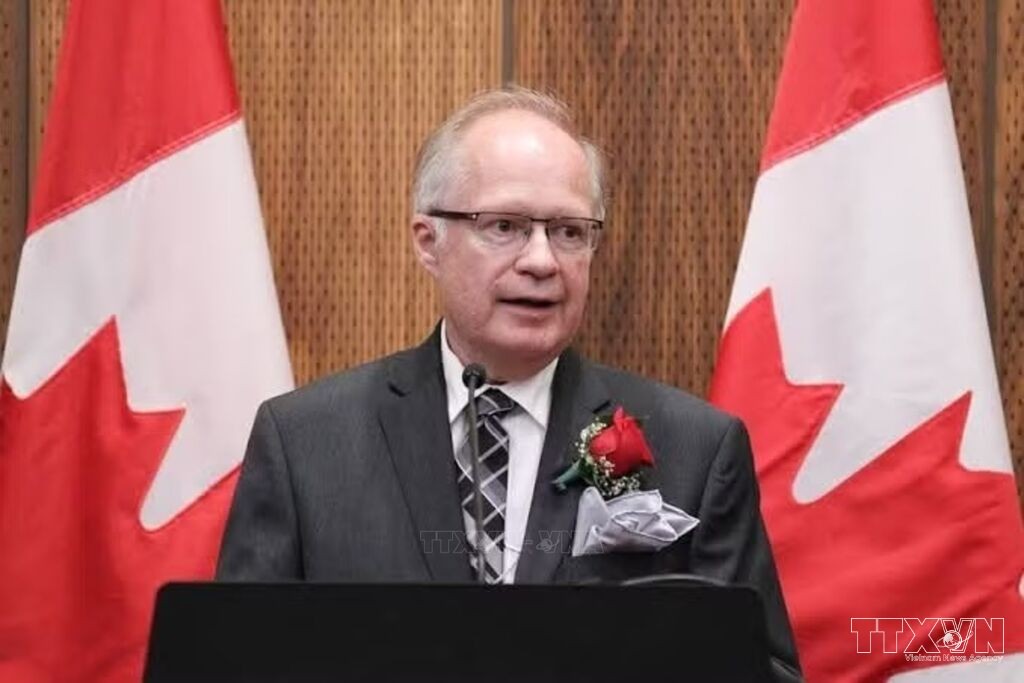
| Bryon Wilfert, Senior Advisor to the Canada-Vietnam Trade Council. (Photo: Canadian Association of Former Parliamentarians) |
Ottawa (VNA) – Vietnam can make increasingly substantive contributions to international cooperation through its development experience, expanding economic ties and active participation in regional and global institutions, former President of the Canada-Vietnam Parliamentary Friendship Group (CVPFG) Bryon Wilfert has said.
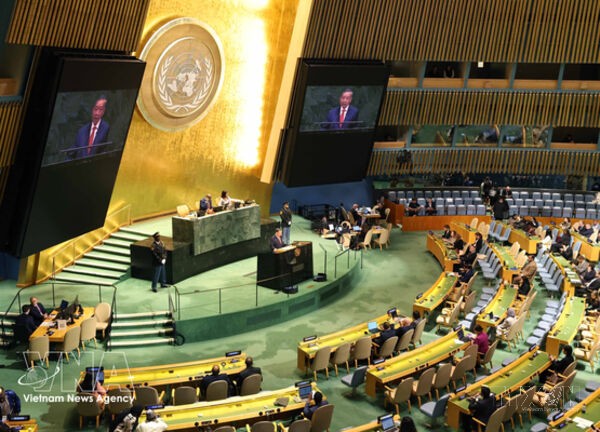
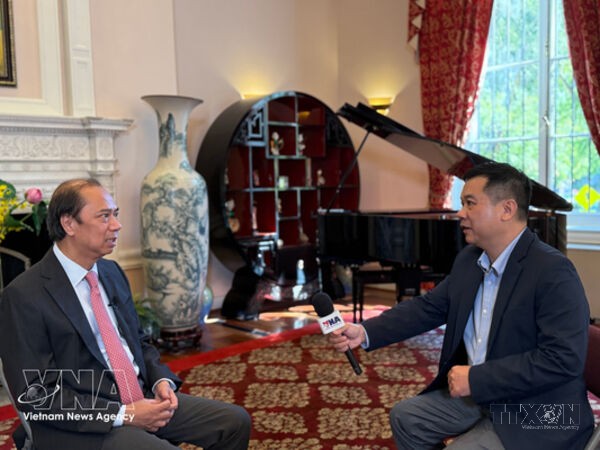
In an interview with the Vietnam News Agency (VNA)'s correspondent in Canada regarding General Secretary of the Communist Party of Vietnam Central Committee and President To Lam’s address at the High-Level General Debate of the 81st Session of the United Nations General Assembly (UNGA 81), Wilfert, who is now Senior Advisor to the Canada-Vietnam Trade Council, said the Vietnamese leader’s message on restoring trust, respecting international law and maintaining dialogue is particularly significant amid geopolitical tensions, conflicts and economic uncertainty.
Wilfert said Vietnam’s emphasis on the UN Charter principles of respecting sovereignty and territorial integrity and peacefully settling disputes is crucial to maintaining international stability. He also highlighted the message that restoring trust does not mean eliminating differences, but managing them responsibly.
He noted that differences in political systems, economic priorities and historical experiences should not hinder cooperation on fields of shared interest. Wilfert cited Vietnam-Canada ties as an example, saying cooperation has expanded from trade and investment to education, development cooperation and people-to-people exchanges, with the Comprehensive and Progressive Agreement for Trans-Pacific Partnership (CPTPP) providing an important framework for closer economic links.
Regarding Vietnam’s role in multilateral affairs, Wilfert highlighted four areas where Vietnam could further contribute to multilateral cooperation, beginning with its contribution to regional peace and stability through ASEAN and the UN. He said Vietnam’s regional diplomacy and participation in UN peacekeeping operations provide a basis for promoting dialogue, conflict prevention and international cooperation.
He also emphasised Vietnam’s potential to promote inclusive trade and sustainable development as rotating chairmanship of the CPTPP in 2026, support climate adaptation and clean-energy transition, and help amplify developing countries’ voices on digital technology, cybersecurity and AI.
Wilfer added that Vietnam's preparations for hosting the APEC Economic Leaders' Week in 2027 will provide another opportunity for the country to promote trade cooperation, sustainable development and innovation in the Asia-Pacific region.
For Vietnam-Canada cooperation, Wilfert said the two countries have favourable foundations to expand collaboration in green transition, digital technology and AI governance. He proposed closer cooperation in clean technology, climate adaptation and sustainable agriculture, stronger links among universities, research institutes and technology businesses, and more structured dialogue on responsible AI governance and cybersecurity.
He suggested organising specialised business delegations to connect Canadian technology suppliers and investors with Vietnamese businesses, regulators and project developers, while encouraging joint research, student exchanges and technical training, particularly in AI applications in healthcare, agriculture, education and advanced manufacturing.
As Senior Advisor to the Canada-Vietnam Trade Council, Wilfert said bilateral business organisations could help connect partners, organise specialised forums and support investment and joint research, while the Vietnam-Canada Joint Economic Committee could better identify priorities and coordinate cooperation.
The former parliamentarian emphasised that the bilateral ties should be measured by concrete outcomes, including new partnerships, investment, technology and knowledge sharing, and greater opportunities for people in both countries. He said General Secretary and President Lam's address at UNGA 81 offers an opportunity for Vietnam and Canada to advance shared goals and promote sustainable development, responsible innovation and shared prosperity./.