 |
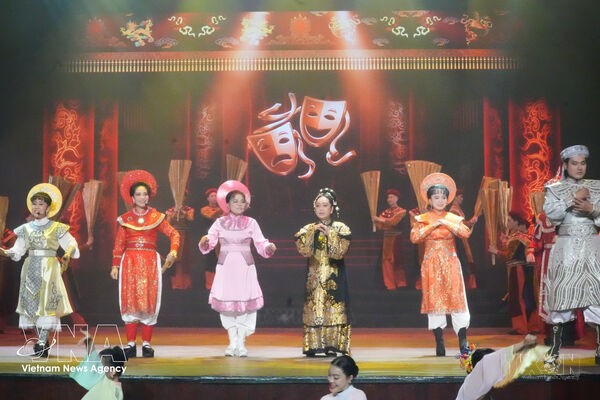
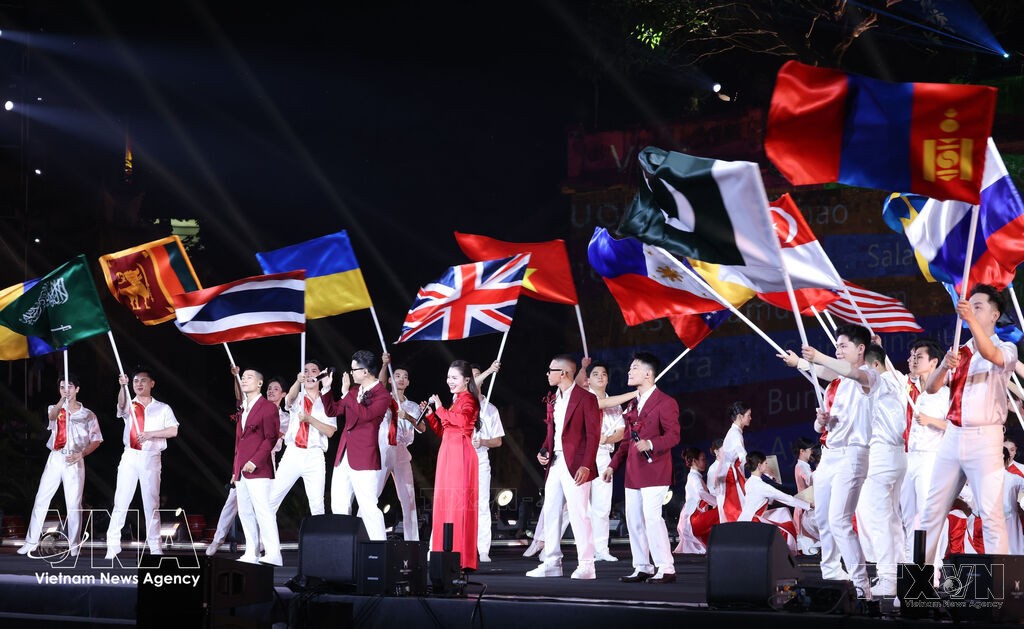
| At the opening of the first-ever Cultures of the World Festival in Hanoi. (Photo: VNA) |
Hanoi (VNA) - Deputy Prime Minister Pham Thi Thanh Tra has signed a decision approving Vietnam's cultural diplomacy strategy through 2030, with a vision to 2045.
The blueprint seeks to deepen international cultural integration, export Vietnamese values and absorb the essence of world cultures. The end goal is an advanced culture steeped in national identity, deployed as a soft power to fuel rapid, sustainable growth, lift Vietnam’s global standing, and add a distinct thread to the tapestry of human civilisation.
Targeting at least 10 globally competitive cultural - heritage tourism destinations
Between 2026 and 2030, Vietnam plans to expand and sharpen cultural cooperation with countries, territories, cultural bodies and creative industry corporations across the region and beyond, creating new momentum for cultural industries, particularly in film, performing arts, cultural tourism and heritage.
The strategy targets at least five prestigious international awards in culture and arts, zeroing in on music, film and literature. On top of that, it aims to launch and sustainably operate five globally branded arts festivals in key localities, turning them into must-visit cultural stops on the regional map.
Vietnam also aims to secure UNESCO recognition or similar designation for at least five more heritage elements. It plans to develop a minimum of 10 cultural and heritage tourism sites into globally competitive, nationally branded attractions, plus opening 1-3 new Vietnam cultural centres in strategic overseas locations.
2045 vision: 15 more UNESCO laurels, cultural hub status
Fast-forward to 2045, Vietnam sees itself ranking among the region’s leading cultural and creative hubs, using a booming digital economy and digital society to break through on soft power.
The country wants to cement its reputation as a heritage-rich nation with the capacity and credibility to host high-profile global and regional events, and even steer the next era’s global cultural trends.
Specific targets include bagging at least 15 more international culture, arts and creative industry awards and successfully hosting a marquee global event, whether a World Expo, a specialised expo, or a massive international sports or cultural event.
The strategy also directs Vietnam to set up at least five more cultural centres overseas in countries that are comprehensive strategic partners, in line with the Party and State’s foreign policy.
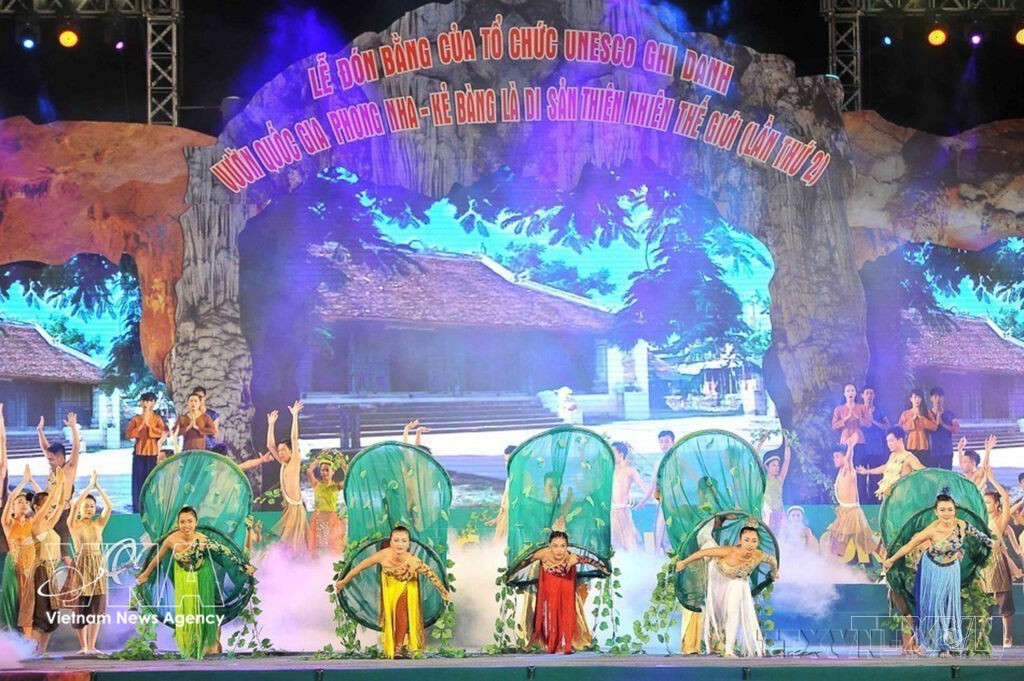 |
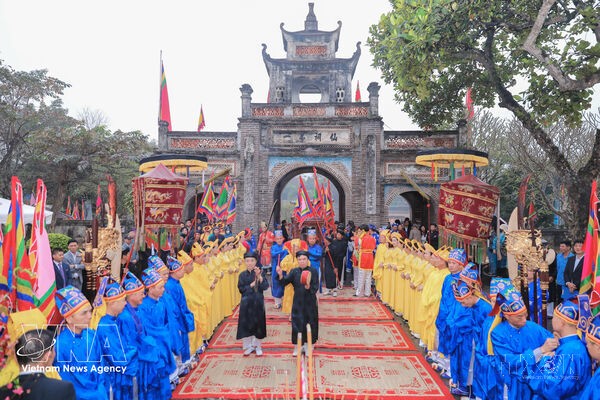
| At the UNESCO certificate presentation ceremony for Phong Nha-Ke Bang's second World Natural Heritage listing. (Photo: VNA) |
By the numbers, Vietnam wants another 15 heritage elements or titles recognised by UNESCO and other specialised bodies. It’s also aiming for a spot among the top three soft-power players in ASEAN and a top-30 ranking globally.
Building a cultural diplomacy talent pipeline
To deliver on these ambitions, the strategy identifies developing a highly qualified cultural diplomacy workforce, both at home and overseas, a core task.
It directs the assignment of officials in charge of cultural affairs to overseas missions based on operational needs and local conditions, while strictly adhering to the Party’s and State’s policy of streamlining the apparatus without new agencies or extra headcount.
A phased rollout will send cultural counsellors or attachés to diplomatic missions in strategic partner countries, starting with comprehensive strategic partners by 2030 and extending to all strategic partners and above by 2045.
Vietnam will proactively recruit, train and sharpen cultural diplomacy personnel at central and local levels, equipping them with fluency in both Vietnamese and global cultures. Priority goes to negotiation skills, international law and intellectual property, event production, multimedia communications, digital cultural governance, and hands-on mastery of modern tech, with artificial intelligence, big data, virtual and augmented reality included.
The strategy also pushes to place capable Vietnamese professionals inside international and regional cultural bodies.
Before students, researchers, workers and experts head abroad, they’ll now get beefed-up training in national history, culture and communications. The broader mission is to lift aesthetic education, political awareness and national cultural pride among young people, forging a generation of global citizens who can handle the heat of integration and globalisation.
Pushing Vietnam’s cultural brand to every corner of the planet
The whole strategy demands renewed mindset, sharper operations and a diversified push to project Vietnam’s cultural brand worldwide.
Top priority goes to pumping more creativity and quality into cultural diplomacy during overseas trips by senior Vietnamese Party and State leaders, and inbound visits by foreign counterparts.
Vietnam will overhaul its culture weeks and culture days abroad, team up with host countries for more joint performances, pull in bigger audiences and amplify mass media coverage. Wherever it fits, traditional sports, martial arts and folk games that show off Vietnamese identity will be woven into promotions.
The country plans to muscle its way into more major international cultural and art events, including blockbuster exhibitions, A-list film festivals, high-profile art shows, long-established book fairs, thematic cultural events, cultural promotion activities, alongside major international economic and political gatherings.
Finally, Vietnam will step up sports diplomacy by hosting and actively competing in major international competitions and continental and regional multi-sport events, while showcasing the country’s traditional sports and performing arts through exchanges, festivals, fairs and exhibitions./.