 |
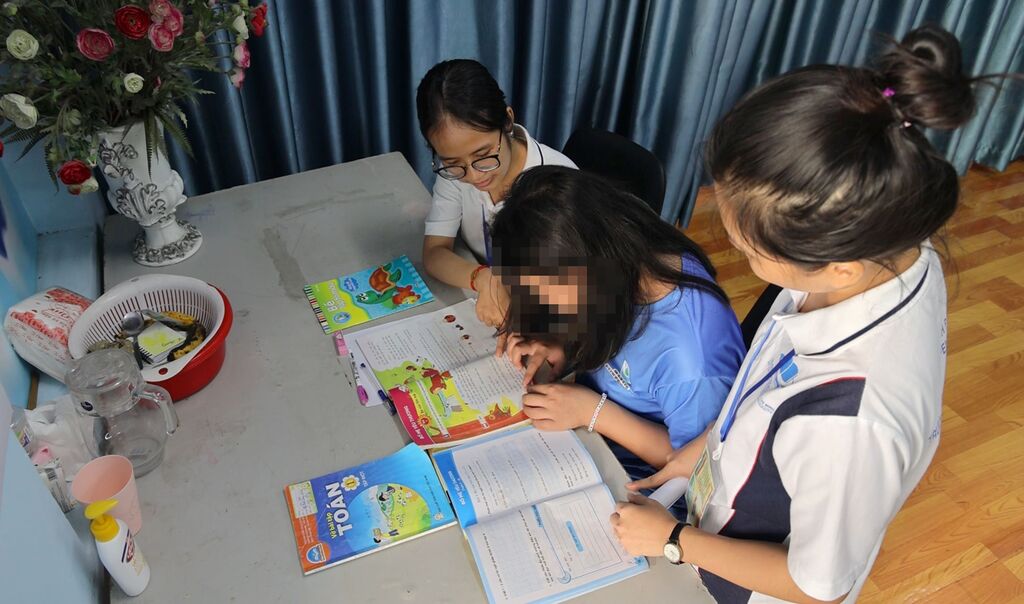
| Social workers assist T.A.T. (born in 2013) with studying and daily activities at the temporary shelter of the “Bo Cong Anh” model in Hanh Thong ward, Ho Chi Minh City. (Photo: VNA) |
Hanoi (VNA) – Vietnam has approved a national programme on prevention and response to gender-based violence for the 2026–2030 period, aimed at reducing incidents nationwide by strengthening awareness, promoting behavioural change and expanding victim-centred support services to better protect women and girls.
Deputy Prime Minister Pham Thi Thanh Tra signed Decision No. 625/QD-TTg endorsing the initiative, which seeks to ensure victims receive timely assistance and can live in safer, more equal environments free from violence.
Under the programme, by 2030 all identified victims of gender-based violence are expected to access at least one appropriate support service. Each centrally run province and city will establish a minimum of five standardised community-based safe shelters designed to suit local conditions and needs.
The plan also targets the establishment of inter-agency coordination mechanisms in 60% of localities, while all provinces and cities are required to apply information technology in receiving reports, managing cases and supporting victims. Schools and businesses nationwide must implement procedures to prevent and address violence and workplace harassment, and at least 80% of social work personnel will receive specialised training to strengthen professional support and legal assistance for victims.
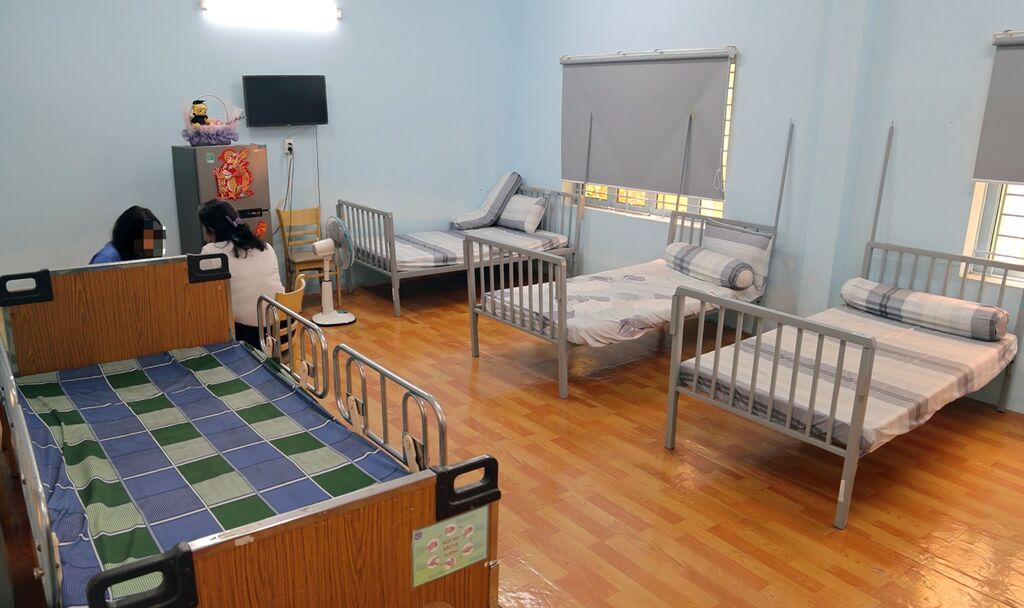 |
| A corner of the temporary shelter under the “Bo Cong Anh” model in Hanh Thong ward, Ho Chi Minh City (Photo: VNA) |
To realise these goals, the programme sets out five major groups of tasks and solutions for ministries, sectors and local authorities. A key focus is reforming communication and education activities, shifting from general awareness campaigns toward behaviour-oriented approaches that build prevention skills, particularly in digital and online environments. Priority will be given to vulnerable groups, including children, students and young people.
Alongside prevention efforts, the programme promotes expanding integrated service models that combine healthcare, psychological counselling and legal support, while scaling up community-based safe shelters. Special attention will be directed toward vulnerable populations such as women with disabilities, ethnic minority groups and migrant workers affected by gender-based violence.
Improving coordination and oversight among ministries, central agencies and local administrations is another core component, aimed at clarifying responsibilities and enhancing the effectiveness of prevention and response measures nationwide.
Capacity building also forms a central pillar of the programme, with training initiatives designed to equip social workers, gender equality officials and grassroots collaborators with skills for early detection, timely intervention and specialised victim support, particularly as risks linked to online violence continue to rise.
In addition, the programme promotes international cooperation and digital transformation to mobilise resources, share experience and strengthen the application of information technology in data collection, reporting and inter-agency connectivity, paving the way for a unified national database supporting efforts to prevent and respond to gender-based violence across the country./.