 |
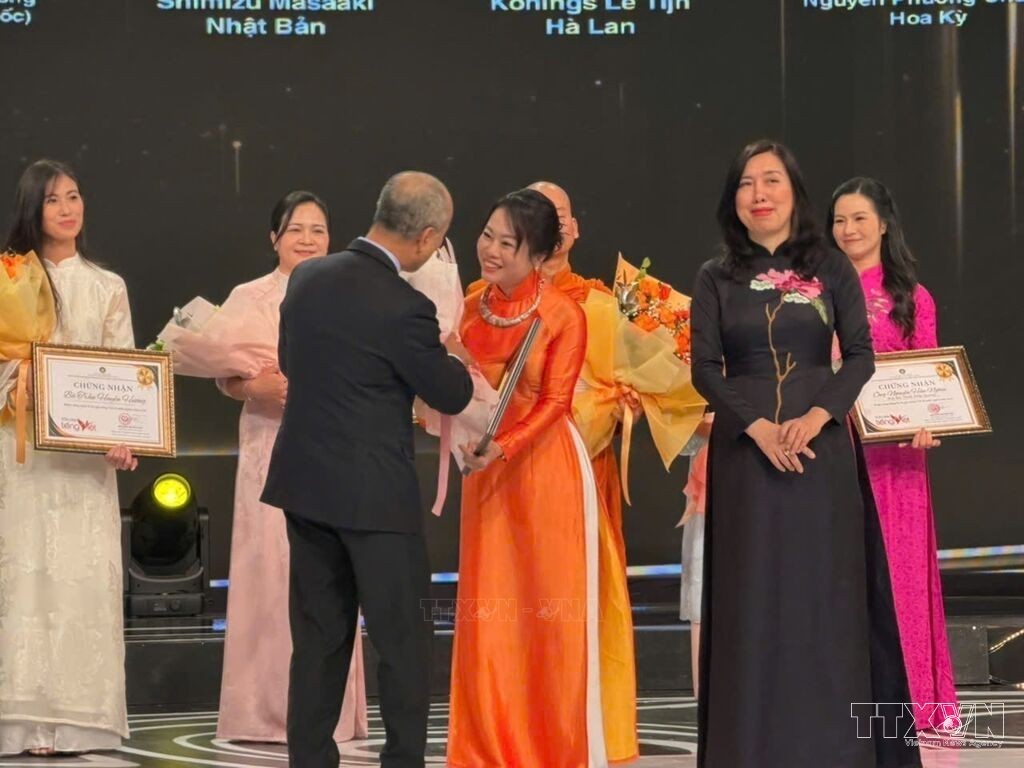
| Nguyen Thi Lien Huong (centre) a lecturer at the University of Taiwan (China), at the 2026 Vietnamese Language Ambassador Awards Ceremony (Photo pusblished by VNA) |
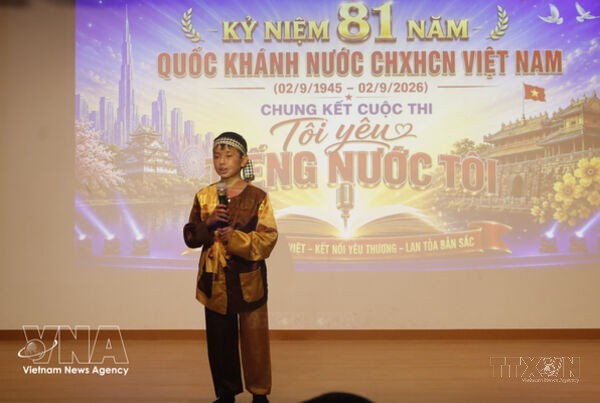
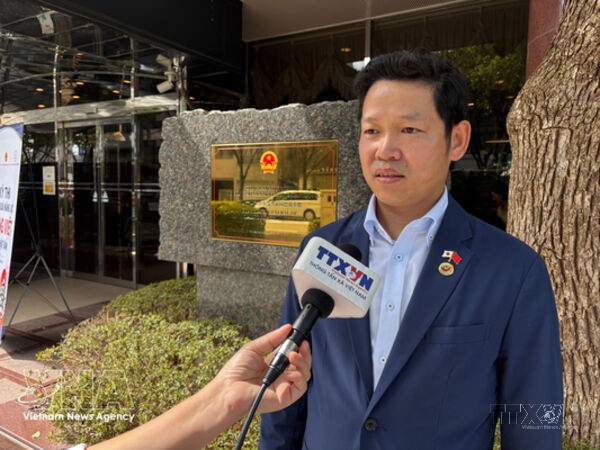
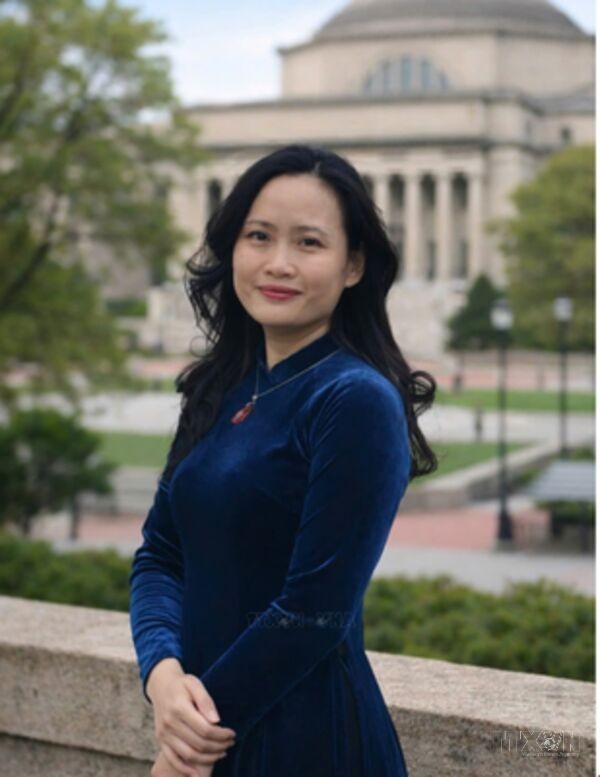
Hanoi (VNA) – Nguyen Thi Lien Huong, a lecturer at National Taiwan University (NTU) in Taiwan (China), has been honoured as one of eight Vietnamese Language Ambassadors Abroad 2026 on the occasion of the Day honouring Vietnamese language among overseas Vietnamese communities (September 8).
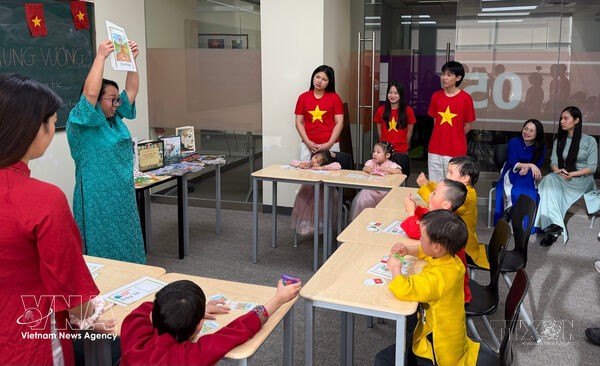
With nearly 20 years of experience teaching Vietnamese, Huong is also an executive board member of a forum dedicated to preserving Vietnamese language and culture abroad. She has compiled and published nearly 20 research works and learning materials on the subject.
The recognition is an encouragement for her to continue her work and accompany more young people in teaching Vietnamese overseas, Huong told Vietnam News Agency correspondents in China.
She expressed her hope that the forum will become a common space for teachers and others interested in Vietnamese language preservation to exchange experience and develop approaches suited to different communities.
Huong said understanding learners’ psychology and needs is crucial. Some children study Vietnamese to communicate with their parents and grandparents while many overseas Vietnamese attend classes to reconnect with their roots. International learners are often motivated by an interest in Vietnam's rich culture.
She noted that the position of Vietnamese language in Taiwan has undergone significant changes. Once used mainly within Vietnamese families and communities, the language now has a broader presence in education, cultural exchanges, and economic and trade cooperation.
The learner base has also become more diverse, including children from Vietnamese-Taiwanese families as well as Taiwanese and foreigners studying Vietnamese for work, education, communication or personal interest.
A major turning point came in 2019, when Taiwan’s education authorities officially introduced Vietnamese into the school curriculum, marking the language’s recognition within the local public education system.
Regarding Resolution No. 23-NQ/TW, which identifies the Vietnamese community abroad as an important strategic resource and a bridge connecting the country with the world, Huong said it provides an important policy framework for greater attention to Vietnamese language teaching and learning overseas.
She stressed that the goal should not simply be to “preserve Vietnamese” but to ensure that it remains naturally used at home, at school and in the community. This requires improved learning materials and teacher training, as well as environments where Vietnamese can be regularly used in daily life.
On the occasion of the Day honouring Vietnamese language, Huong urged families and young Vietnamese abroad to make language preservation part of everyday life, with parents and grandparents maintaining the habit of speaking Vietnamese with children.
For multicultural families, she described Vietnamese as a priceless gift parents can give their children, helping them understand their roots, culture and family ties.
She also encouraged young people born and raised abroad not to feel embarrassed if their Vietnamese is imperfect, stressing that the language remains a sacred bond connecting them with their families, homeland and personal stories./.