 |
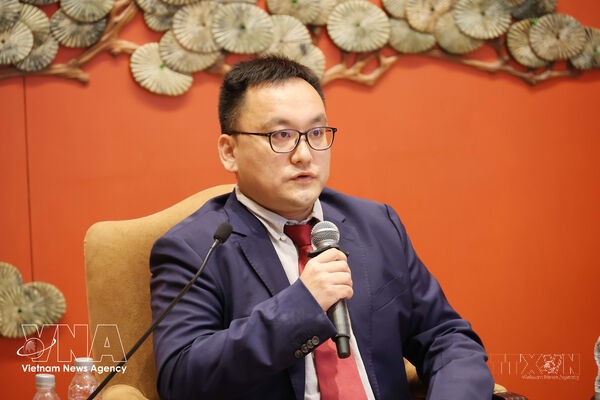
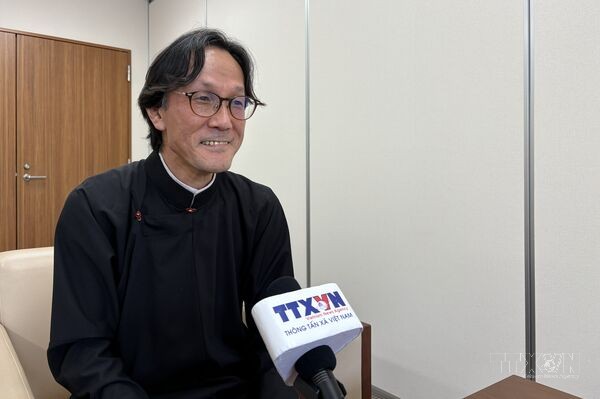
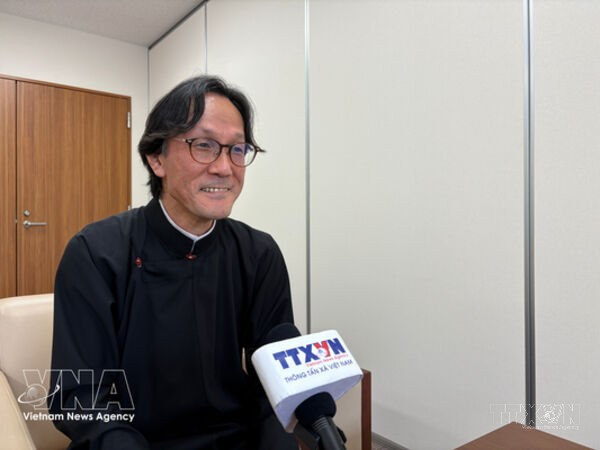
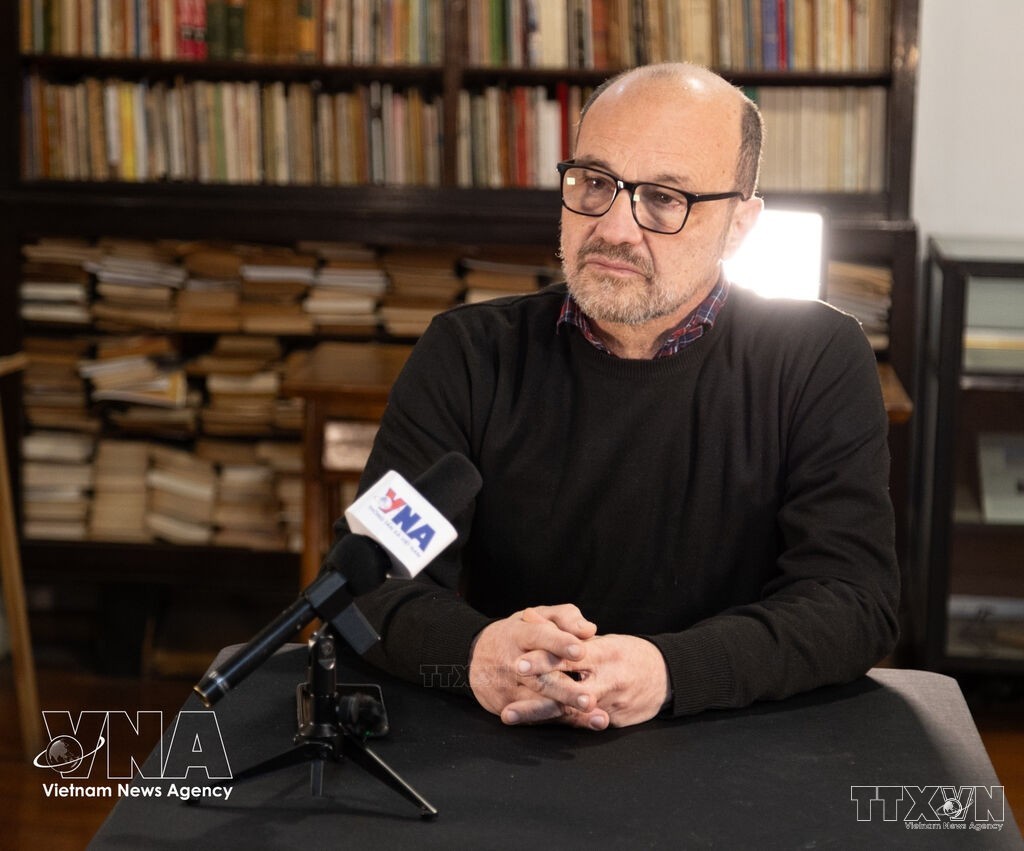
| Marcelo Rodriguez, head of the Commission for Foreign Affairs of the Communist Party of Argentina (PCA) Central Committee, in an interview granted to the Vietnam News Agency. (Photo: VNA) |
Buenos Aires (VNA) – Marcelo Rodriguez, head of the Commission for Foreign Affairs of the Communist Party of Argentina (PCA) Central Committee, has spoken highly of the leadership role of the Communist Party of Vietnam (CPV) in steering and organising the implementation of national development tasks in the new period, as well as the orientations highlighted by General Secretary of the CPV Central Committee and President To Lam at the 3rd plenum of the 14th CPV Central Committee.
In an interview granted to Vietnam News Agency (VNA) correspondents in Buenos Aires ahead of Vietnam’s National Day (September 2, 1945–2026), Rodriguez said the orientations adopted at the 3rd plenum are of significant importance to efforts to improve governance capacity, promote innovation, apply new technologies and strengthen the country’s self-reliance.
Rodriguez, who is also Director of the Agosti Marxist Studies and Training Centre (CEFMA) under the PCA, noted that these orientations should be viewed against the backdrop of profound global changes marked by conflicts, geopolitical competition and a major shift towards a multipolar world order.
In such a context, he said Vietnam needs to continue renewing its management methods, deepening economic policies and accelerating reforms, not only to address emerging issues but, more importantly, to enhance its forecasting capacity so as to take proactive response at an early stage.
He particularly highlighted General Secretary and President Lam’s emphasis on identifying and removing “bottlenecks” in the development process. The requirement, he said, is not merely to resolve problems in management and governance, but also to strengthen the capacity to anticipate developments and tackle issues before they become more complicated and widespread.
The official also underscored the importance of adapting to rapid changes in productivity and production methods driven by new technologies, including artificial intelligence (AI). This requires careful preparation, alongside more efficient management, planning and supervision of the realisation of development goals.
According to Rodriguez, efforts to improve governance, promote dynamism, advance technological innovation and adapt to the new era should be pursued under the leadership, orientation and organisation by the CPV.
Regarding the strategic shifts identified by the 3rd plenum, he said Vietnam needs to build on its development achievements while creating new drivers for growth and improving people’s quality of life. A major challenge, he noted, is to harness new technologies to move beyond a production model centred on processing and assembly, strengthen domestic production capacity and participate more deeply in global value chains.
Amid intensifying technological and economic competition, particularly in Asia, he stressed the need to strike a balance between deeper integration into the global economy and safeguarding sovereignty and the right to self-determination. Vietnam has an advantage in this regard thanks to the consistent leadership of the CPV.
Rodriguez affirmed that over the decades, the CPV has continuously adjusted its foreign policy, economic development strategies and governance methods in line with realities, while demonstrating strong capacity for policymaking, reviewing practice and drawing lessons to chart the next course. These factors, he said, have helped Vietnam strengthen its self-reliance, competitiveness and international standing.
Affirming the solidarity and friendship between the PCA and CPV, he added the PCA closely follows Vietnam’s development process and regards the country’s achievements as evidence of the possibility of building a just society, reaffirming that socialist values remain relevant in today’s world./.