 |
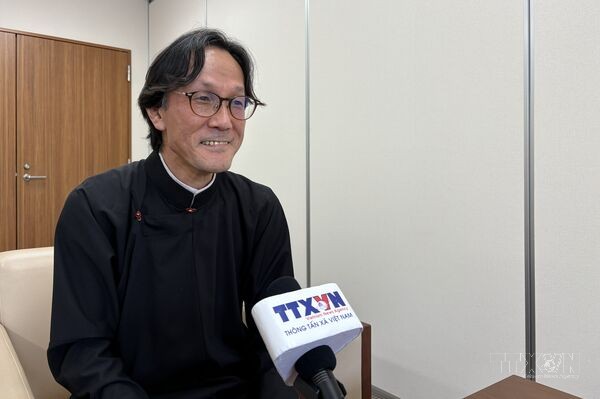
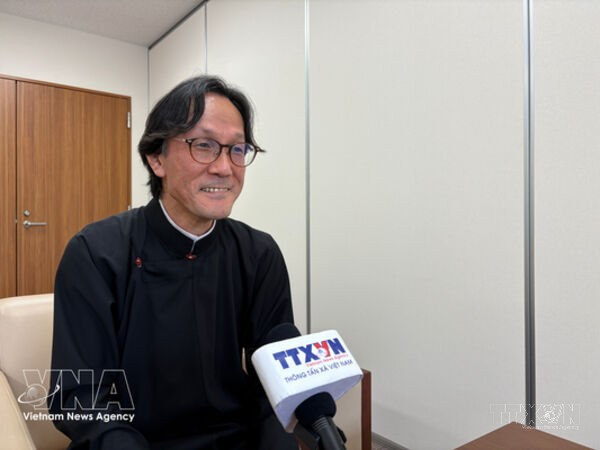
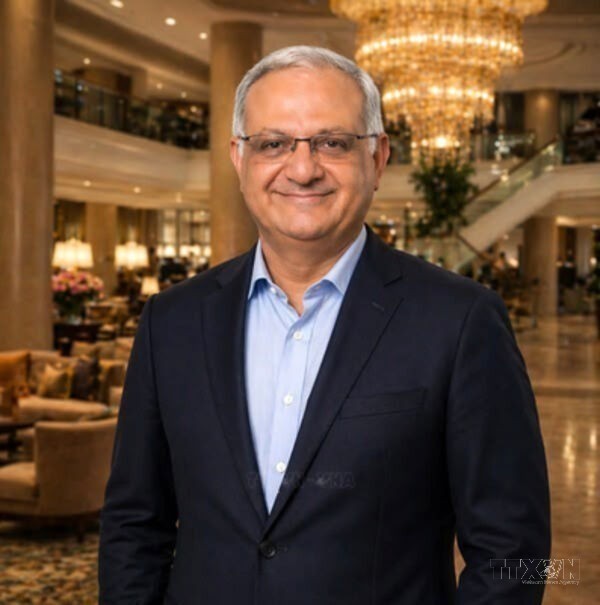
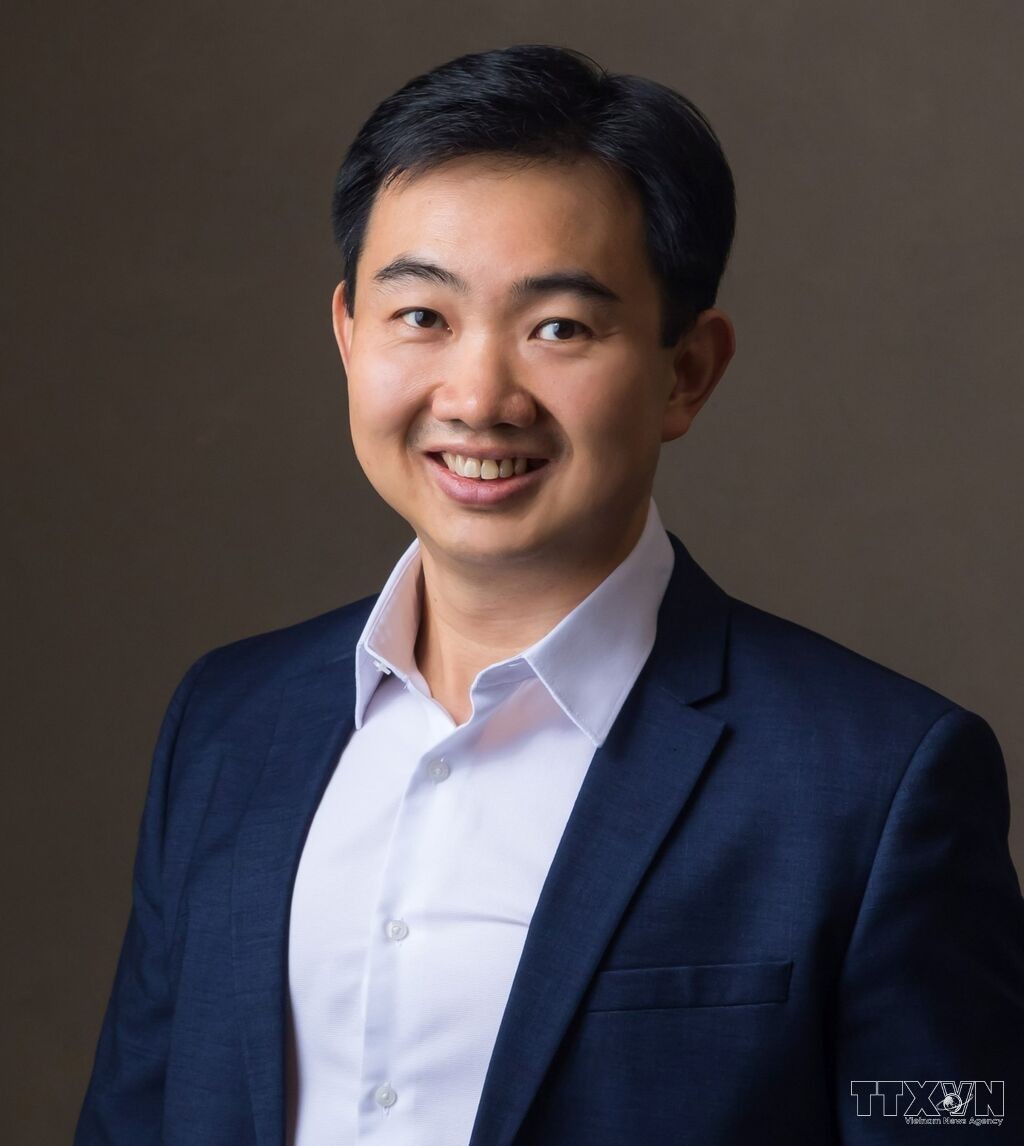
| Ang Wee Seng, Executive Director of the Singapore Semiconductor Industry Association (Photo published by VNA) |
Singapore (VNA) – By combining their complementary strengths, Vietnam and Singapore can help build a more integrated and globally competitive semiconductor corridor in ASEAN, Ang Wee Seng, Executive Director of the Singapore Semiconductor Industry Association (SSIA), told the Vietnam News Agency correspondent in Singapore.
He held that Singapore's semiconductor industry has strengths in research and development, advanced manufacturing, technology management, finance, international business networks and access to global semiconductor companies. Meanwhile, Vietnam offers a young and growing technical workforce, large-scale electronics manufacturing, an expanding domestic technology sector and sufficient scale to support further industrial development.
According to Ang, competitiveness in today's semiconductor industry is no longer determined by a single company or factory, but by the strength, connectivity, adaptability and reliability of the entire ecosystem.
Assessing Vietnam-Singapore cooperation in semiconductors, Ang said agreements announced during General Secretary of the Communist Party of Vietnam Central Committee and President of Vietnam To Lam's visit to Singapore in May 2026 provided important momentum and practical mechanisms to translate mutual trust and strategic alignment into concrete projects.
The outcomes include cooperation in supply chain resilience, advanced manufacturing, technology, energy, digital transformation, innovation and human resources development.
These areas are critical to the semiconductor industry, as no semiconductor ecosystem can operate in isolation. It depends on stable energy supplies, advanced infrastructure, reliable supply chains, technology partnerships and high-quality human resources.
SSIA expects the next phase of cooperation to be practical, sustainable and industry-led. Potential areas include joint capability mapping, supplier development, business matchmaking, workforce exchanges, leadership development, research collaboration and pilot projects in semiconductor design, packaging and testing, equipment, materials, precision engineering and smart manufacturing.
Ang said Vietnam had set strong ambitions for semiconductor development, with the next challenge being to turn those ambitions into focused, commercially viable and sustainable capabilities.
He proposed a number of priorities for Vietnam. First, Vietnam should remain focused on areas where it has the strongest potential to build sustainable competitive advantages. The country could identify fields that combine strong domestic demand, talent, existing industrial capabilities and potential global customers.
Second, Vietnam could develop domestic demand alongside manufacturing capabilities. Major groups such as Viettel, FPT and other Vietnamese technology and industrial companies could become important early customers and development partners.
Third, talent development should be closely aligned with industry needs. Universities and training institutions should work with companies on curricula, internships, laboratory access, engineering tools and real-world manufacturing challenges.
Fourth, Vietnam should continue strengthening the fundamentals that determine investment decisions. These include stable and competitive energy supplies, abundant water resources, logistics, intellectual property protection, policy consistency, cybersecurity, export-control compliance and a strong network of high-quality local suppliers.
Finally, Vietnam needs to maintain strong international connectivity. Semiconductors are inherently global, and cooperation with Singapore's industry and other major semiconductor ecosystems can help Vietnam shorten its learning curve, build international credibility and connect domestic companies with global customers.
Success should not be measured solely by the number of factories built. It should also be assessed by the number of Vietnamese engineers developing valuable intellectual property, domestic suppliers certified by global companies, Vietnamese-designed products entering international markets and the value created and retained domestically, Ang said.
Semiconductor development is a long-term endeavour. At the regional level, ASEAN should avoid viewing semiconductor development as a race in which each country seeks to build an identical ecosystem, Ang said.
Singapore, Vietnam and other ASEAN economies have different but complementary strengths. By linking these strengths through infrastructure, talent mobility, research partnerships, reliable supply chains and joint industry development, ASEAN can become an integrated, sustainable and globally significant semiconductor ecosystem rather than merely a collection of separate semiconductor manufacturing locations./.