 |
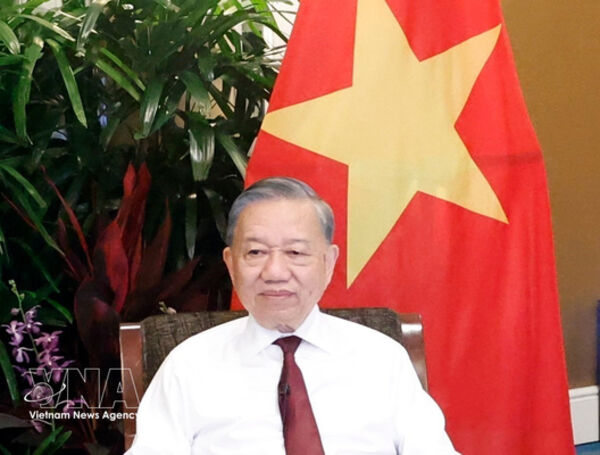
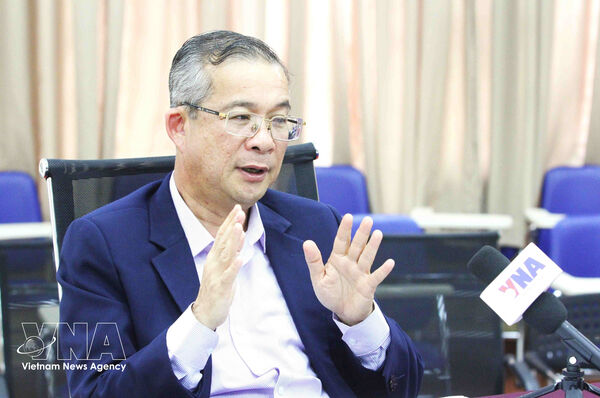
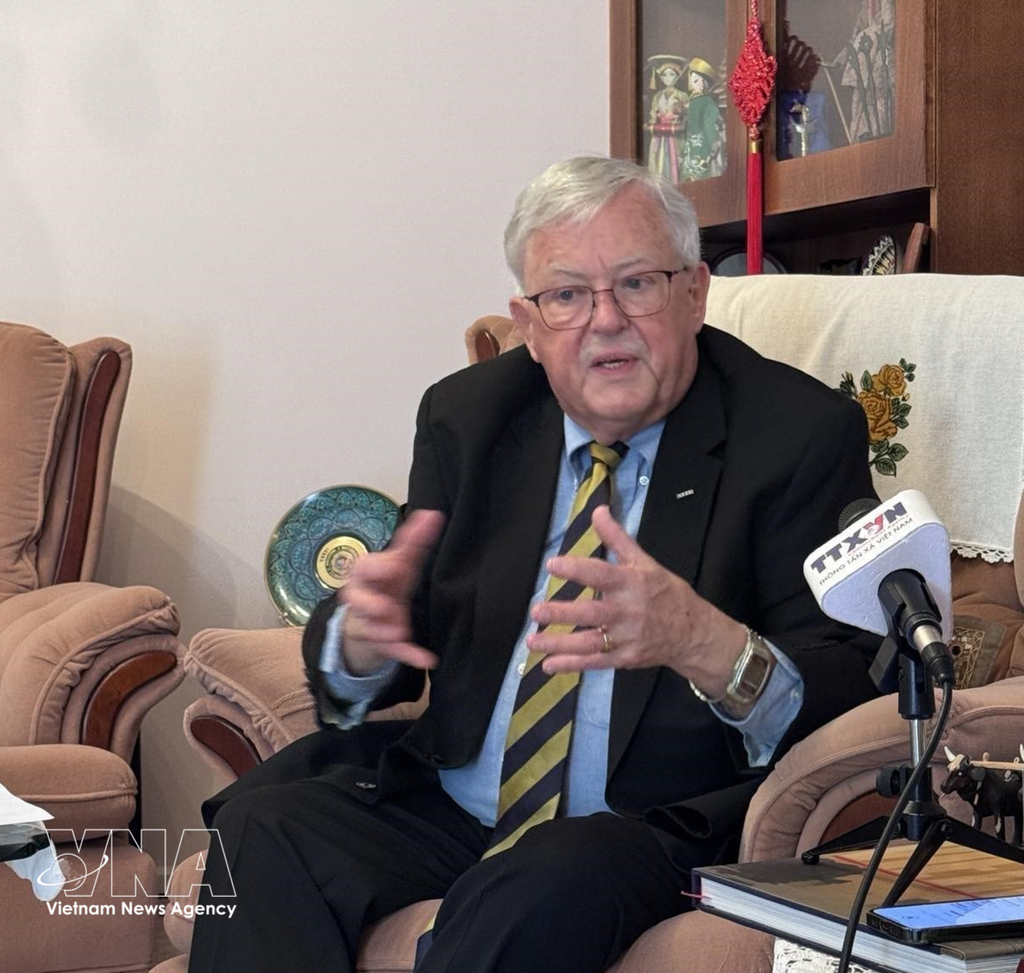
| Professor Carl Thayer of the Australian Defence Force Academy at the University of New South Wales in an interview with the Vietnam News Agency. (Photo: VNA) |
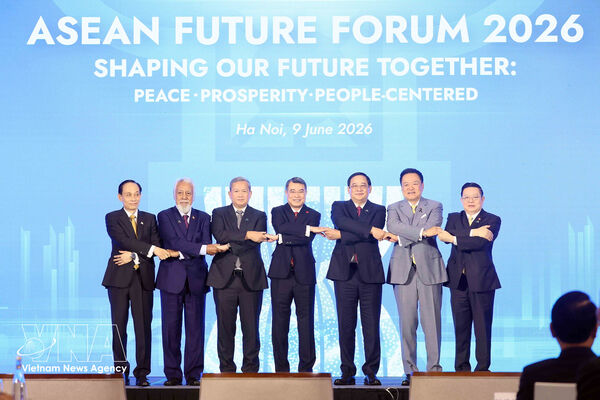
Sydney (VNA) – Vietnam has successfully sustained and elevated the ASEAN Future Forum (AFF) into a dynamic platform for dialogue and cooperation, contributing to regional exchanges while reinforcing ASEAN’s central role in shaping the region’s future, according to Professor Carl Thayer of the Australian Defence Force Academy at the University of New South Wales.
Thayer said that the forum extends beyond government participation to include business leaders, media representatives and academics; and features a broad range of activities, including discussions on the role of Southeast Asian political parties in ASEAN Community-building, youth aspirations toward 2030, and the Mekong subregion’s place in ASEAN’s cooperative architecture toward 2045.
According to the professor, one of the forum’s most notable achievements is Vietnam’s effort to translate ideas into practical action, including the integration of proposals into the ASEAN Community Vision 2045.
He stressed that ASEAN Community Vision 2045 should be viewed as an evolving process requiring continuous adaptation by member states to ensure the region remains stable, prosperous and people-centred. Security must also be understood in broader terms, encompassing not only military concerns but also human security, societal resilience, technology governance and preventive diplomacy.
This approach reflects Vietnam’s contribution to ASEAN’s agenda: prioritising practical solutions, fostering dialogue and incorporating the perspectives of citizens rather than relying solely on broad declarations, Thayer stated, highlighting the importance of research institutions and forums such as the AFF as spaces where new ideas can be tested, refined and developed before being translated into concrete policy measures.
Assessing the significance of Vietnam’s hosting of AFF 2026, the scholar said Vietnam is sending a clear message of political stability, modernisation and international integration. At the same time, it is demonstrating its readiness to contribute actively to shaping ASEAN’s agenda and institutional development.
Vietnam’s continued support for Mekong cooperation and developing countries, he added, forms an important backdrop to this year’s forum. Through the event, Vietnam has reaffirmed its commitment to working closely with ASEAN members and partners to build a peaceful, united, prosperous, resilient, innovative and people-centred ASEAN Community.
Thayer observed that Vietnam is increasingly emerging as a regional hub not only for manufacturing but also for diplomacy, supported by an expanding network of international partnerships. In his view, AFF 2026 represents an open and forward-looking agenda in which Vietnam acts as a trailblazer, proposing and advancing new ideas for regional cooperation.
He held that Vietnam could play a significant role in shaping an ASEAN-centred regional architecture. With Vietnam set to host APEC in 2027, opportunities may arise to enhance coordination between major regional gatherings, enabling leaders to participate in both APEC and East Asia meetings. Together with Singapore’s ASEAN Chairmanship in the same year, these factors could create favourable conditions for strengthening regional engagement and reinforcing ASEAN's centrality.
The expert also underscored that ASEAN's centrality must be built upon practical policy proposals capable of addressing emerging challenges. The immediate priority is to help manage major-power competition, and respond effectively to regional crises, thus contributing to strengthening strategic trust and shaping the regional architecture, he added./.