Ho Chi Minh City moves to develop Phu My 3 as first eco-industrial park
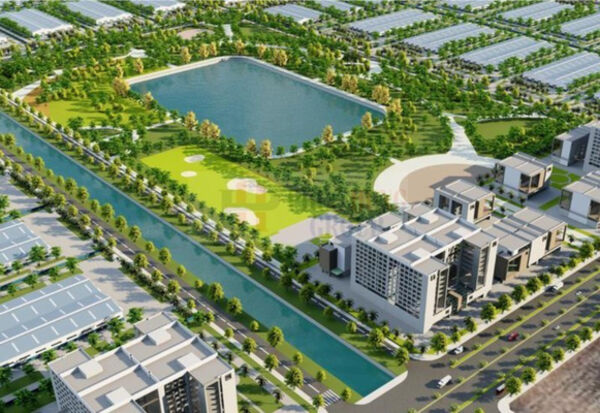
Developed under a strategic cooperation agreement between the Vietnamese and Japanese governments, the nearly 1,000-hectare industrial park is expected to become the city's first eco-industrial park under the country's new regulatory framework.
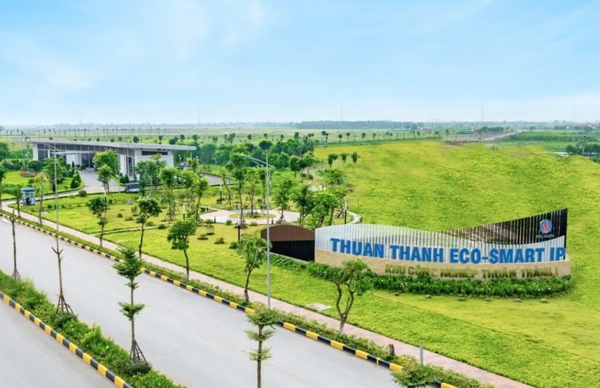
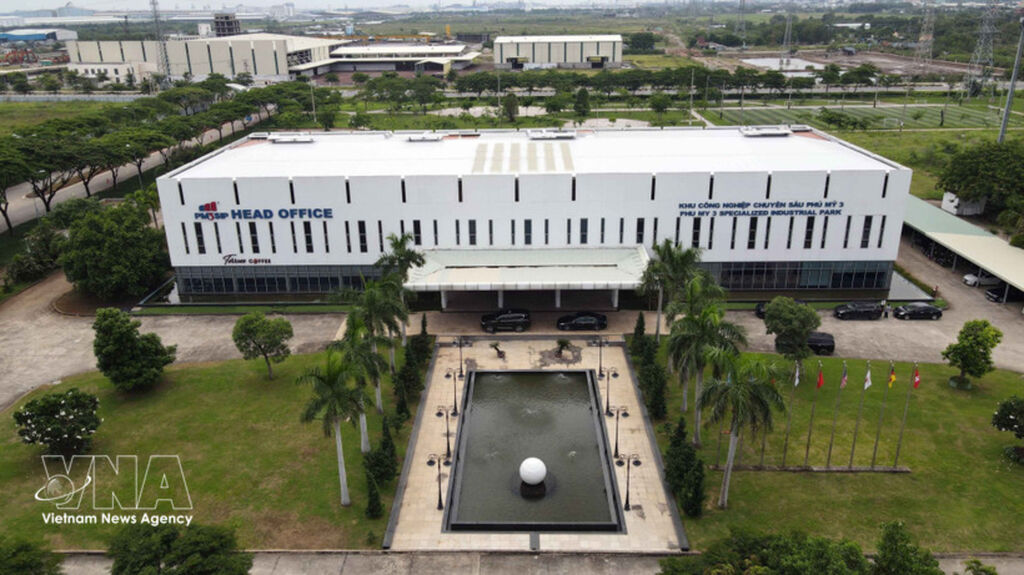
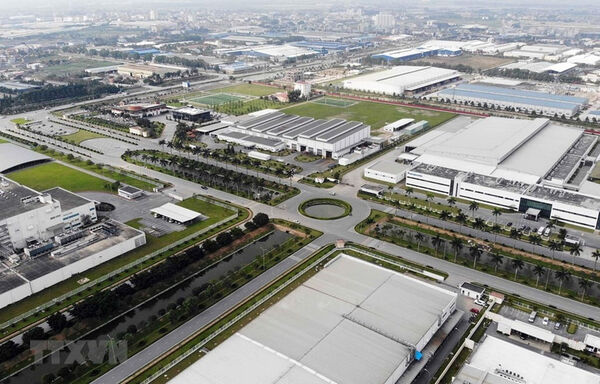
The headquarters of Thanh Binh Phu My Joint Stock Company is located in Phu My 3 Specialised Industrial Park. (Photo: VNA)

​Ho Chi Minh City (VNA) – Phu My 3 Specialised Industrial Park in Ho Chi Minh City is emerging as a model eco-industrial park, supporting Vietnam's sustainable development goals and its commitment to achieving net-zero emissions by 2050.​

Developed under a strategic cooperation agreement between the Vietnamese and Japanese governments, the nearly 1,000-hectare industrial park is expected to become the city's first eco-industrial park under the country's new regulatory framework.​

Construction of Phu My 3 began in 2013 on a marshland area in the eastern part of Ho Chi Minh City, covering today's Tan Phuoc and Tan Hoa wards. Rather than simply providing industrial land, developer Thanh Binh Phu My JSC has built an integrated ecosystem linking technical infrastructure, logistics and energy services into a unified value chain.​

Leveraging its proximity to the Cai Mep–Thi Vai deep-water port system and nearby energy facilities, the industrial park focuses on the three strategic sectors of basic materials and chemicals, gas-based energy and logistics services.​

A key feature of the park is its centralised infrastructure management system. Electricity, water and gas are supplied through a unified network to each factory, enabling tighter environmental oversight. Environmental standards are strictly enforced, with businesses that repeatedly violate environmental regulations facing suspension of infrastructure services after three offences.​

The park also requires all investors to connect to a centralised wastewater treatment system that meets Vietnam's highest Class A discharge standard before commencing operations.​

Beyond production facilities, around 200 hectares have been allocated for urban and social infrastructure, including residential areas, sports facilities and accommodation for experts. A 4.67-hectare housing project capable of accommodating around 10,000 workers is also being prepared to improve social welfare for employees.​

To date, Phu My 3 has attracted 51 investment projects from Japan, Europe, the United States and other developed economies, with total registered capital approaching 6 billion USD. The park's occupancy rate has reached 80%, while total investment is projected to exceed 7 billion USD by 2027.​

Average investment density stands at 10–12 million USD per hectare, placing the industrial park among Vietnam's leading destinations for high-value industrial investment.

​An assessment team from the Ho Chi Minh City Export Processing and Industrial Zones Authority confirmed on July 3 that Phu My 3 had substantially met the five mandatory criteria for eco-industrial parks under Vietnam's new regulations. If approved by the competent authorities, it will become the city's first officially recognised eco-industrial park.​

During his field trip on July 5, Chairman of the municipal People's Committee Nguyen Van Duoc praised the project's industrial symbiosis model and its strategy of attracting high-quality investors. He said the approach is in line with the city's industrial transformation strategy and will help attract sustainable investment as multinational corporations increasingly prioritise low-carbon supply chains.

Operating under an eco-industrial model not only enhances the competitiveness of businesses but also reflects a shift in Vietnam's approach to industrial development, one that balances economic growth with social responsibility and environmental protection./.
Related News

Green industrial parks draw FDI to northern Vietnam

From 2026, the industrial real estate market in the northern region is forecast to enter a new growth phase as strategic infrastructure projects near completion, supply expands, and green industrial parks become a decisive factor for foreign direct investment (FDI).

Green industrial parks drive next-generation FDI

Ho Chi Minh City needs to strengthen investment in supply chain data systems, smart warehouses, regional logistics centres and inland container depots, while promoting stronger linkages between FDI firms, large domestic companies and small and medium-sized enterprises to support technology transfer and workforce development.

See Also

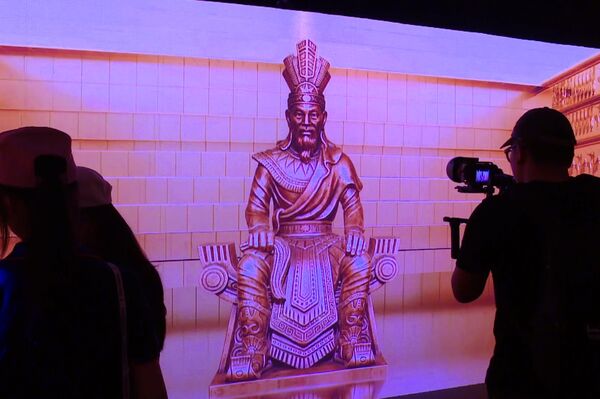
3D mapping brings Vietnam’s cultural heritage to life

The multi-sensory exhibition Giao thoi (Transition), featuring a state-of-the-art 3D mapping display with an interactive sensor system, is offering visitors an immersive journey through Vietnam’s cultural heritage. The exhibition has become a major attraction at the Vietnam Women's Museum.

Vietnam invites travellers on multi-sensory journey

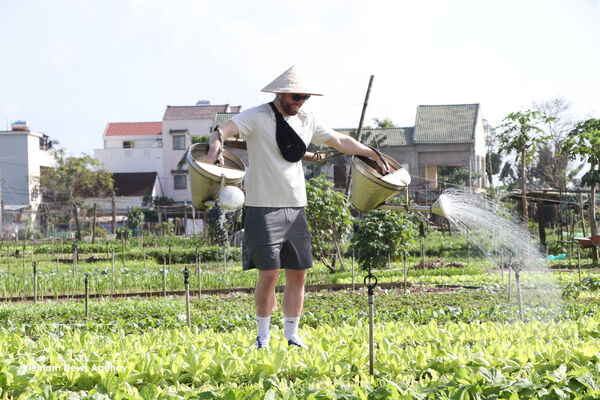
Vietnam's appeal lies not in a single attraction but in the seamless combination of authentic experiences rooted in local culture. From colourful highland markets and traditional festivals to centuries-old craft villages, all remain an integral part of everyday life.

Paris Vovinam club promotes Vietnamese culture in France

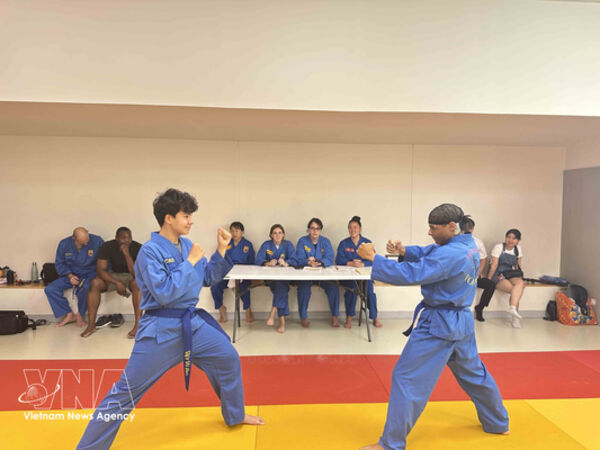
The club currently has nearly 50 members aged from seven to over 70, with regular training sessions held on Tuesday and Wednesday evenings, alongside extended weekend classes for both children and adults. The classes are led by a father-and-daughter team, assisted by between two and six instructors depending on the session.

Da Tong Stone Church: A unique landmark in Lam Dong

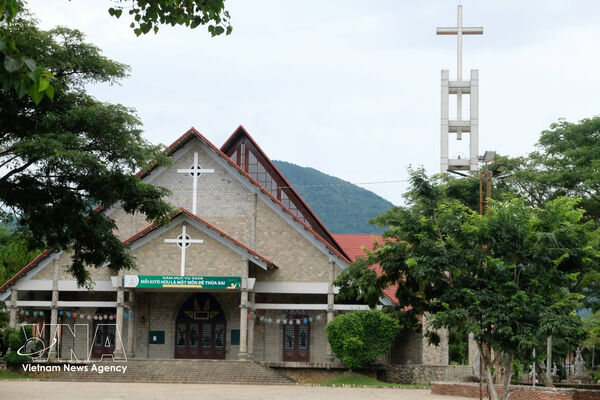
Constructed entirely from stone, Da Tong Church features a striking architectural style that combines elements of the traditional rong communal house and longhouse of the Central Highlands' ethnic communities. Its distinctive design and scenic setting have made it an increasingly popular attraction for both tourists and local residents.

A fusion of cultures: Unique architecture of Huyen Khong Pagoda in Hue

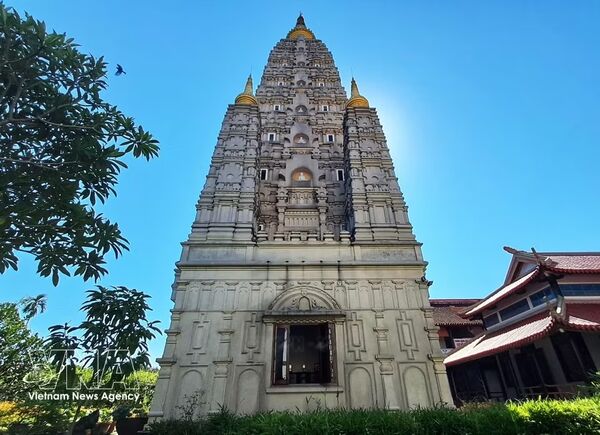
Nestled in Kim Long ward, about 10 kilometres from the centre of Hue, Huyen Khong Pagoda is a renowned spiritual site in Vietnam’s former imperial capital. Restored in 1978, the pagoda is distinguished by its unique architectural style, which harmoniously combines Japanese and Indian influences with Vietnamese cultural identity and the refined aesthetics of Hue’s royal heritage.

Manufacturing remains key driver of Vietnam’s economic growth in H1: NSO

The strongest first-half industrial growth since 2019 not only underscores the sector's solid recovery but also provides a firm foundation for Vietnam to sustain robust economic growth throughout 2026. With manufacturing continuing to lead, supported by improving demand, employment and production capacity, industry is expected to remain a key pillar of economic expansion.

Bau Truc pottery village keeps tradition alive

Bau Truc, one of the Cham ethnic people’s ancient pottery villages in the south-central coastal province of Khanh Hoa, still preserves its traditional method of using only hands and no pottery wheel. It is also the oldest pottery village in Southeast Asia to maintain the hands-only method, using tools made from bamboo, shells, and snails and colours derived from tree bark.