 |
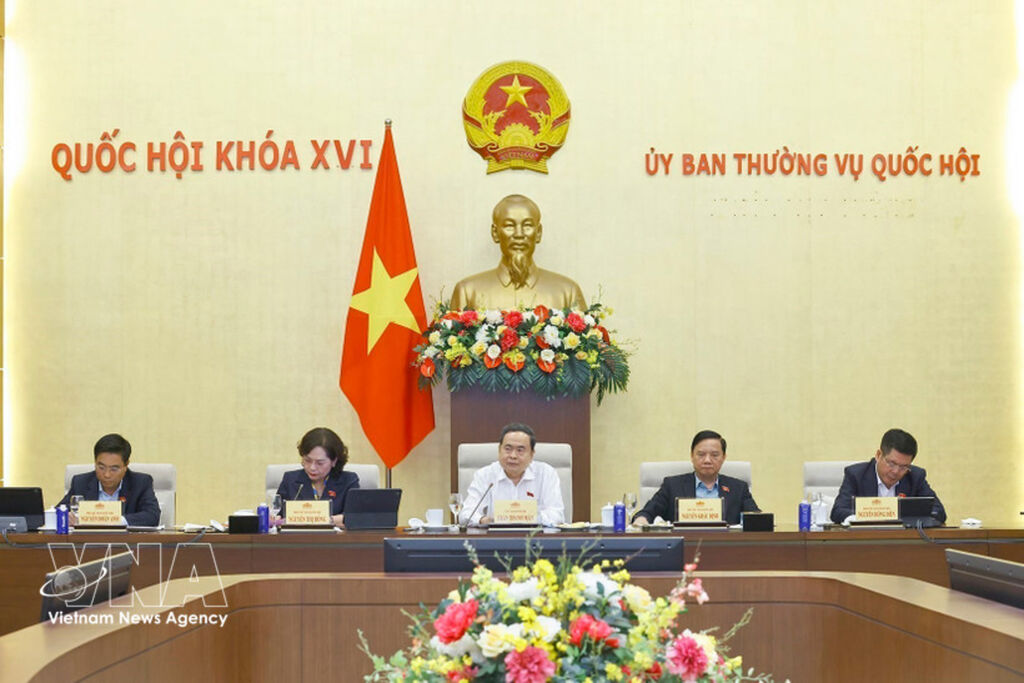
| NA Chairman Tran Thanh Man (c) speaks at the meeting of the NA Standing Committee on April 9. (Photo: VNA) |
Hanoi (VNA) – The National Assembly (NA) Standing Committee convened a session on April 9 to give opinions on a draft NA resolution on the promulgation of several provisions regarding environmental protection tax, value-added tax (VAT) and excise tax on petrol, oil and aviation fuel, aimed at stabilising prices and supporting the economy.
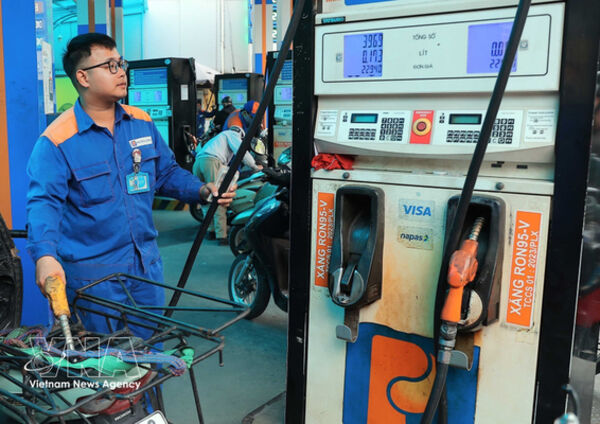
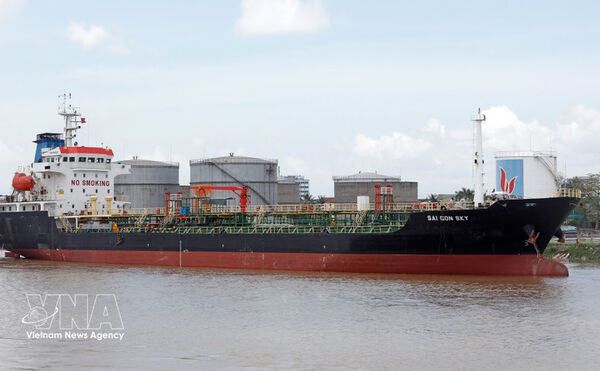
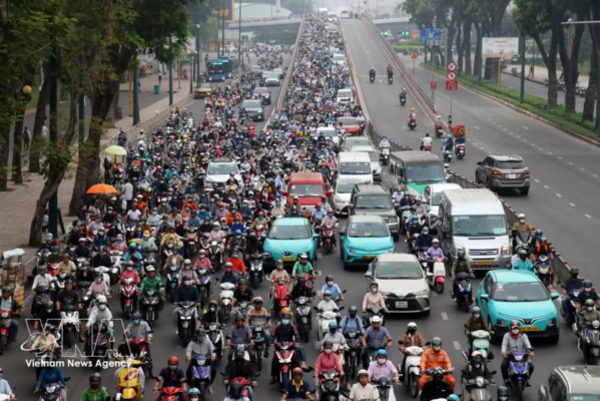
Presenting the Government’s proposal, Minister of Finance Ngo Van Tuan stressed that escalating tensions in the Middle East have triggered sharp fluctuations in global energy prices, particularly oil and gas, disrupting supply chains and pushing up crude oil prices. These developments have significantly impacted Vietnam’s fuel market, driving up retail prices in a short period and affecting business activities as well as daily life and income of people.
To address the situation, the Government has deployed fiscal measures, including issuing Decision No. 482/QD-TTg, which temporarily reduced the three taxes from March 26 through April 15, 2026. The move helped bring down fuel prices, but was designed only as a short-term emergency measure while geopolitical risks remain unpredictable.
The draft resolution, therefore, proposes a longer-term policy framework to help maintain macroeconomic stability, curb inflation and stabilise public sentiment. Under the proposal, the environmental protection tax on petrol (excluding ethanol), diesel, aviation fuel, kerosene and mazut will be reduced to zero Vietnamese dong per litre. These products will also be exempt from VAT declaration and payment while still allowing input VAT credit. In addition, the excise rate on petrol of all types will be cut to 0%.
The NA Committee for Economic and Financial Affairs, in its appraisal report, largely agreed on the necessity of issuing such a policy, noting that adjustments to these taxes fall under the NA’s authority. However, some members suggested that in the current volatile context, the Prime Minister should continue to proactively issue and implement flexible tax measures within his authority to ensure timely and effective responses to market developments.
Chairman of the Committee for Economic and Financial Affairs Phan Van Mai said the committee supports the Government’s proposal, recommending a comprehensive and coordinated approach, from price governance, transparency in fuel pricing components, and supply chain stability ensuring to inspection enhancement and stringent settlement of speculation and hoarding.
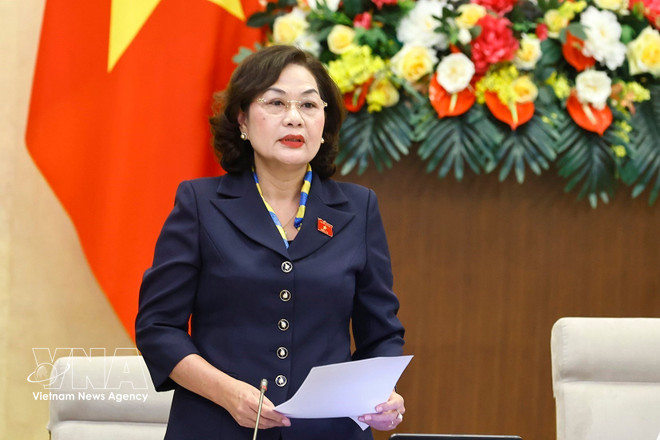 |
NA Vice Chairwoman Nguyen Thi Hong speaks at the session. (Photo: VNA)
Regarding the implementation timeline, most opinions supported applying the resolution from April 16 to June 30, 2026. Some suggested extending the duration depending on the Middle East conflict's impact on global fuel prices to better support economic stability and growth.
Many members also proposed granting the Government authority to shorten or extend the policy’s validity in line with practical conditions, ensuring flexibility and responsiveness. In urgent cases, the Government could be allowed to adjust tax rates and report to the NA at its nearest session.
In his remarks, NA Chairman Tran Thanh Man stressed the importance of ensuring adequate supply, maintaining market stability and optimising the operation of domestic refineries to avoid shortages. He underscored the need to prevent any economic disruption under all circumstances and asked for stricter action against speculation and hoarding.
NA Vice Chairwoman Nguyen Thi Hong, who chaired the session, said the NA Standing Committee generally agreed on the need for a standalone resolution as proposed by the Government to implement tax adjustments from April 16 to June 30, 2026. The policy is expected to provide timely and effective support to mitigate the impact of fuel shortages and price volatility on production, business activities and people’s life while contributing to macroeconomic stability and growth.
The NA Standing Committee assigned the Government to decide adjustments to the resolution’s duration and consider additional provisions for emergency situations which could be reported to the NA at its nearest session./.