Plan issued to develop agricultural logistics system
A key target is that by 2030, all concentrated agricultural, forestry and fisheries production areas will have access to essential services, including product traceability, quarantine, testing, quality certification, processing and market development. The move reflects growing international demand for stricter food safety, quality and traceability standards, which have become increasingly important for agricultural exports.
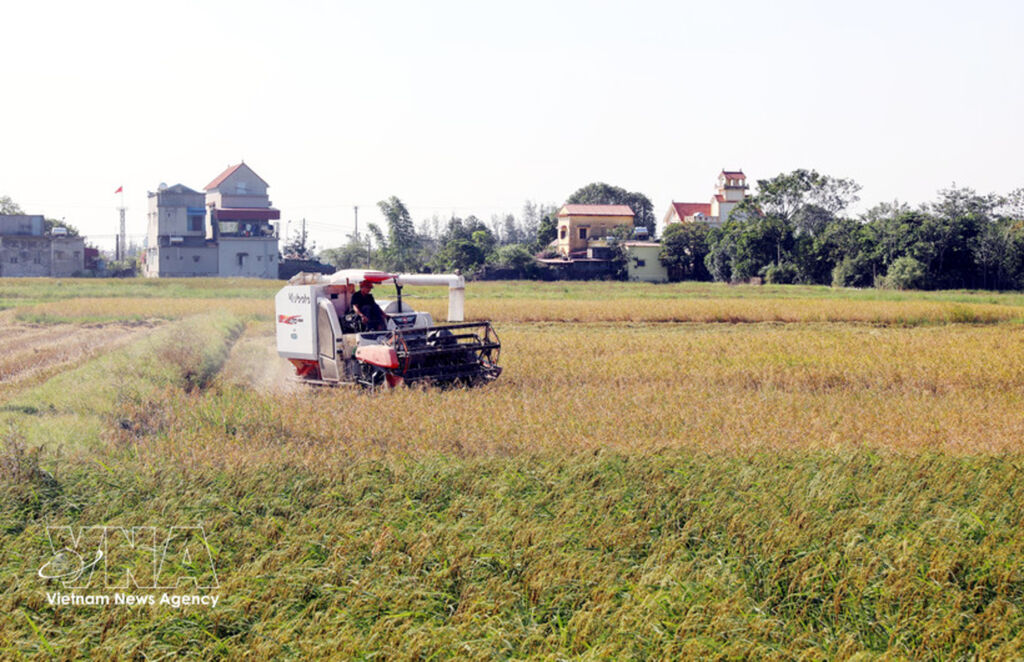
Rice harvest in Xuan Giang commune, Ninh Binh province. (Photo: VNA)

Hanoi (VNA) - The Ministry of Agriculture and Environment has issued a plan to develop the country's agricultural logistics system for 2026-2030, aiming to improve the quality and competitiveness of Vietnamese farm produce while laying the foundation for sustainable growth in the sector.

A key target is that by 2030, all concentrated agricultural, forestry and fisheries production areas will have access to essential services, including product traceability, quarantine, testing, quality certification, processing and market development. The move reflects growing international demand for stricter food safety, quality and traceability standards, which have become increasingly important for agricultural exports.

The plan also requires all 34 cities and provinces to incorporate agricultural logistics into their development strategies and allocate resources to expand warehouses, storage facilities, transport services and other infrastructure suited to local production. These networks will be linked with regional logistics hubs, seaports, expressways and border gates, helping strengthen supply chains and reduce fragmented development across localities.

Another major objective is for 80% of agricultural logistics enterprises to adopt digital technologies by 2030. The plan promotes the use of artificial intelligence (AI), blockchain and big data to improve cold-chain management, product traceability and real-time cargo monitoring. These technologies are expected to shorten delivery times, lower logistics costs and enable businesses to track shipments throughout the supply chain while responding more effectively to disruptions.

The ministry also encourages the development of green logistics networks connecting domestic regions with international markets through multimodal transport, aligning the agricultural sector with global trends toward sustainable and low-carbon supply chains.

Although Vietnam is a leading producer and exporter of many agricultural products, high logistics costs, inadequate cold-chain infrastructure and limited testing and traceability capacity continue to undermine export competitiveness. A modern logistics system is therefore seen as a critical step in transforming the country's production strengths into greater commercial value, enabling agricultural products to reach global markets more efficiently and with higher added value./.
Related News

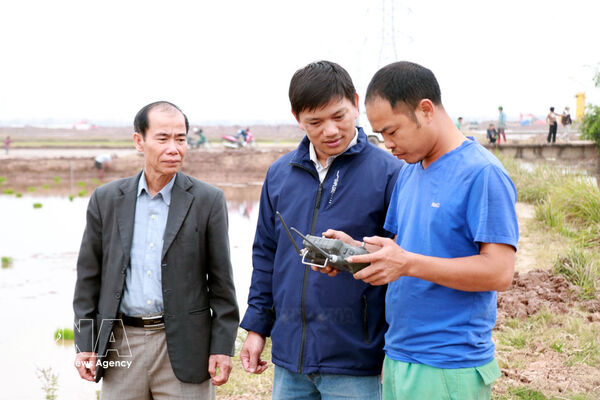
Young farmer brings technology to organic rice fields

Outstanding young farmer Luong Van Truong from Nghia Hung commune, Ninh Binh province, has applied a range of science and technology solutions in agricultural production, including ultra-fast germinating seeds, sprouted brown rice and no-tillage farming techniques. His innovations help increase the value of rice, protect the environment and promote modern agriculture, while inspiring local youth to pursue innovative start-ups.

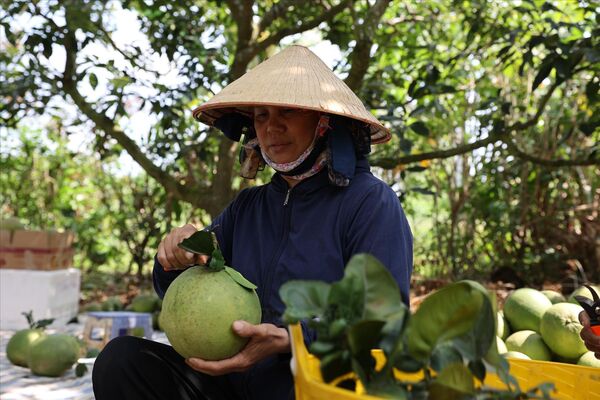
Vietnamese pomelos gain broader access to Australian market

The update by Australia’s Department of Agriculture, Fisheries and Forestry to its Biosecurity Import Conditions system (BICON) on April 10, officially setting out import conditions for Vietnamese pomelos, is regarded as a major milestone in market access efforts.

See Also

Digital governance transforms life in border commune of Dong Nai city

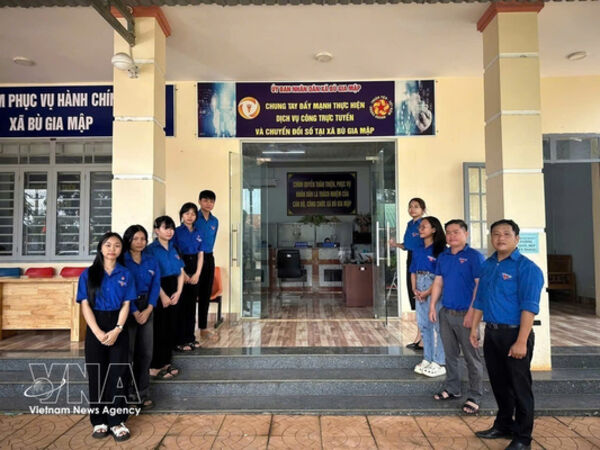
A year after adopting the two-tier local administration model, Bu Gia Map, a remote border commune in the southern city of Dong Nai with a significant ethnic minority community, has experienced notable improvements in public administration, making digital public services more accessible to residents and boosting governance efficiency.

500-day campaign brings hope to martyrs' families

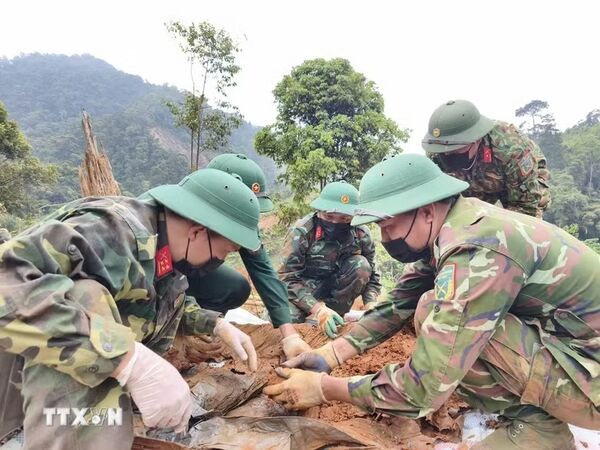
The 500-day campaign is a nationwide effort to recover and identify the remains of fallen soldiers. More than a search mission, it is a race against time to identify those who remain unknown through DNA technology. From central agencies and local authorities to organisations and citizens, people across Vietnam are joining forces to help bring the campaign to a successful conclusion, paying tribute to the nation's fallen heroes and their families.

Vietnam pushes circular tourism to drive green growth

Unlike conventional sustainable tourism, circular tourism goes beyond reducing environmental impacts. It embraces a regenerative approach in which every journey contributes to restoring ecosystems, preserving cultural heritage and strengthening the resilience of local communities.

Transparent digital marketplace created for businesses

Vietnam's e-commerce sector is entering a new phase of development as the Law on E-commerce officially takes effect on July 1. Beyond providing a clearer legal framework for online business, the new law is expected to address long-standing shortcomings, strengthen consumer confidence and support the sustainable growth of the digital marketplace.

Gia Lai steps up efforts to identify fallen soldiers

With support from the military, health workers and local authorities, the Central Highlands province of Gia Lai is intensifying its 500-day campaign to recover and identify the remains of fallen soldiers. Every DNA sample collected offers another chance to restore a name to those still listed as unidentified - bringing long-awaited answers to their families.