 |
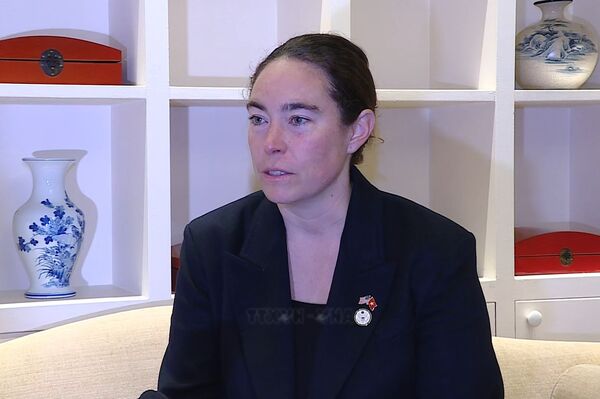
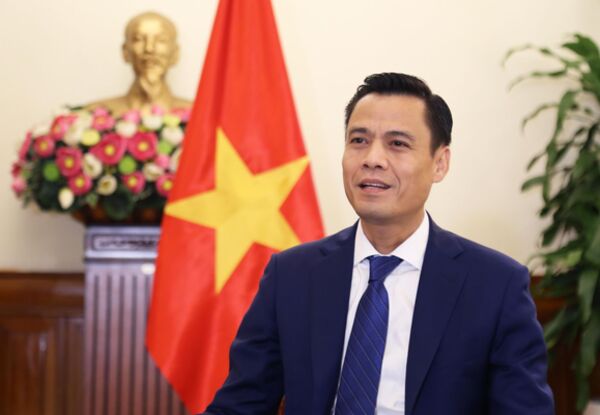
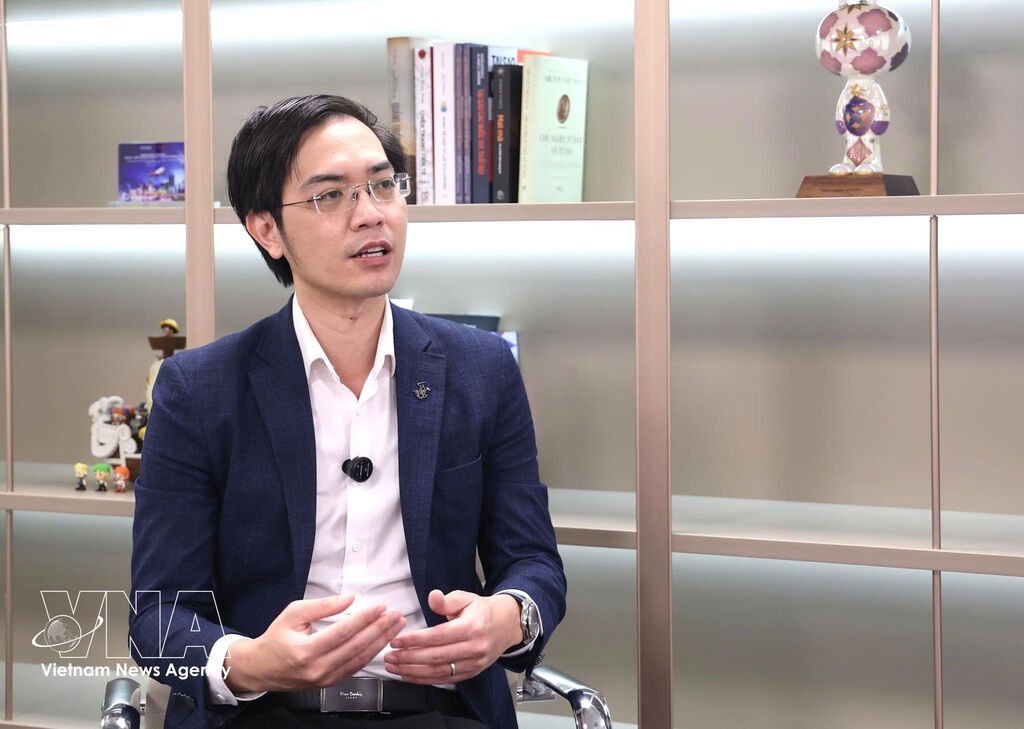
| Associate Professor Dr. Nguyen Huu Huan, Vice Chairman of the Executive Agency of the VIFC in Ho Chi Minh City, in an interview with the Vietnam News Agency. (Photo: VNA) |
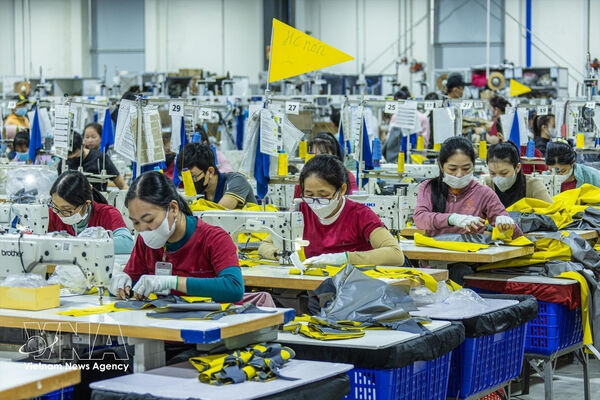
Ho Chi Minh City (VNA) – The Politburo’s Resolution No. 10-NQ/TW, issued on June 8, 2026, on the development of the foreign-invested economic sector, has been widely viewed as a milestone in Vietnam’s approach to attracting foreign investment. For the first time, this sector is officially identified as an integral component of the national economy and a key driver of growth, innovation and international integration.
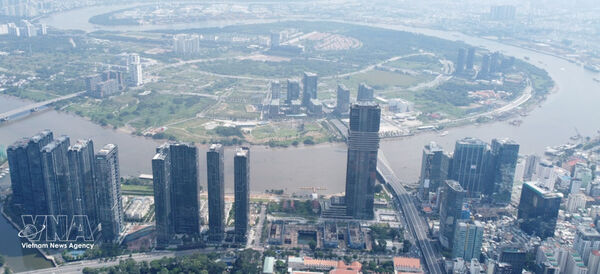
Against this backdrop, the Vietnam International Financial Centre (VIFC) is expected to play a pivotal role in attracting, connecting and channeling high-quality capital flows into the country.
Associate Professor Dr. Nguyen Huu Huan, Vice Chairman of the Executive Agency of the VIFC in Ho Chi Minh City (VIFC-HCMC), assessed that Resolution 10 reflects a fundamental shift in development mindset, from prioritising the volume of foreign investment inflows to developing a strategic national investment ecosystem.
Huan noted that the resolution links foreign-invested enterprises with broader national development priorities, including capital markets, international financial centres, free trade zones, innovation, data infrastructure, logistics and the growth of domestic enterprises.
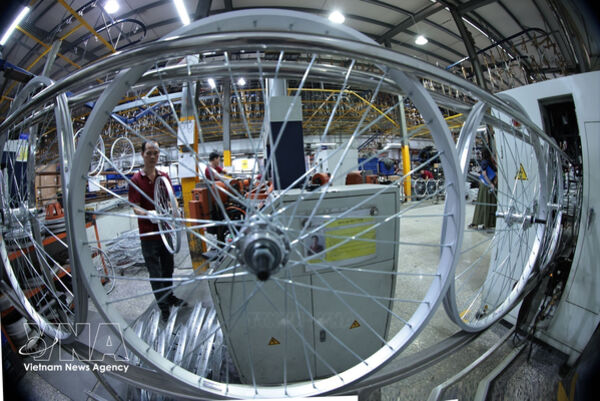
He explained that Vietnam is no longer positioning itself solely as a manufacturing destination but is increasingly seeking to attract higher value-added activities such as research and development (R&D), regional headquarters, advanced service industries and international financial operations. This approach, he said, would enable the country to integrate more deeply into global value chains and attract investment into innovation-driven and knowledge-intensive sectors.
In this context, the VIFC, particularly in Ho Chi Minh City, is expected to become a key platform for attracting next-generation foreign capital. Huan said the special mechanisms and institutional framework being developed for the centre will not only facilitate capital inflows but also support new models of capital mobilisation and allocation, generating greater value for the economy.
He also showed his belief that with these breakthrough mechanisms in place, Vietnam will not only attract greater volumes of high-quality capital but also gradually emerge as a regional hub for connecting and channeling global investment flows into Southeast Asia and the broader Asian region in the years ahead.
He noted that Vietnam currently has National Assembly Resolution No. 222/2025/QH15 on the VIFC, along with eight Government decrees providing implementation guidance. These are highly specific mechanisms that lay an important foundation for the VIFC to attract investment flows, particularly high-quality capital.
In practice, although Vietnam attracts a substantial volume of investment capital, especially in the manufacturing sector, many financial activities associated with these capital flows are still carried out in regional international financial centres such as Singapore, Hong Kong (China), and Dubai (the United Arab Emirates). As a result, the value added generated from financial services linked to investment flows into Vietnam has not been sufficiently retained domestically.
The establishment of the VIFC, therefore, will create opportunities for Vietnam to retain a larger share of these financial activities domestically. Services such as cross-border payments, insurance, capital management, fund management and asset management can increasingly be conducted within Vietnam, helping to deepen the domestic financial market and create additional economic value.
Regarding Vietnam’s readiness to develop the VIFC, Huan pointed to several advantages, including the country’s strong manufacturing base, abundant and increasingly skilled workforce, and strategic geographic location. He highlighted Vietnam’s expanding logistics network and major deep-water ports, such as Cai Mep–Thi Vai, as important assets supporting the country’s long-term financial centre ambitions.
At the same time, he acknowledged that Vietnam’s financial market remains relatively shallow and heavily reliant on the banking sector, which currently provides 70-80% of financing. To attract more international and high-quality capital, he stressed the need to further develop capital markets, expand financial products and improve overall market depth and competitiveness.
Huan said the VIFC has spent the past six months laying the groundwork for full operations. The centre has focused on four strategic pillars: aviation finance, maritime finance, a fintech hub and an international interbank system. Several major components have already been launched, including the Aviation Finance Centre in February, the Fintech Hub in April and the Maritime Finance Ecosystem in May.
He added that both domestic and international financial institutions have shown strong interest in participating in the VIFC. Once the operational framework is fully approved, these institutions will be able to commence activities immediately, helping to build a comprehensive financial ecosystem capable of attracting greater international capital flows into Ho Chi Minh City and Vietnam.
Huan emphasised that Ho Chi Minh City is poised to become an increasingly attractive destination for investors and global financial institutions. Beyond attracting capital, the VIFC is expected to serve as a magnet for innovation, technology and highly skilled talent, thereby creating new growth drivers and strengthening Vietnam’s position within global value chains./.