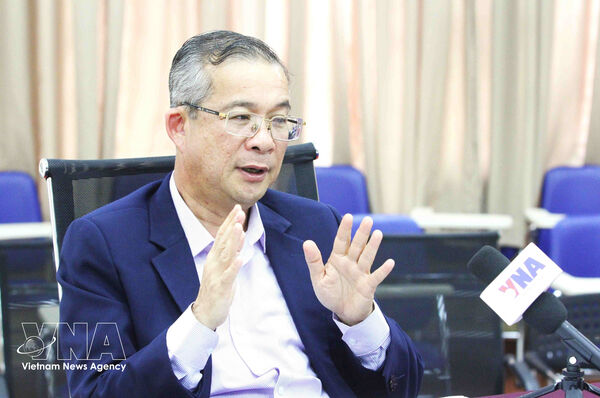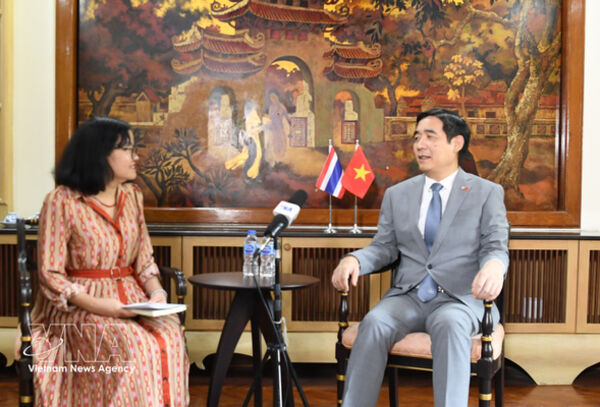
The attainments gained over 40 years of Doi moi come as the essence of the perseverance in independence, self-reliance, as well as the solidarity and creativity of the entire nation, said former Deputy Foreign Minister and former Vietnamese Ambassador to Cambodia Thach Du.
In the early years of renewal, Vietnam had fewer than 400 urban areas. Today, the figure has risen to more than 902 of various categories. The classification of cities has brought Vietnam’s urban system closer to international practice, while clearly defining the national and regional roles of major cities.
The 14th National Congress of the Communist Party of Vietnam (CPV) is not only an occasion to review the achievements already made, but also lay the foundation for the country’s strategic transformation in the new period.
Despite a volatile global environment, Vietnam recorded solid gains in 2025. With flexible and proactive policies under the leadership of the Communist Party of Vietnam and the Government, all 15 key socio-economic targets were met or exceeded, while GDP expanded by about 8.02%, surpassing expectations.
PM Chinh noted that in recent years, education in ethnic minority, mountainous and border areas has received special attention and priority investment from the Party, the State and Party General Secretary To Lam.
Resolution 79 is not only about SOEs. At a deeper level, it is about how Vietnam reorganises its development drivers in a world that is changing at breakneck speed.
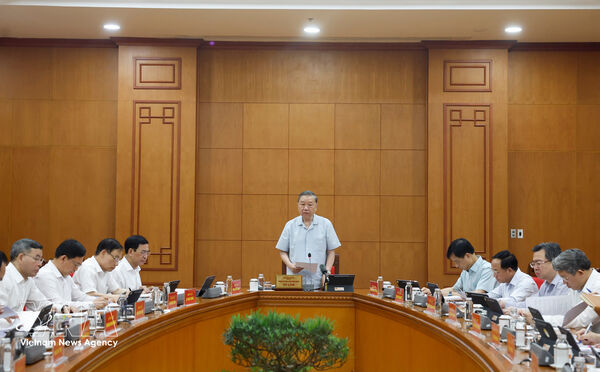
Chairing a working session with the Party Central Committee Office and relevant agencies on January 7 to review preparations for the Congress, Politburo member and Standing Member of the Party Central Committee’s Secretariat Tran Cam Tu commended agencies and units for their strong sense of responsibility and efforts in fulfilling assigned tasks in line with the plan.
First enacted in 2008, the Law on High Technology laid the foundation for the establishment of high-tech parks, the attraction of investment into key technological fields, and the promotion of research and development (R&D).
Clear strategies on sustainable and self-reliant development, coupled with continued investment in strategic infrastructure, especially digital, energy, and logistics, are expected to provide a solid foundation for Vietnam’s long-term advancement and deeper international integration by 2045.
Amid a volatile world with crises, disruptions to global economic links, and increasingly fierce strategic competition among powerful countries, the CPV’s coming congress is an important milestone where Vietnam will shape its development orientation, enhance the will, and select the path of action for the new period, said Ambassador Jorge Luis Mayo Fernandez.
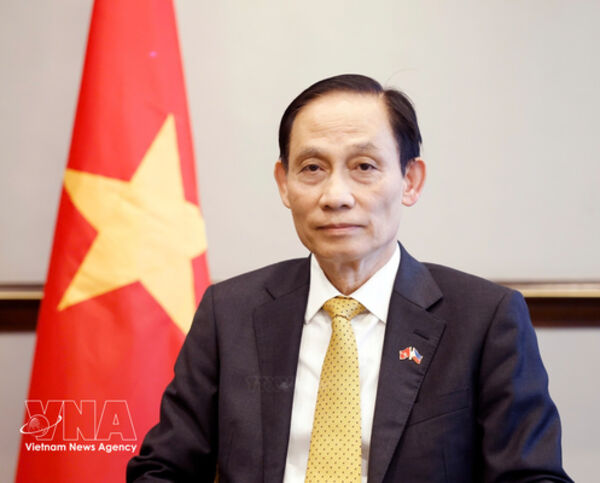
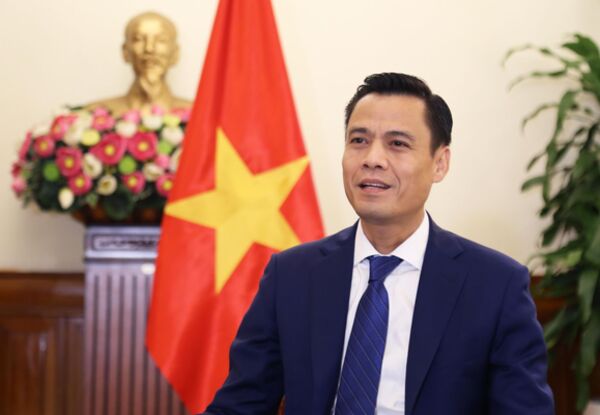
Vietnam's external affairs produced important and substantive results across bilateral and multilateral aspects and in various areas in 2025, said Minister of Foreign Affairs Le Hoai Trung.
Vietnam is entering a new developmental phase on firmer footing, with heightened stature and greater strategic space, though it must strengthen internal capacity and improve growth quality to weather future uncertainties.
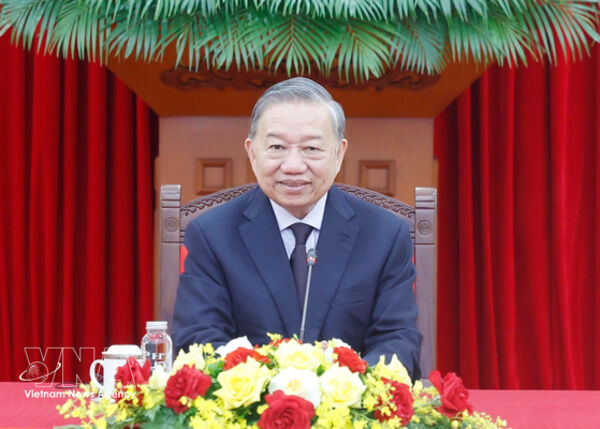
The National Data Centre No.1 has been positioned as a core and pivotal facility, serving as the “brain” and “heart” of the national digital transformation process, said Party General Secretary To Lam.
Patriotic emulation movements across the country have produced landmark achievements in the Ho Chi Minh era, including defeating the COVID-19 pandemic, completing the elimination of substandard housing four months ahead of schedule, building more than 3,000 kilometres of expressways, and advancing science – technology, innovation, and digital transformation.
The Party chief stressed that emulation movements must closely follow political tasks and specific goals, using results that benefit the people as the key measure of success.
The 11th National Congress of Patriotic Emulation is an extremely important political and social event of the country, aiming to summarise the patriotic emulation movement and commendation work in the 2021-2025 period, and to propose and launch the patriotic emulation movement for the 2026-2030 stage.
Assoc. Prof. Le Duc Anh from Tokyo University held that for fast and sustainable development, Vietnam should prioritise science – technology and innovation as the main driver of productivity, focusing on sectors with high spillover effects such as semiconductors, AI, data, new energy and materials, biomedical technology, automation – robotics, and cybersecurity.
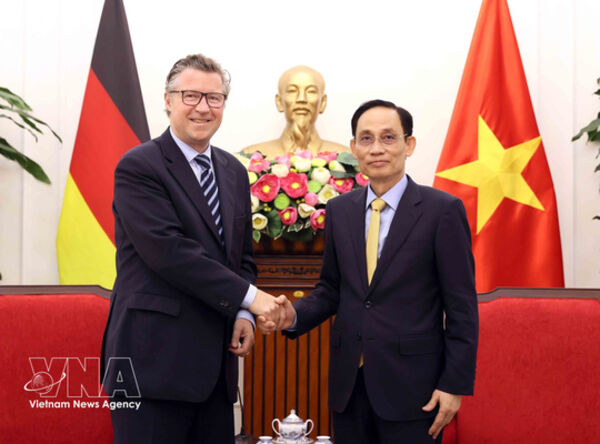
The Comprehensive Strategic Partnership between the two countries is gaining momentum, anchored in mutual trust and a shared commitment to regional stability and prosperity.
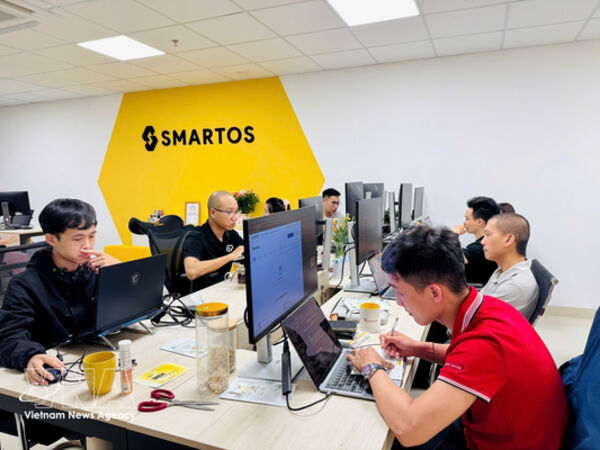
The digital economy is establishing itself as a pillar of Vietnam’s development process as it is expected to reach about 39 billion USD in 2025 and boasts one of the fastest growth rates in Southeast Asia.