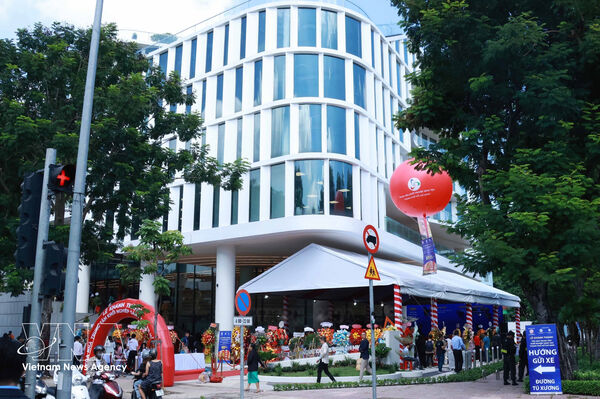
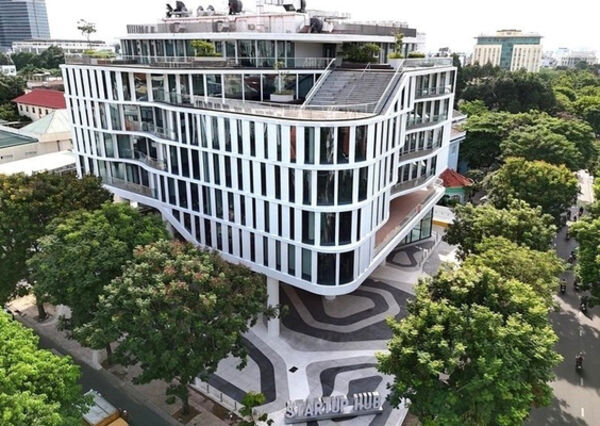
According to the Global Startup Ecosystem Index 2026 released by StartupBlink, Vietnam climbed five places to rank 50th globally, marking its highest position ever in the annual rankings.
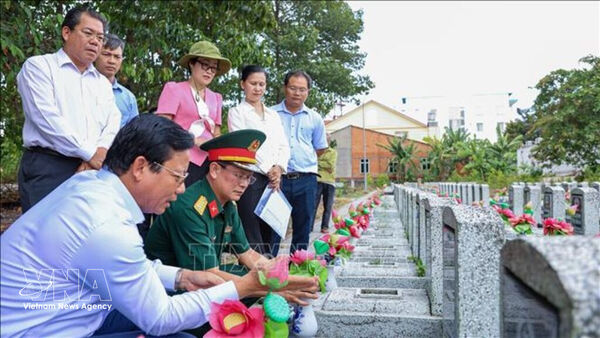
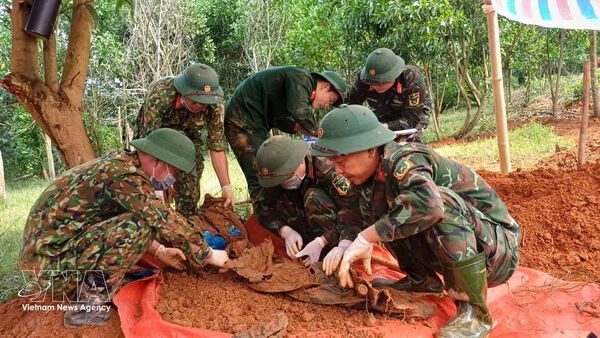
Under the province’s roadmap, authorities aim to locate and repatriate around 600 sets of remains by July 2027 while completing DNA sampling for unidentified graves and newly recovered remains to support identification work.
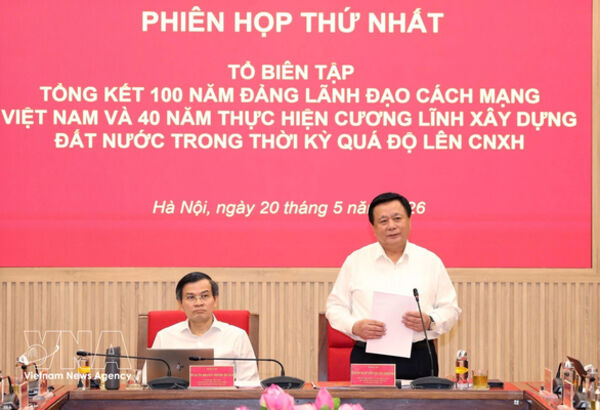
Politburo member Prof. Dr. Nguyen Xuan Thang described the review as a major strategic political task, adding that the process must deliver historical depth, theoretical vision, and strategic foresight to guide Vietnam toward fast and sustainable development in the decades ahead.
Under the campaign, authorities aim to recover around 7,000 sets of martyrs’ remains, complete sample collection from approximately 232,000 unidentified graves by the second quarter of 2027, and conduct DNA testing on around 18,000 sets of remains.
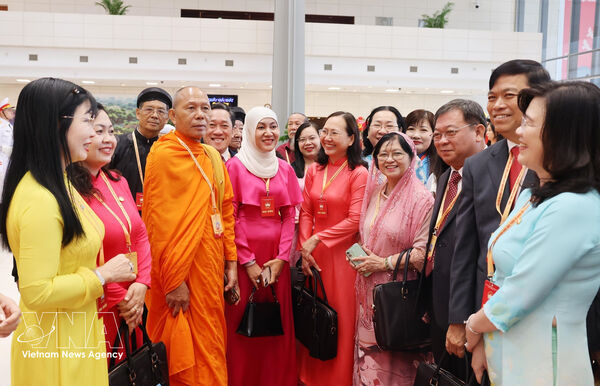
Delegates at the 11th National Congress of the Vietnam Fatherland Front (VFF) for 2026–2031 shared the view that applying artificial intelligence (AI) and digital transformation is an inevitable step for national development in the coming period.
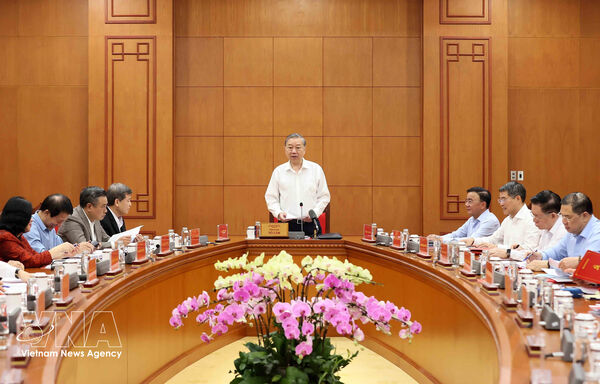
As the country enters a new development phase, the anti-corruption focus is shifting from strict punishment alone to prevention at the roots, while also protecting officials who dare to think innovatively and act decisively for the common good.
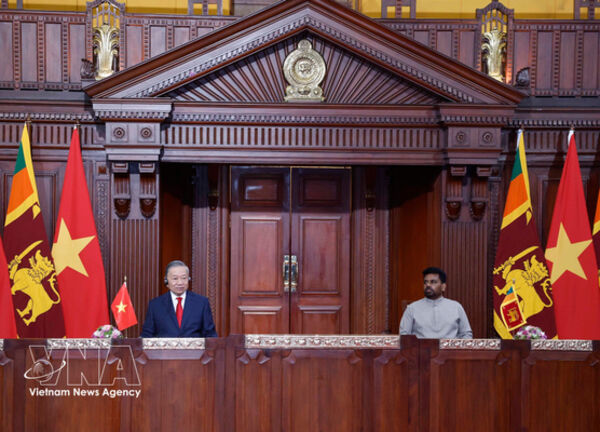
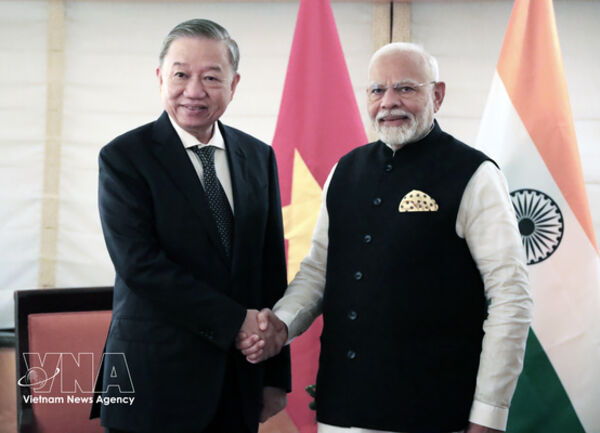
The two sides committed to further strengthening friendship and cooperation, deepening political trust at a high level, and expanding collaboration in a more comprehensive and substantive manner across all sectors.
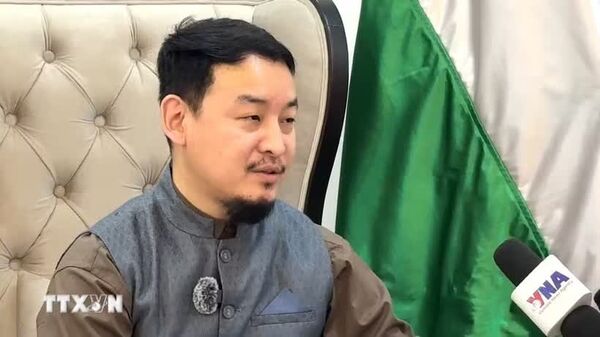
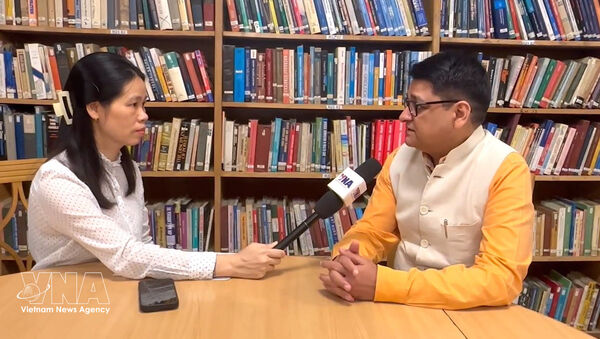
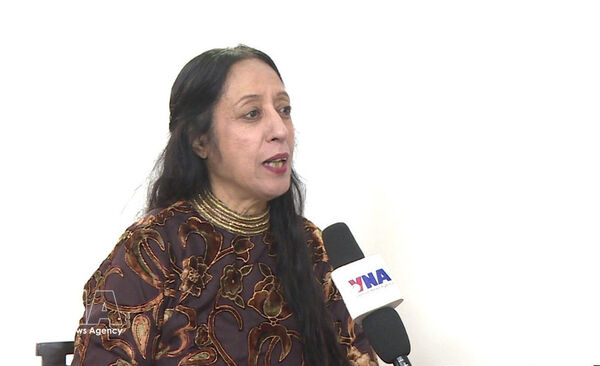
According to the ambassador, the visit coincides with the 10th anniversary of the establishment of the Comprehensive Strategic Partnership (2016–2026). Therefore, it is expected to provide an opportunity for leaders to review past achievements and shape future cooperation directions, especially in the context of both countries’ strong development trajectories and evolving regional and global changes.
With Vietnam–India ties resting on a solid foundation, the upcoming state visit by General Secretary of the Communist Party of Vietnam Central Committee and State President To Lam will play a pivotal role in shaping the next phase of relations toward deeper, more substantive and long-term strategic cooperation.
Over the past decade, the Vietnam–India Comprehensive Strategic Partnership has made strong progress, becoming increasingly substantive and comprehensive.
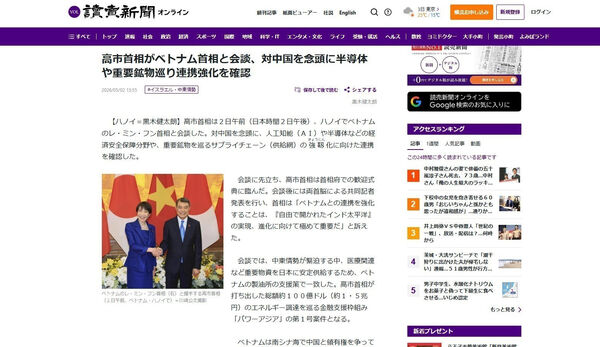
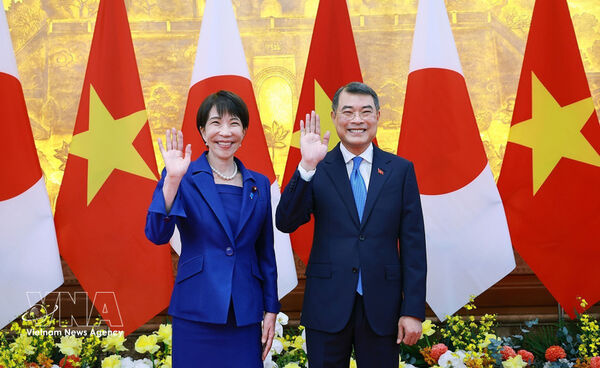
According to Nikkei, Prime Minister Takaichi affirmed that Japan will continue to promote the Comprehensive Strategic Partnership with Vietnam and coordinate efforts to build a “stronger and more prosperous” region.
General Secretary of the Communist Party of Vietnam (CPV) Central Committee and State President To Lam’s state visit to India from May 5- demonstrates Vietnam’s high regard for its Comprehensive Strategic Partnership with India and the broader South Asian region. It also offers a meaningful opportunity for both countries to review a decade of their Comprehensive Strategic Partnership framework and consolidate their multifaceted cooperation.
Noting the strong momentum in bilateral ties, built on solid political trust, extensive economic cooperation and growing people-to-people exchanges, PM Hung called for closer coordination to take the partnership to new heights and broaden collaboration across all sectors.
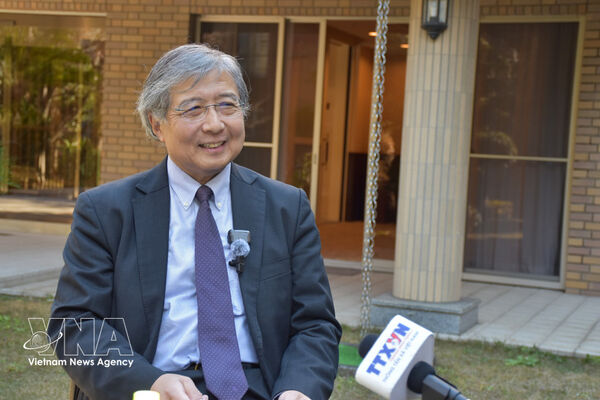
Vietnam, with the world’s sixth largest reserves of rare earths, is an indispensable partner in the field of critical minerals. Japan’s cooperation in Vietnam’s transition from a “raw material exporter” to a country with advanced processing and higher value added industries would benefit both sides.
The upcoming state visit to India by General Secretary of the Communist Party of Vietnam Central Committee and State President To Lam is expected to inject fresh impetus into Vietnam–India relations, ushering in a more substantive, comprehensive and forward-looking phase of cooperation.
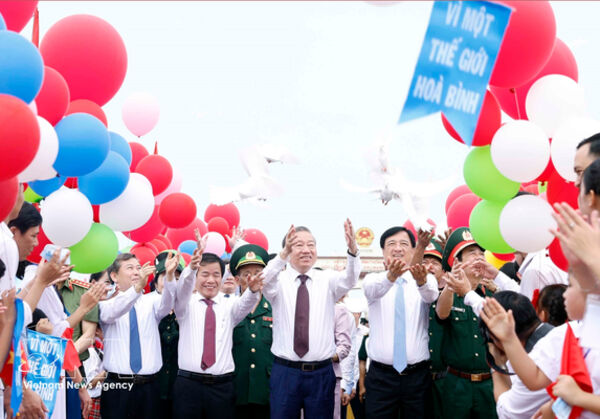
Hien Luong – Ben Hai is forever a sacred symbol of the will for national reunification, the aspiration for peace, and unwavering faith in the day when the North and the South would be reunited as one family, said a Quang Tri official.
Party General Secretary and State President To Lam affirmed that the Party and State consistently regard the working class as a highly important force in the cause of national construction and defence.