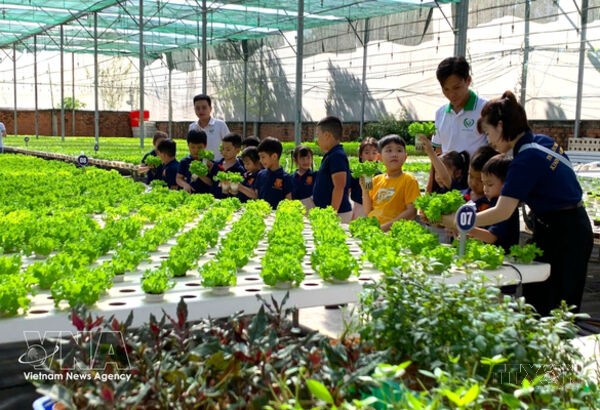
Resolution 57-NQ/TW has opened up new space and momentum for Vinh Long’s agriculture to transform towards modernity, sustainability and climate resilience.
Vietnam has been gradually moving away from a volume-oriented model towards an agricultural economy focused on value addition, quality, efficiency and sustainability.
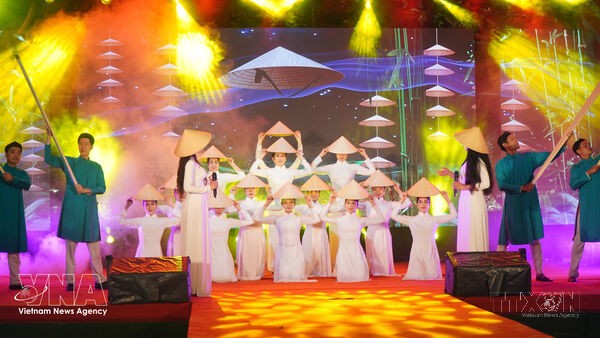
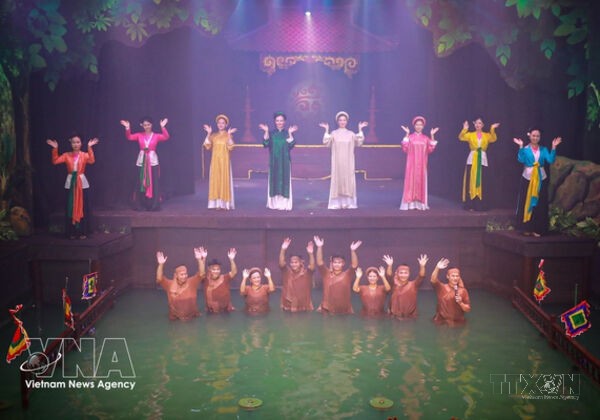
Ha noted that the upcoming congress is also expected to improve institutions and infrastructure for cultural industries, intellectual property and the creative economy sector. These fields are not only drivers of identity-based economic growth but also key tools for strengthening soft power and projecting the national image in an increasingly interconnected world.
By 2045, the sector is slated to account for 9% of GDP. Export value is forecast to rise 7% annually through 2030 and 9% thereafter, while the number of cultural enterprises is expected to expand 10% per year on average.
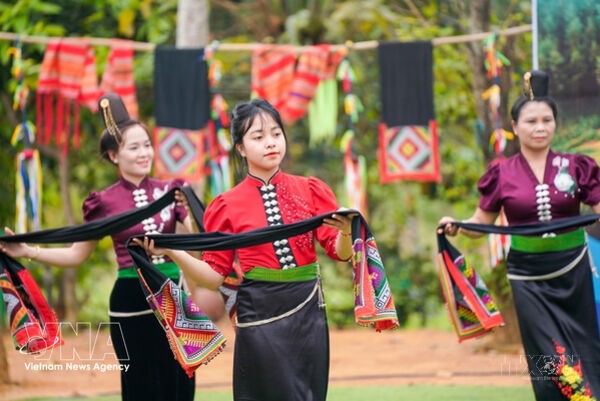
The activities aim to celebrate Vietnam’s diverse cultural identities, contribute to upholding traditional values, and foster exchange, solidarity, and mutual support among ethnic groups.
Beyond remaining a familiar destination for readers, Nguyen Van Binh Book Street in Ho Chi Minh City’s Sai Gon ward now contributes to the city’s nighttime cultural life, meeting the public’s demand for weekend recreation, cultural enjoyment and relaxation.
He emphasised that the sector must cultivate an advanced Vietnamese culture rich in national identity, promote well-rounded human development, and foster a humane, civilised, and modern cultural environment, ensuring that culture permeates society and serves as both a strong spiritual foundation and an internal driver of development.
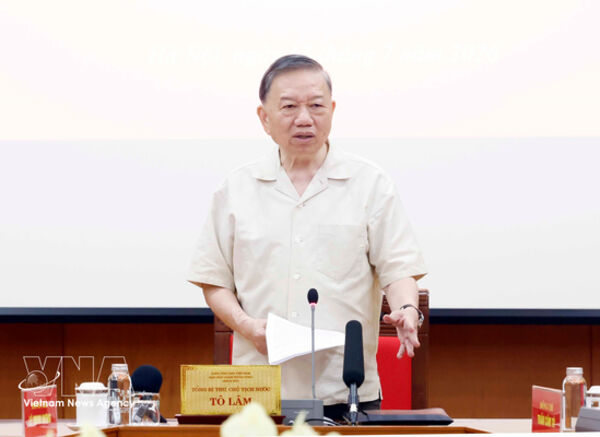
After 80 years since its founding and 40 years of “Doi Moi (Renewal), Vietnam is entering a new historical phase, described by Party General Secretary To Lam as the era of the nation’s rise.
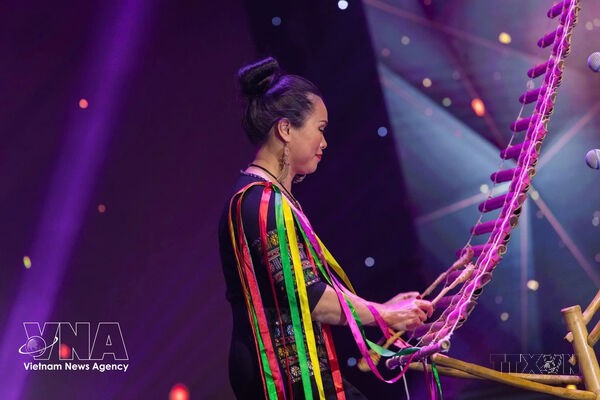
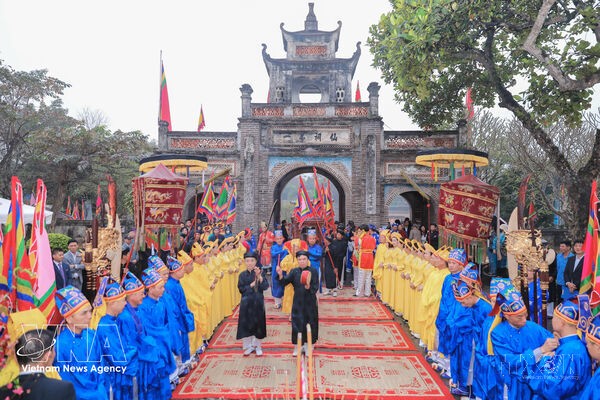
The Trong Doi, Cong Ba, Chieng Nam Festival in Xi Thoai hamlet, which takes place at the end of January each year, attracts strong interest from both locals and visitors thanks to the distinctive artistic expressions of Ba Na culture.
According to ADB, to realise its goal of becoming one of the world’s top 15 agricultural exporters by 2030, Vietnam will need substantial capital, estimated at nearly 100 billion USD. The newly signed 250 million USD loan package represents part of the solution to this challenge.
From the opening scenes, the film immersed viewers in a distinctly Vietnamese rhythm of life – Hanoi’s traffic sounds, the green of rice fields, fiery football stands, and folk melodies and monochord music echoing in a modern setting.
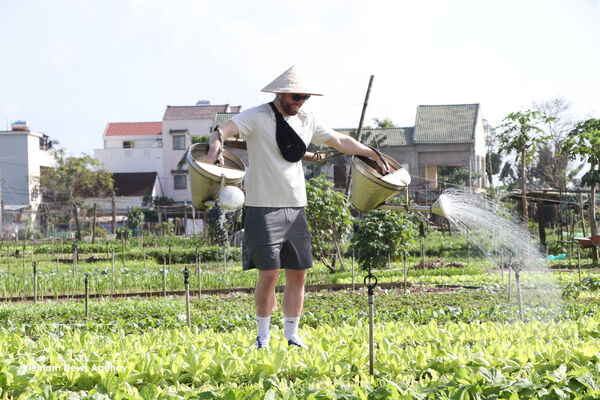
A flagship initiative is the Model Farm/Experimental Farm (DemoFarm) project, which will introduce advanced cultivation techniques tailored to local soil conditions.
Adapted from the novel by Chu Lai, ‘Red Rain’ draws inspiration from the 81-day battle to defend the Quang Tri Ancient Citadel in 1972. The film has stormed into the history books as Vietnam’s highest-grossing domestic film of all time, with 700 billion VND (nearly 26.5 million USD) in revenue.
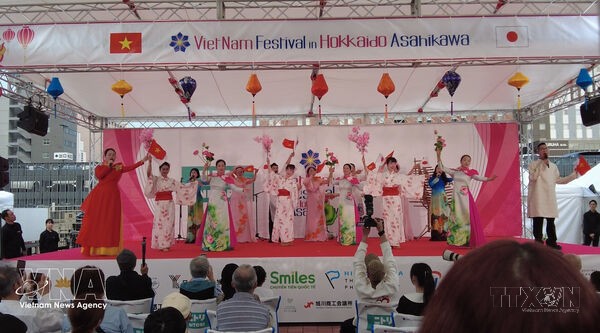
With its diverse cultural and entertainment activities, the Da Nang New Year Festival 2026 is expected to offer a unique festive atmosphere and further affirm Da Nang’s position as one of the region’s leading festival tourism destinations during the year-end holiday season.
The Autumn Economic Forum 2025 is expected to welcome Prime Minister Pham Minh Chinh, leaders of various countries, major enterprises and international organisations, creating an important platform to promote Vietnam’s image and discuss solutions for sustainable and digital-driven development.
highlights UNESCO’s pioneering role in making culture an independent pillar contributing to sustainable development at both national and global levels — a motivation to maintain peace, promote creative industries, and protect cultural diversity and inclusive economic growth, and enhance social cohesion.
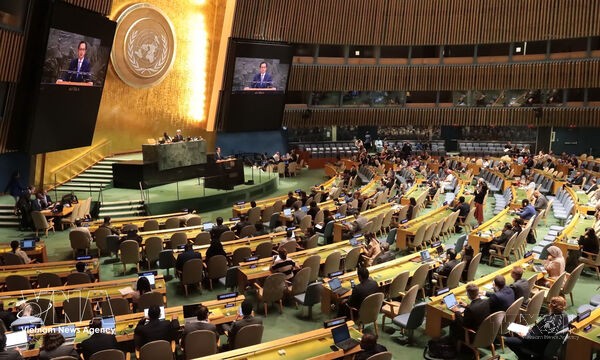
, proposed by Vietnam and other co-authors and supported by 71 countries, recommends that the United Nations General Assembly consider launching an “International Decade on Culture for Sustainable Development” as soon as possible, with priority given to the 2027–2036 period.