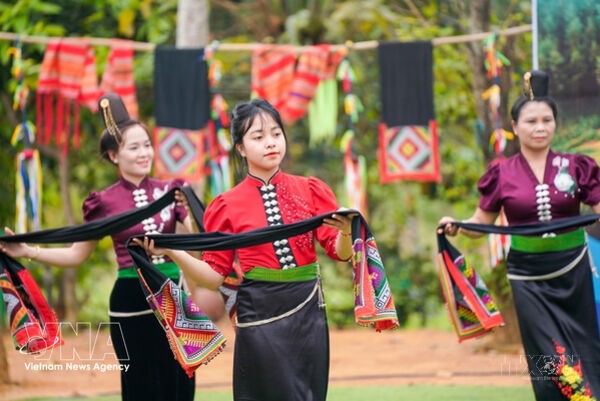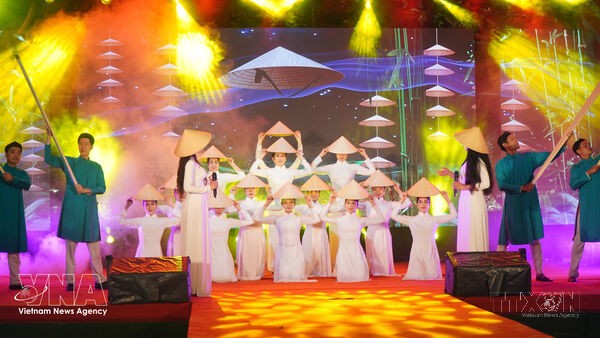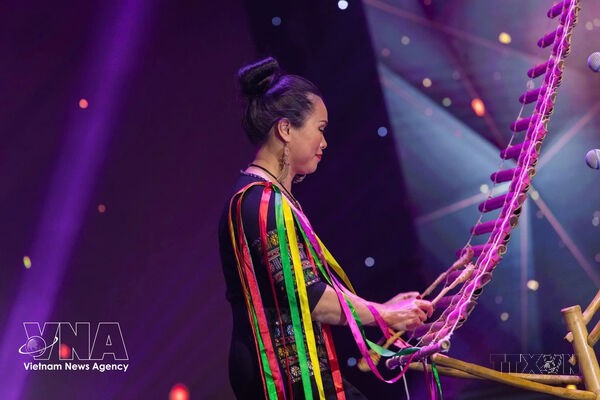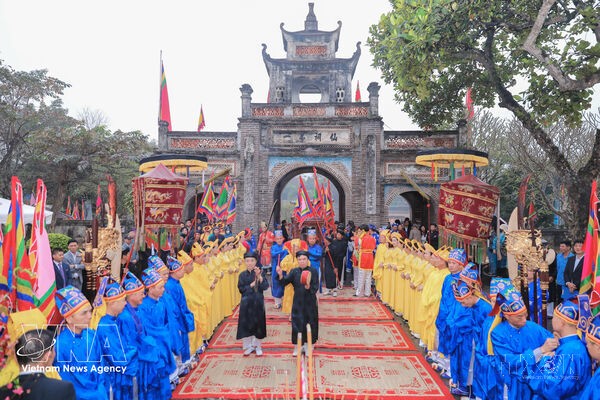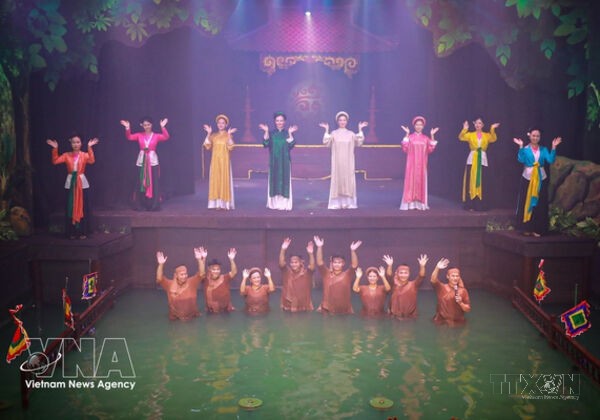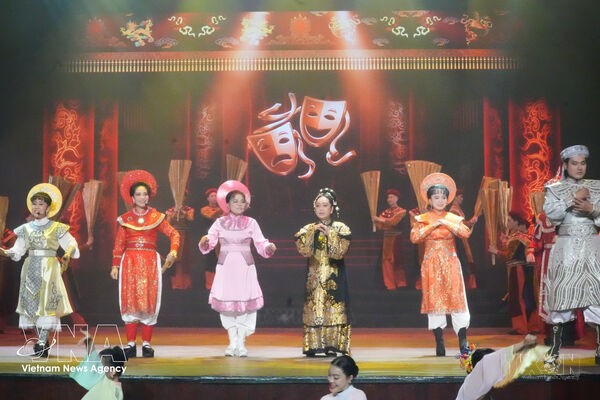
Culture is now regarded as a spiritual foundation, an internal strength, a resource and a key driver of sustainable development, not merely a field to be preserved and upheld.
Minh Ha Patmore, an artist from the Vietnam-Australia Cultural Exchange Organisation (VACEO), said overseas Vietnamese artists can serve as natural “cultural ambassadors”, connecting Vietnam with international friends through art.
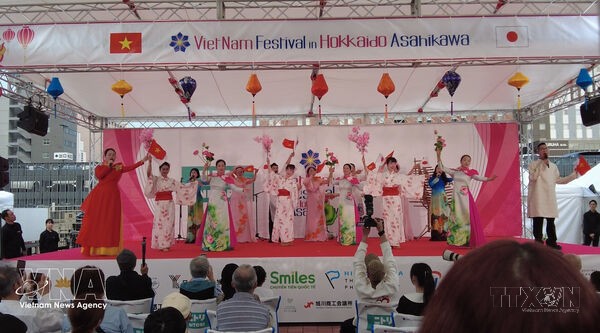
The first Vietnamese Cultural Festival in Asahikawa, Hokkaido, has attracted a large number of Japanese residents and members of the Vietnamese community, offering a vibrant showcase of Vietnamese culture and promoting people-to-people exchanges between the two countries.
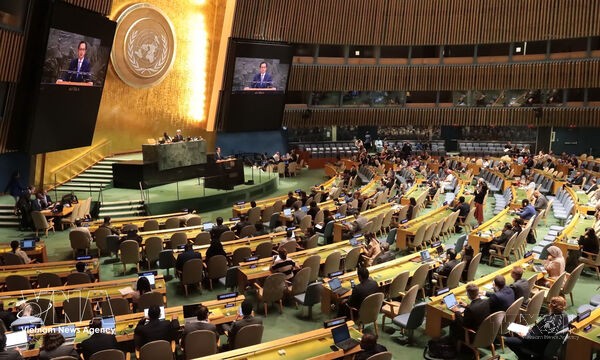
The resolution designates 2027–2036 as the International Decade of Culture for Sustainable Development, providing a long-term framework for countries and the international community to step up action and further integrate culture into development policies.
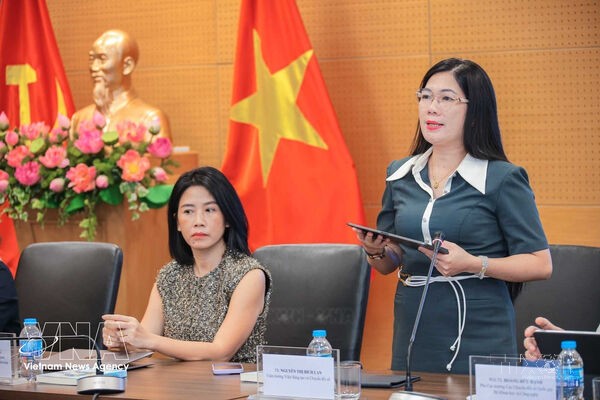
Director of the institute Dr. Nguyen Thi Bich Lan said the awards arrive as science, technology, innovation and digital transformation reshape how cultural values are preserved, created and spread.
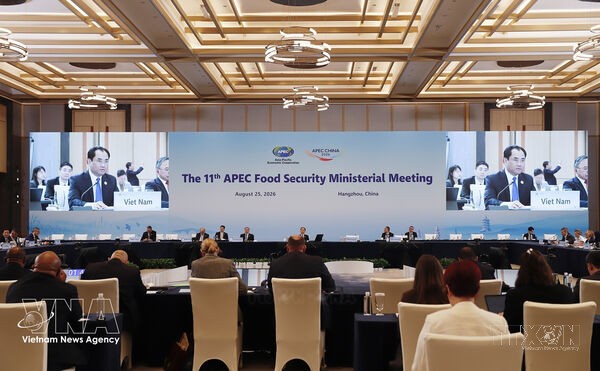
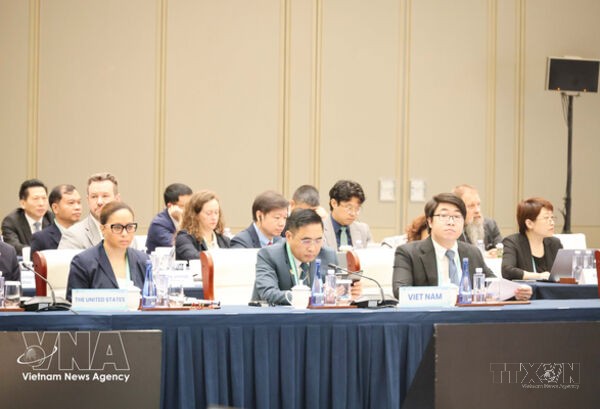
Vietnam’s proposals at the 11th APEC Food Security Ministerial Meeting, which took place in Hangzhou, China received broad support and consensus from participating economies. Several members expressed their desire to work with Vietnam to further build consensus, with a view to ensuring that the APEC Food Security Ministerial Meeting in Vietnam in 2027 will produce a shared vision and a substantive action programme.
The goals are part of the ministry’s administrative reform plan for 2026-2030, which seeks to build a modern, streamlined and effective administration centred on serving people and businesses.
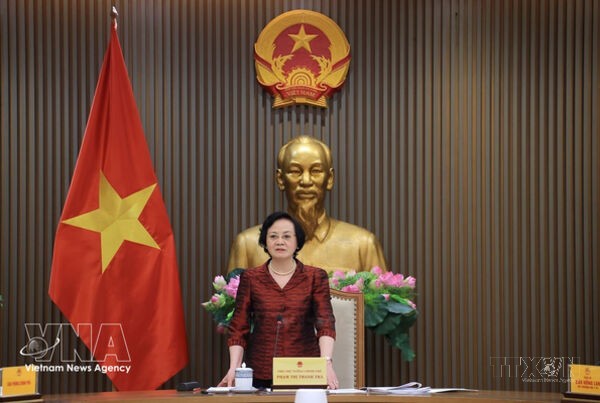
Chairing a conference of the National Committee on Aging in Hanoi on August 17, Deputy Prime Minister Pham Thi Thanh Tra, who is also its Chairwoman, said the Party and State pay special attention to elderly affairs. At the same time, awareness across the entire political system and society has become increasingly clear, comprehensive and positive.
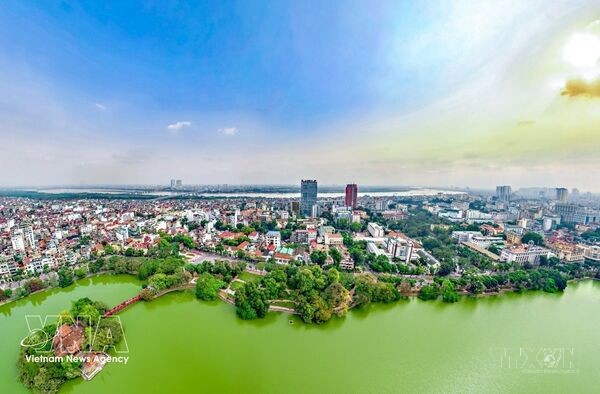
In the Hanoi Capital Master Plan with a 100-year vision, culture is identified as the core value underpinning the entire plan, serving as an endogenous resource, a source of soft power, and a driving force for the capital city's sustainable development strategy.
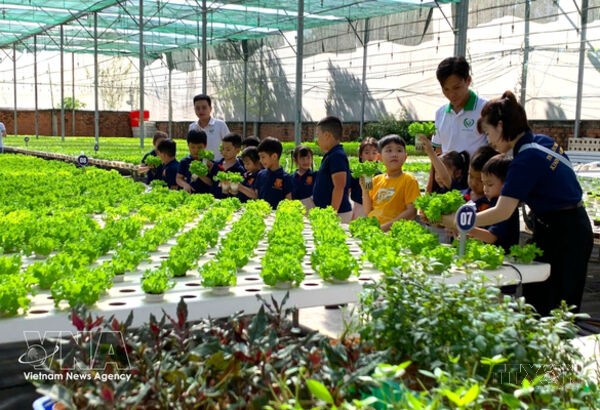
Vietnam views sustainable forest management as the fundamental, long-term solution to building self-regenerating forests that adapt to climate change while continuing to deliver essential ecosystem services to citizens.
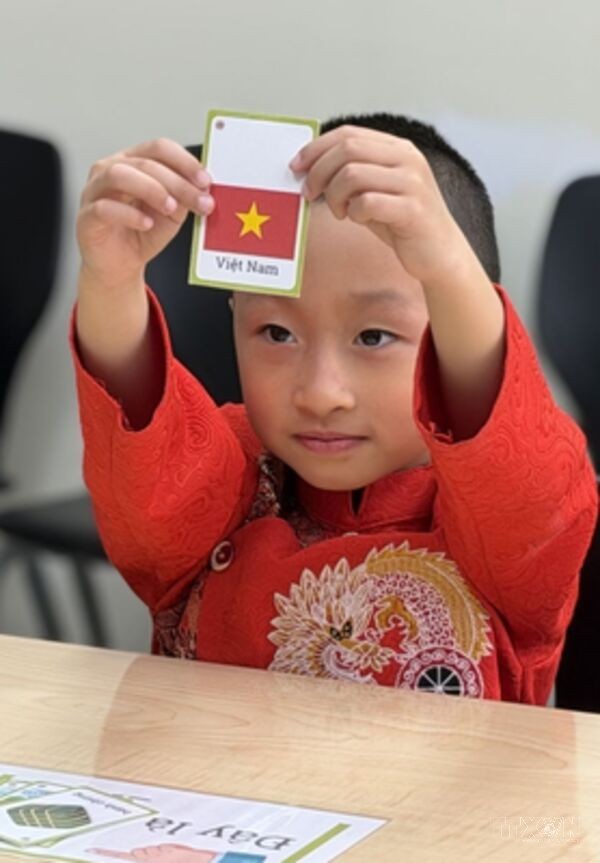
Phan Thi Quynh Trang, CVCEC founder and project coordinator, said the project aims to provide a fundamental and sustainable solution to the lack of standardised, systematic Vietnamese-language education models and the fragmented, spontaneous nature of existing teaching activities.
The initial results in heritage conservation, digital transformation, cultural industry development and artistic creativity facilitation suggest that Resolution No. 80 is gradually taking effect across the country.
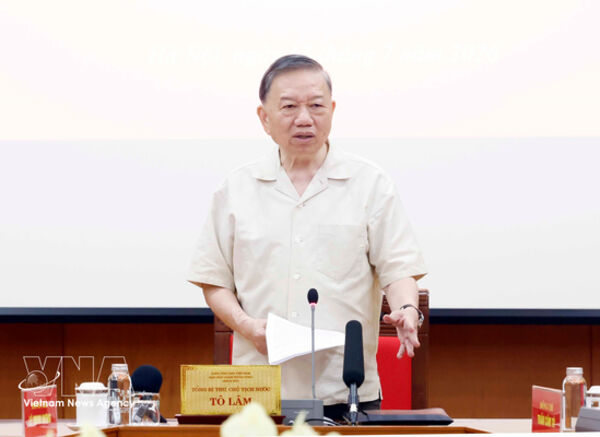
Artists and cultural experts shared the view that the top leader's guidance at the second meeting of the Central Steering Committee for the Development of Vietnamese Culture not only reviewed the initial implementation of the Politburo's Resolution No. 80-NQ/TW but also identified four major gaps requiring urgent action and three strategic shifts to unlock the full potential of culture.
Drawing on Party General Secretary and State President To Lam's detailed and practical guidance, artists and researchers voiced confidence that Vietnamese culture will undergo a sharp transformation and truly become both a spiritual foundation and a key driver of sustainable development in the new era.
Party General Secretary and State President To Lam pushed for a shift from a focus on traditional spaces to cultivating culture in both physical and digital spaces, and from simply prioritising preservation to striking a close balance between preservation with innovation.
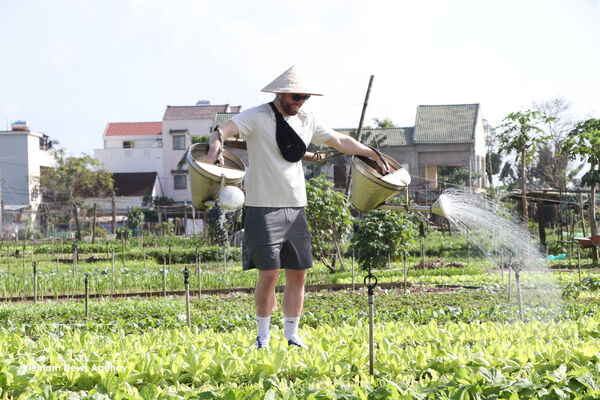
Vietnam's appeal lies not in a single attraction but in the seamless combination of authentic experiences rooted in local culture. From colourful highland markets and traditional festivals to centuries-old craft villages, all remain an integral part of everyday life.
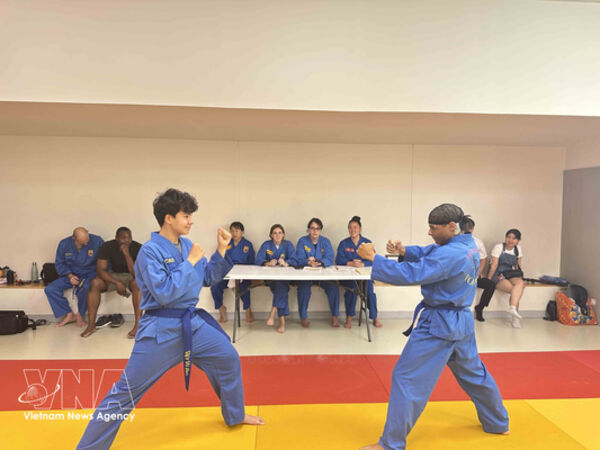
The club currently has nearly 50 members aged from seven to over 70, with regular training sessions held on Tuesday and Wednesday evenings, alongside extended weekend classes for both children and adults. The classes are led by a father-and-daughter team, assisted by between two and six instructors depending on the session.
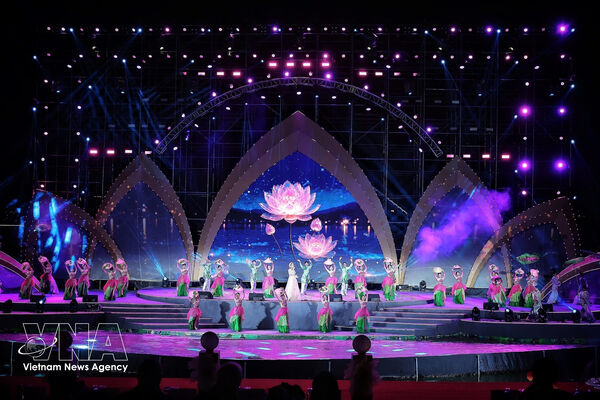
The festival is part of Hanoi's strategy to boost its cultural industries by transforming cultural heritage into a driver of socio-economic development while preserving and promoting the city's traditional cultural values.
Lorient Mayor Fabrice Loher said the festival offers an opportunity for the public to discover the richness of Vietnamese culture while fostering dialogue, mutual understanding and stronger community ties through art and cultural activities.
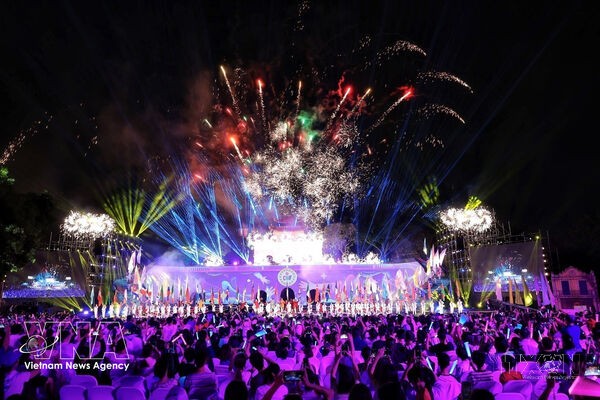
The annual event is one of Bulgaria’s largest international cultural festivals, attracting more than 20,000 visitors, including local residents, international tourists and members of Asian communities living and working in the country.