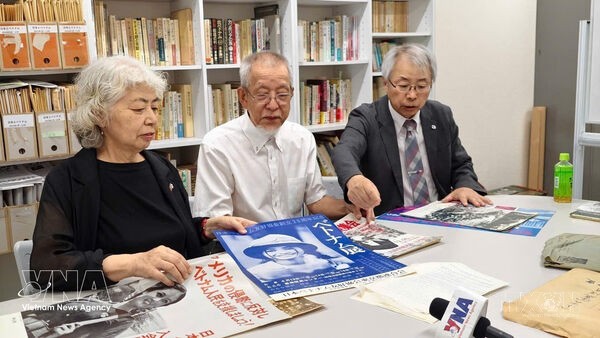
At the association’s office in Tokyo’s Toshima district, faded posters and archived photographs brought back memories of a meaningful youth for members looking back on the past.
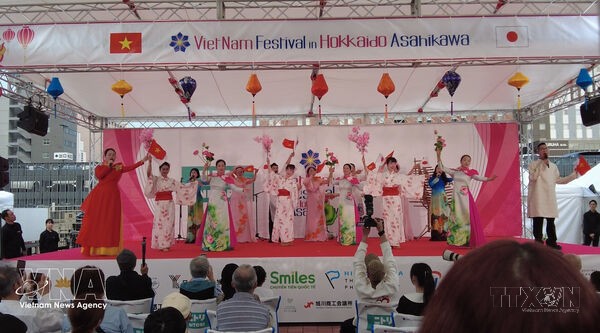
The first Vietnamese Cultural Festival in Asahikawa, Hokkaido, has attracted a large number of Japanese residents and members of the Vietnamese community, offering a vibrant showcase of Vietnamese culture and promoting people-to-people exchanges between the two countries.
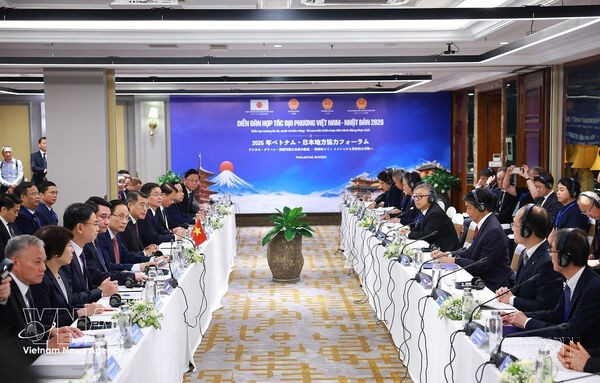
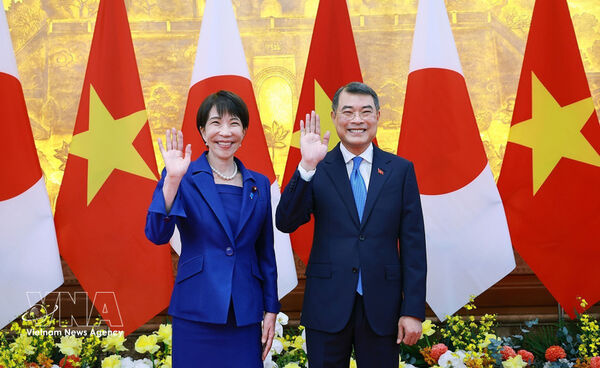
Prime Minister Le Minh Hung emphasised that local collaboration is an important and distinctive feature of Vietnam-Japan relations, and that the Vietnamese Government considers it a practical and effective channel that contributes to the overall development of bilateral ties.
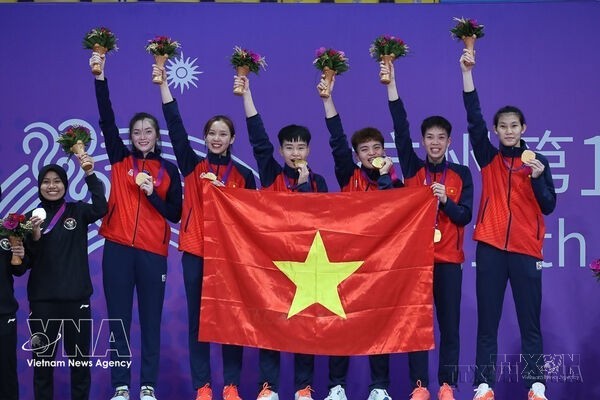
The delegation comprises top athletes competing in key sports including athletics, shooting, swimming, martial arts (wushu, karate, taekwondo and jujitsu), sepak takraw, rowing, canoeing, football, volleyball, golf, fencing and weightlifting. It will also include officials, doctors and international experts.
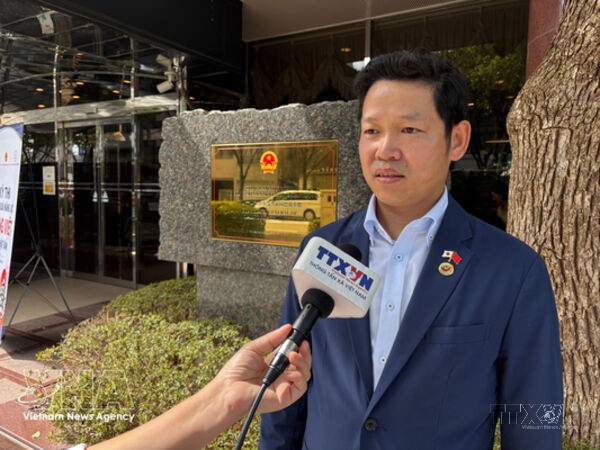
Tran Trung Kien, Secretary General of the Vietnam-Japan Economic Cooperation Promotion Association (VJECPA) noted that Japan has many strengths that match Vietnam’s development needs, particularly in technology, manufacturing, supporting industries, automation, high-tech agriculture, healthcare, elderly care, education and training, digital transformation, green industry and the circular economy.
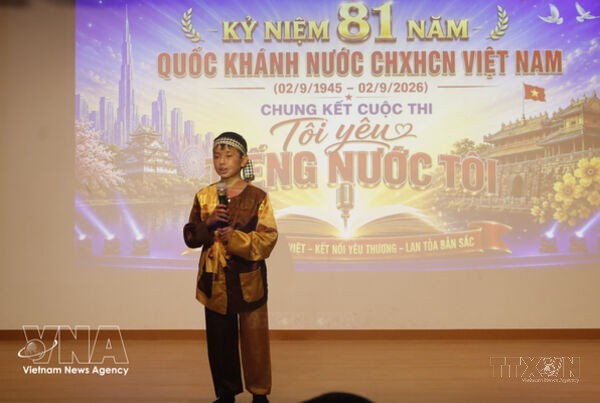
The contest aims to preserve, practise, and promote the Vietnamese language within the Vietnamese community in Japan, with a particular focus on the younger generation born or raised in the host country. Furthermore, it serves to implement the Politburo’s Resolution No 23-NQ/TW, dated August 2, 2026 on the affairs related to overseas Vietnamese in the new era.
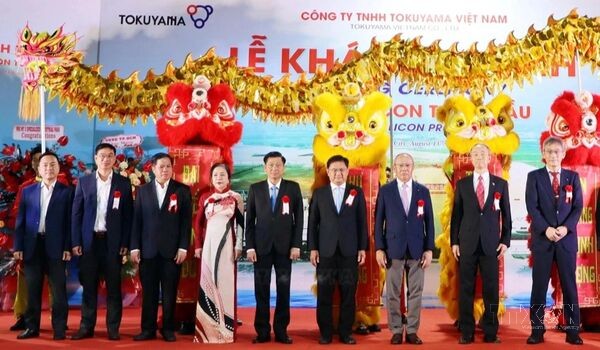
Tokuyama's Vietnam plant, inaugurated last week, will grind, clean and analyse polysilicon, an essential raw material for semiconductor wafers. Tokuyama is investing 60 million USD in the facility, which is ultimately expected to reach an annual capacity of 4,000 tonnes.
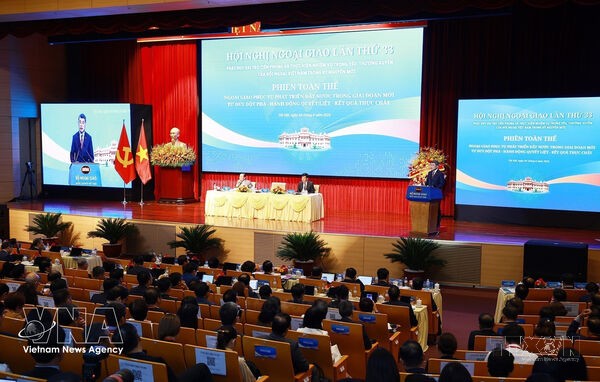
Speaking on the occasion of the 33rd Diplomatic Conference, ambassadors from Laos, Japan, the Philippines, China and South Africa highlighted Vietnam's growing international standing, its foreign policy of independence and self-reliance, and its commitment to peace, cooperation and sustainable development.
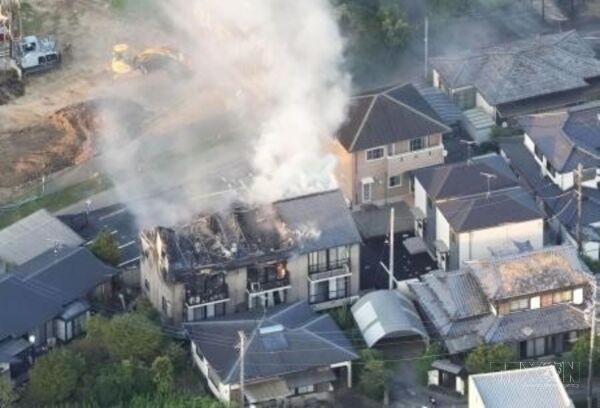
Vietnam’s representative offices in Japan immediately contacted local authorities through the international affairs divisions of Kumamoto, Kagoshima, Oita and Miyazaki prefectures, as well as Vietnamese community associations in the affected areas, to assess the situation and stand ready to provide timely assistance for Vietnamese citizens impacted by the disaster.
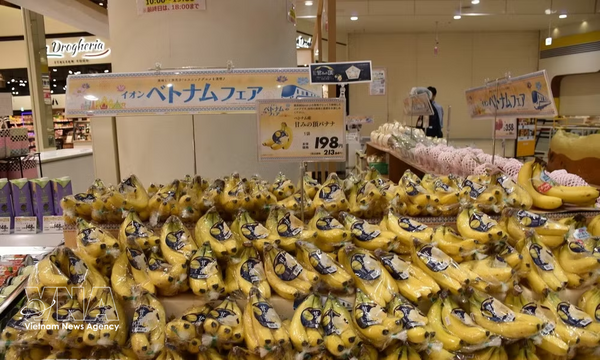
Speaking at the opening ceremony, Deputy Minister of Industry and Trade Phan Thi Thang highlighted the significance of 2026, which marks a decade of cooperation between the ministry and AEON in organising Vietnam Week in Japan.
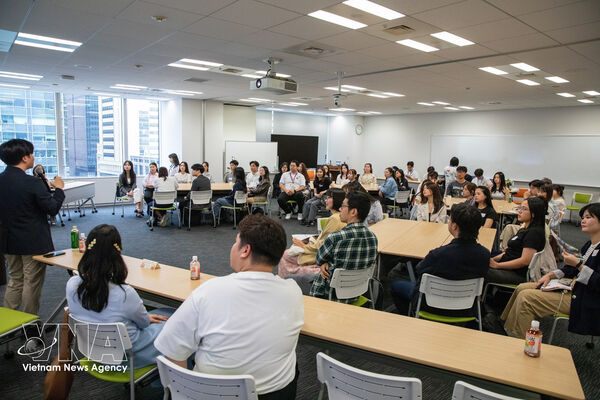
As one of the VPJ’s signature community programmes, the gathering created opportunities for young Vietnamese to engage with experienced professionals who have established successful careers in Japan. Participants gained first-hand insights into career planning, workplace culture and life in the country, while interacting directly with speakers through open discussions.
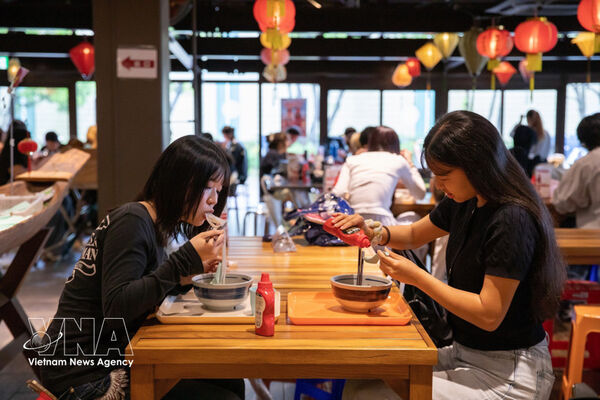
The Vietnamese dish has been served at the university cafeteria for a two-week period beginning May 18, allowing students to experience and learn more about Vietnamese cuisine.
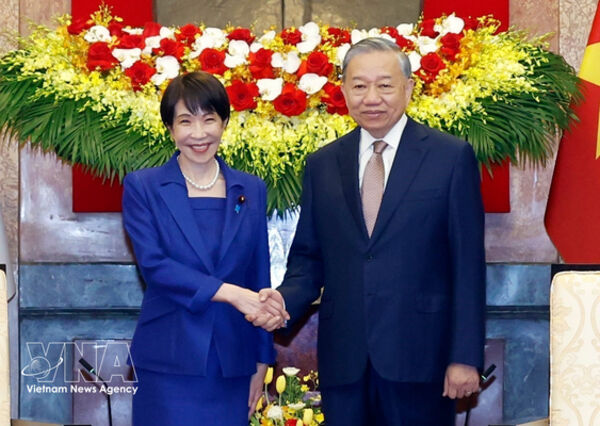
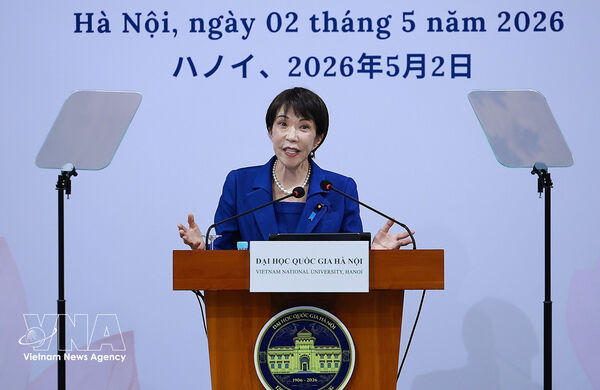
Speaking to the press in Canberra on May 4, the Japanese PM stressed that during her visits to Vietnam and Australia, in addition to deepening personal trust among leaders, she and the leaders were able to reach agreement on advancing concrete cooperation toward their shared objective of enhancing national resilience and autonomy, and becoming stronger and more prosperous together as a region.
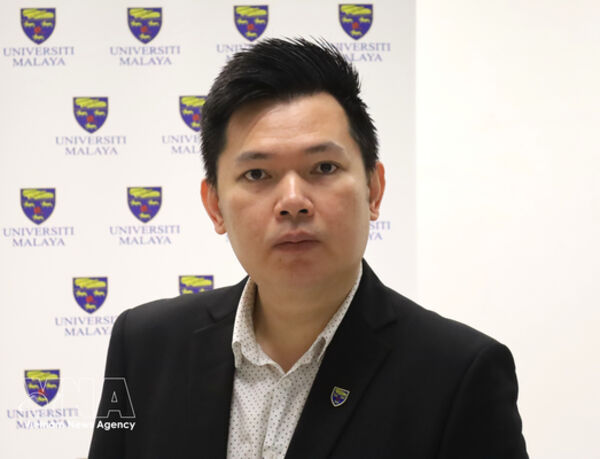
Collins Chong Yew Keat of the University of Malaya said the visit reflects growing convergence between the two countries as they seek greater strategic autonomy, supply chain resilience, energy security and geopolitical balance amid rising regional uncertainties.
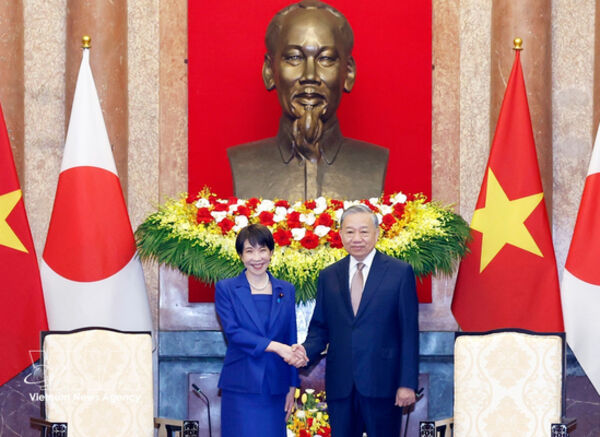
According to Nikkei, Prime Minister Takaichi affirmed that Japan will continue to promote the Comprehensive Strategic Partnership with Vietnam and coordinate efforts to build a “stronger and more prosperous” region.
Commenting on Vietnam’s economic progress, PM Takaichi expressed admiration for the country’s rapid rise. Ten years ago, “Made in Vietnam” typically referred to clothing and textiles. Today, however, numerous global companies have established a presence in Vietnam, and many of the gadgets supporting youth culture are now manufactured here. Moreover, many of these electronic products incorporate cutting-edge Japanese technology in their core components.
The Vietnamese leader highlighted the substantive and wide-ranging cooperation between the two sides, underpinned by high political trust, effective coordination and the establishment of multiple dialogue mechanisms across economic, diplomatic, security and defence fields.
Noting the strong momentum in bilateral ties, built on solid political trust, extensive economic cooperation and growing people-to-people exchanges, PM Hung called for closer coordination to take the partnership to new heights and broaden collaboration across all sectors.
Vietnam, with the world’s sixth largest reserves of rare earths, is an indispensable partner in the field of critical minerals. Japan’s cooperation in Vietnam’s transition from a “raw material exporter” to a country with advanced processing and higher value added industries would benefit both sides.
Vietnam attaches great importance to the increasingly close and effective Comprehensive Strategic Partnership with Japan, as well as the close and foundational ties between their Communist Parties, Ambassador Do Hung Viet has said.