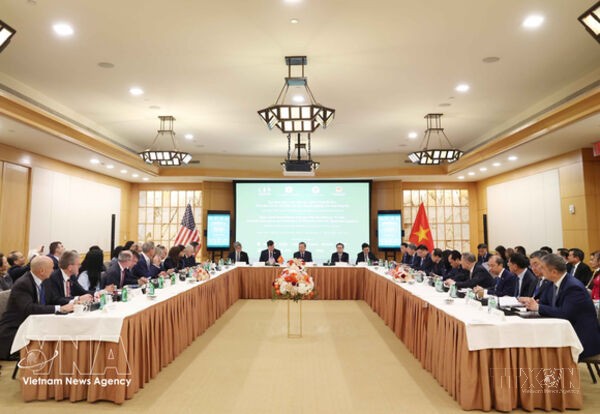
The jury unanimously voted on July 24 to confer the prestigious award on the Vietnamese leader, citing his role in "strengthening peace and cooperation among nations."
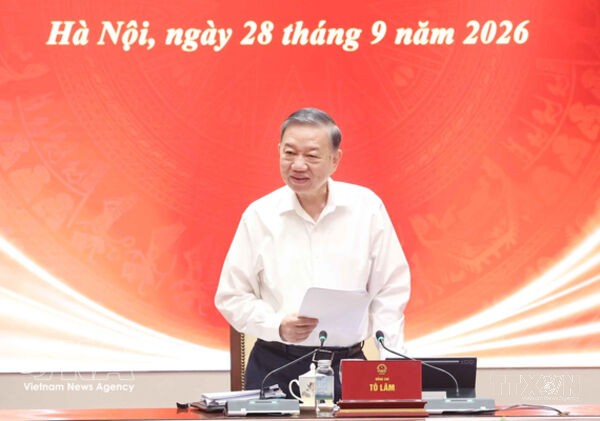
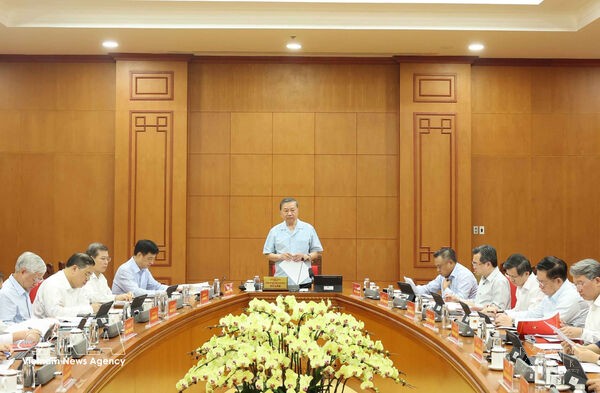
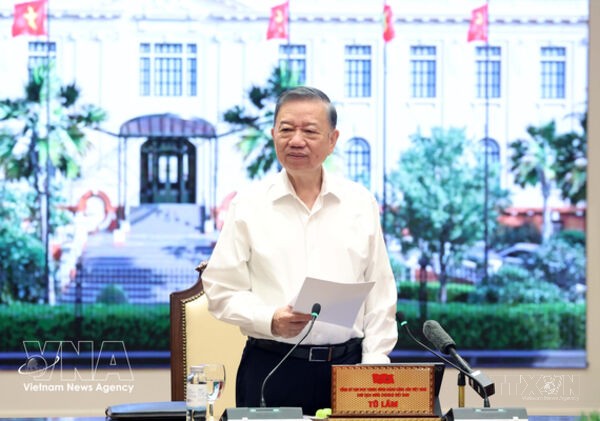
Every decision must clearly identify the lead agency, responsible focal point, authority, conditions for implementation, timeline and expected outputs, the General Secretary and President stressed.
More than a year after Vietnam embarked on its sweeping administrative restructuring, the country's governance system has undergone significant changes. The administrative apparatus at all levels has been streamlined, intermediate layers reduced, and the functions, responsibilities and authority of state agencies gradually clarified. Greater decentralisation has also strengthened the role of grassroots authorities.
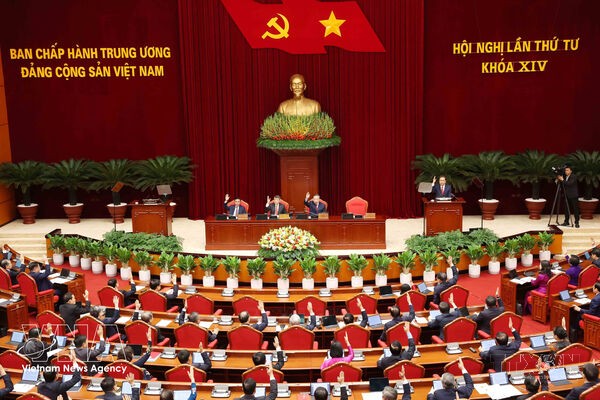
The session is to discuss important issues in implementing the 14th National Party Congress’s Resolution, along with items covering Party building, political system and national development in the new stage.
Party General Secretary and State President To Lam on July 15 affirmed that caring for revolutionary contributors is both a political responsibility and a moral obligation, calling for more comprehensive and timely policies to ensure that those who sacrificed for the nation receive the care and respect they deserve.
Vietnam's growth model, long fueled by low-cost labour, resource extraction, contract manufacturing, expanded investment, and capital accumulation, has run out of road. The country now needs a sweeping reform agenda to shift from extensive growth to a model driven by productivity, knowledge, science and technology, innovation, and digital transformation.
He called for a fundamental shift in thinking, saying prison management should move beyond merely controlling inmates within detention facilities to managing the entire rehabilitation process, from admission to release.
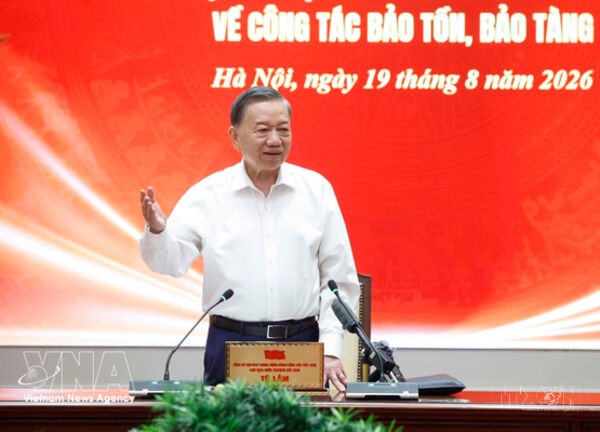
Party General Secretary and State President To Lam pushed for a shift from a focus on traditional spaces to cultivating culture in both physical and digital spaces, and from simply prioritising preservation to striking a close balance between preservation with innovation.
Throughout a century of development, the two sides have remained resilient in the face of changing global circumstances, continuously strengthening the Party building to reinforce their leadership and provide the political foundation for socialism building in each country, said Chinese Ambassador He Wei.
Party General Secretary and President To Lam received in Hanoi on July 6 the newly accredited ambassadors of Portugal, Iran, Mongolia, the US and Myanmar, as they presented their credentials, officially beginning their diplomatic missions in Vietnam.
Ho Chi Minh City has every reason to take pride in its remarkable achievements over the past half-century. From a war-ravaged urban centre facing enormous post-war difficulties, it gradually restored production, stabilised people's livelihoods, consolidated the achievements of the revolution, built an effective system of governance, and safeguarded national defence and security, thereby laying a solid foundation for long-term development.
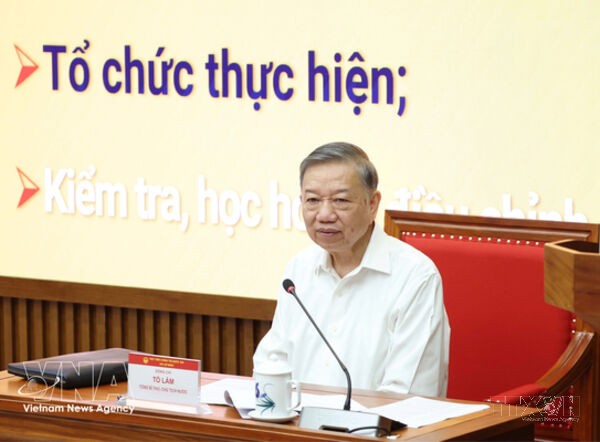
The Party and State leader described the restructuring as a broad, complex and far-reaching reform affecting almost every agency and public servant from the central to grassroots levels. While praising the significant initial achievements, he stressed that the results marked only the beginning and warned against complacency.
Party General Secretary and State President To Lam wrote that every Vietnamese family will maintain these cherished traditional values through concrete daily actions: respecting grandparents and parents; loving and caring for children; spouses being faithful, equal, and sharing; and generations listening to, respecting, and supporting each other. Preserving the family means preserving family traditions, culture, and the enduring strength of the nation.
Prime Minister Le Minh Hung has reiterated Party General Secretary and State President To Lam’s view that Vietnam must create a new breakthrough in institutional framework and legislation, turning them into a growth driver.
Addressing the opening session of the 13th Ho Chi Minh Communist Youth Union National Congress for the 2026–2031 term in Hanoi on June 25, the Party and State leader told 788 delegates representing more than 5.1 million HCYU members and nearly 22 million young people nationwide that the country is entering a new stage of development in which young people are not only inheritors of the revolutionary cause but also direct architects of the future.
The conclusion sets out a vision for Bac Ninh as a model green, smart, modern, and affluent city that preserves the Kinh Bac region’s cultural identity, pushing economic expansion in parallel with environmental protection while leaning on sci-tech and innovation as core growth engines.
Party General Secretary and State President To Lam emphasised that assignments must not be reduced to slogans and rejected situations where agencies report that initiatives have been launched, studied or disseminated without being able to identify completed deliverables, promulgated legal documents, simplified administrative procedures, resolved legal inconsistencies, and accountability at leadership level.
Vietnam’s development track record shows that the “era of the nation's rise” is a political and theoretical marker of a new development phase. It represents a commitment, a rallying cry for progress, and a shared duty of the Party, people, and army to deliver a strong, prosperous Vietnam by 2045.
With the determination of the entire political system, Resolution No. 06 will soon be translated into practical outcomes, enabling foreign affairs to fully perform its pioneering and strategic role in advancing Vietnam’s aspiration to become a developed, independent, self-reliant and self-strengthening nation in the new era, said top leader To lam.
Against the backdrop of a rapidly evolving, increasingly complex and unpredictable regional and global environment, Party General Secretary and State President To Lam stressed that ASEAN’s foremost priority is to preserve a peaceful and stable environment conducive to development, strengthen economic competitiveness and resilience, and improve the well-being of its people.