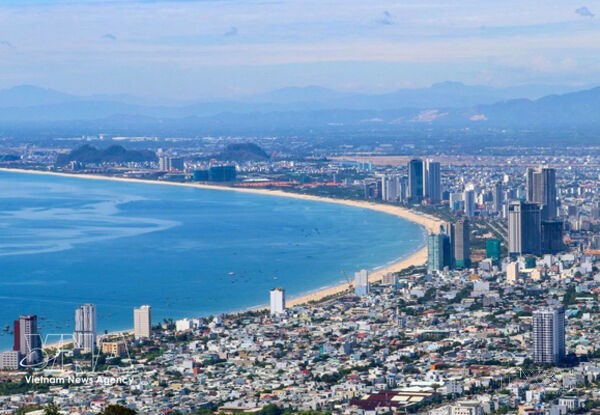
According to the master plan, the Mui Ne National Tourism Area will cover 14,760ha, encompassing Phu Thuy ward, Mui Ne ward, Hoa Thang commune and Phan Ri Cua commune.
New Delhi Television describes Ta Xua as Vietnam’s “cloud-hunting paradise”, best known for the so-called “dinosaur spine” – a trekking route that has been widely shared among travel enthusiasts for years.
Looking ahead to 2026, the tourism sector targets about 25 million international arrivals, 150 million domestic holidaymakers and total revenue of around 1.12 quadrillion VND (approximately 43 billion USD), reflecting its ambition to develop tourism into a spearhead economic sector in line with the Government's goals.
Information consistency will help improve national tourism brand recognition among travellers, laying a stepping stone for positioning Vietnam as a green, safe and friendly destination, according to an insider.
The Da Nang MICE Tourism Promotion Programme 2026, themed “Da Nang - Elevating your MICE experience”, will be implemented from January 1 through the end of the year. Under the programme, the city targets welcoming and supporting nearly 93,000 MICE visitors, representing an increase of about 12% compared to 2025.
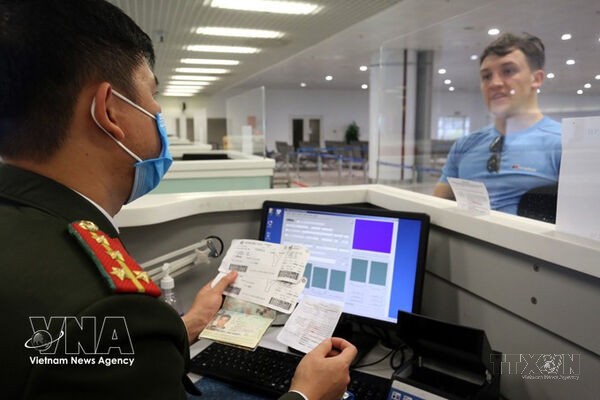
According to the Vietnam National Authority of Tourism (VNAT), more than 2 million international visitors arrived in December alone, up 15.7% year on year, pushing total arrivals for the year to a new high.
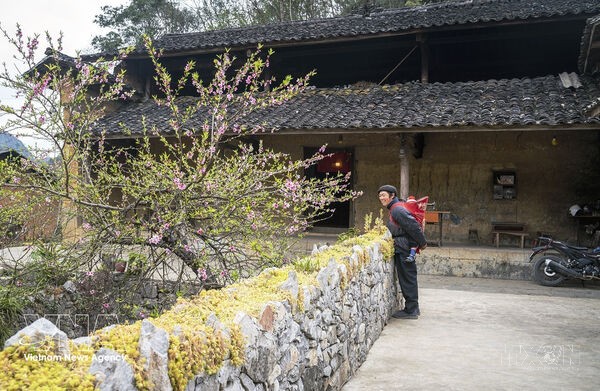
Dong Van is opening a new journey, where each scan by visitors is not only a marker on their travel map but also a stream of live data helping the highland region step into the era of smart tourism.
During the days, the capital city served 110,000 foreign arrivals and 450,000 domestic tourists, up nearly 287% and over 240%, respectively. These figures reflect a strong recovery and robust growth right at the start of the year.
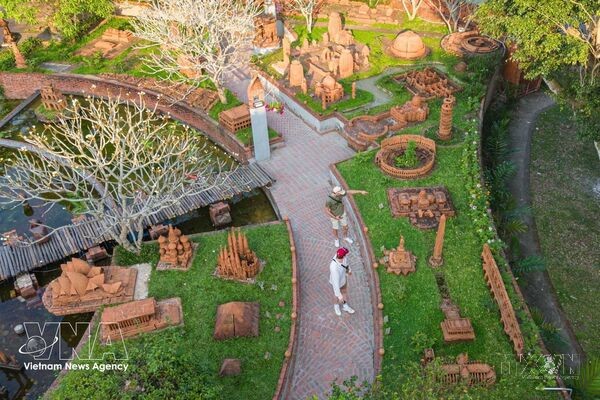
Developing tours and itineraries highlighted with the unique culture of craft villages requires coordinated efforts from local authorities, communities, craft artisans, and travel agencies, thus transforming Vietnam’s traditional craftsmanship into sustainable tourism products within the modern travel landscape.
Data from travel platforms show that Da Lat continues to be the most popular domestic destination for Tet 2026, with searches increasing by 44%. Its cool climate, festive atmosphere, and wide range of accommodation options make it a top choice during the peak season.
Across the Mekong Delta, many tourist sites have been busy upgrading their offerings. At the Con Son tourism site in Can Tho city, members of the local tourism cooperative have been pruning fruit orchards, refurbishing stages for traditional don ca tai tu performances, cleaning fish ponds used for visitor experiences, and expanding areas for making traditional cakes.
Major urban centres are already seeing massive crowds as streets have been transformed into colourful corridors of light. This year, the focus in Hanoi and Ho Chi Minh City has shifted toward immersive cultural experiences that blend tradition with modern innovation.
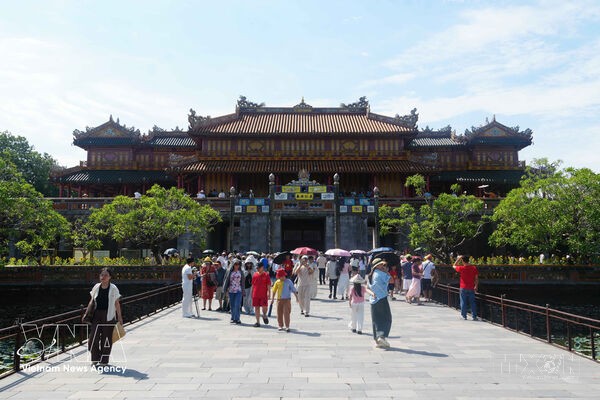
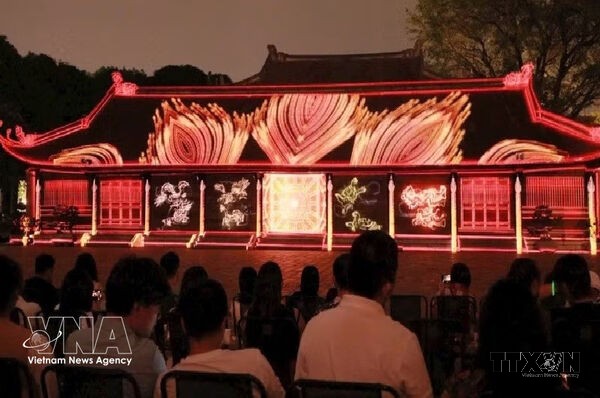
Several of Huế’s most iconic tourist attractions, including the Imperial Palace and Emperor Tự Đức’s tomb, have been featured by CNN in a promotional campaign designed to showcase the city’s cultural treasures to the world.
The sector aims to attract 25 million international visitors, serve 150 million domestic tourists, and earn some 1.12 quadrillion VND in revenue in 2026.
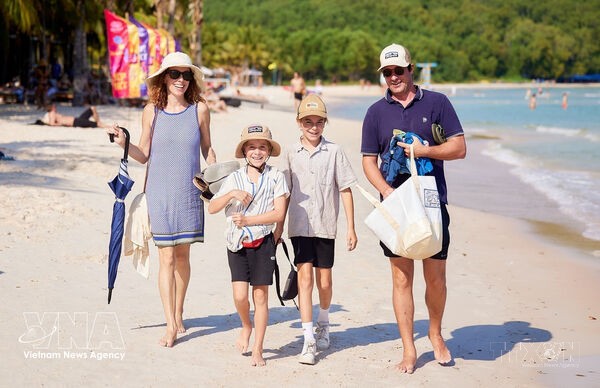
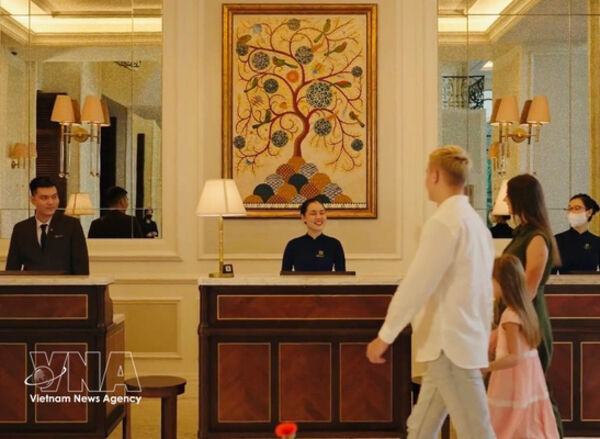
Based on searches made between September and November for stays during December 2025 and January 2026, Agoda recorded a 30% increase in family travel interest to Vietnam compared with the same period last year.
Vietnam has once again been honoured as the World’s Leading Heritage Destination in 2025 by the World Travel Awards (WTA), marking its sixth recognition after the wins in 2019, 2020, 2022, 2023, and 2024 and reaffirming its foothold in the global tourism industry.
As Ho Chi Minh City’s tourism sector continues to sustain growth momentum, it is shifting strongly from post-merger recovery to development acceleration, with a focus on restructuring destination spaces to offer diverse tourism models and attract more domestic and international visitors.
The influx of international visitors in 2025 offers a rare window of opportunity for Vietnam’s tourism sector. The pressing task now is to enhance service quality and diversify products so that visitors stay longer and generate higher economic value.
Vietnam is set to welcome its 20 millionth international tourist in a single year for the first time ever at Phu Quoc International Airport in An Giang province in mid-December, marking a historic milestone for the country’s tourism sector.
Hanoi is crisscrossed by seven major rivers with a total length exceeding 550km. Among them, the Hong (Red) River stretches 163km through localities. This geographical advantage positions the capital city favourably for developing waterway tourism. Promoting river-based tours is a new, high-potential direction to diversify tourism products and enhance visitor experiences, according to the Hanoi Department of Tourism.