The sector aims to attract 25 million international visitors, serve 150 million domestic tourists, and earn some 1.12 quadrillion VND in revenue in 2026.
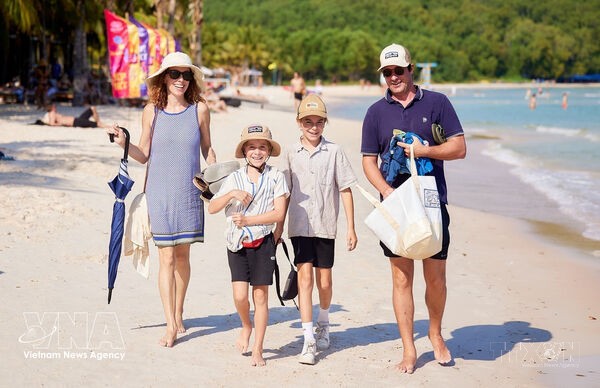
Based on searches made between September and November for stays during December 2025 and January 2026, Agoda recorded a 30% increase in family travel interest to Vietnam compared with the same period last year.
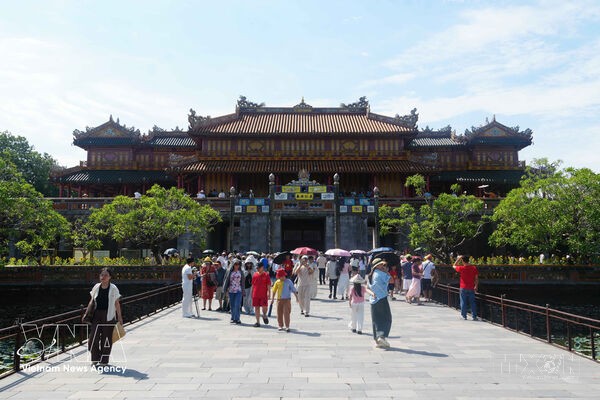
Vietnam has once again been honoured as the World’s Leading Heritage Destination in 2025 by the World Travel Awards (WTA), marking its sixth recognition after the wins in 2019, 2020, 2022, 2023, and 2024 and reaffirming its foothold in the global tourism industry.
As Ho Chi Minh City’s tourism sector continues to sustain growth momentum, it is shifting strongly from post-merger recovery to development acceleration, with a focus on restructuring destination spaces to offer diverse tourism models and attract more domestic and international visitors.
The influx of international visitors in 2025 offers a rare window of opportunity for Vietnam’s tourism sector. The pressing task now is to enhance service quality and diversify products so that visitors stay longer and generate higher economic value.
Vietnam is set to welcome its 20 millionth international tourist in a single year for the first time ever at Phu Quoc International Airport in An Giang province in mid-December, marking a historic milestone for the country’s tourism sector.
Hanoi is crisscrossed by seven major rivers with a total length exceeding 550km. Among them, the Hong (Red) River stretches 163km through localities. This geographical advantage positions the capital city favourably for developing waterway tourism. Promoting river-based tours is a new, high-potential direction to diversify tourism products and enhance visitor experiences, according to the Hanoi Department of Tourism.
Following its goal of building a friendly destination, the Ho Chi Minh City Department of Tourism is rolling out a range of local stimulus programmes, with a focus on bringing the city’s signature attractions closer to domestic and international visitors through digital platforms.
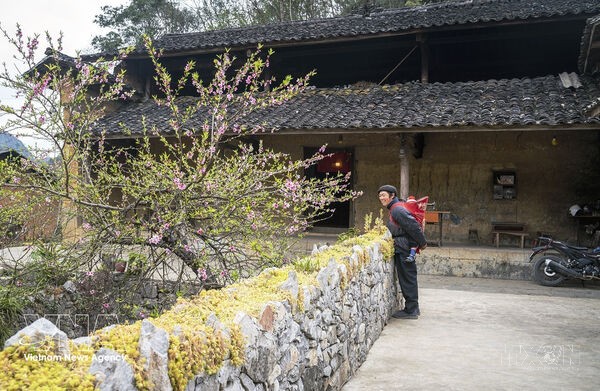
The repeated recognition over the years affirms the lasting, timeless allure of Vietnam’s renowned destinations. It also reflects the continuous efforts of localities to preserve resources, diversify tourism products and improve service quality. The growing global acclaim contributes to shaping a diverse, distinctive and highly competitive network of destinations, helping Vietnam continue to shine at prestigious international tourism awards.
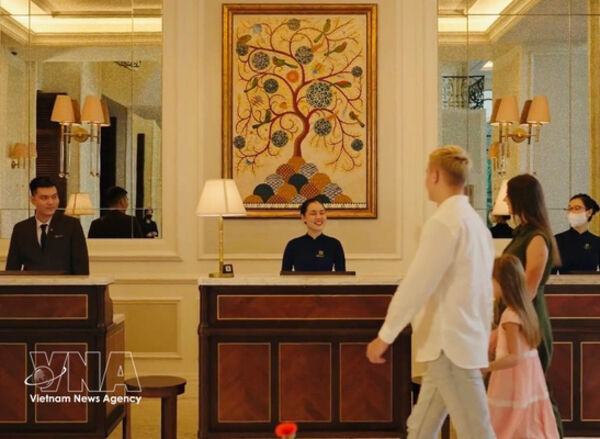
The country welcomed 17.6 million foreign visitors in 2024 and another 15.4 million in the first nine months of 2025, putting it on track to hit the 25 million target by year-end. As of the third quarter, Vietnam had more than 192,000 midscale-to-luxury hotel rooms, reflecting a compound annual growth rate of 10.9% over the past decade, one of the highest in Southeast Asia.
In December, the Hanoi tourism sector will focus on completing a project to reform the management, conservation and promotion of the Huong Son (Perfume Pagoda) Special National Relic Site; continue surveys on community-based, agricultural and night-time tourism offerings; and host the 2025 Hanoi Craft Village and Craft Street Cuisine and Tourism Festival. Preparations are also under way for participation in the National Green Tourism Forum in Lam Dong.
The Tram Chim National Park in the Mekong Delta province of Dong Thap, one of the few remaining inland wetlands of the former Dong Thap Muoi region, plays a vital role in conserving biodiversity and developing sustainable ecotourism.
Tourism revenue climbed to 108.22 trillion VND (4.1 billion USD), a year-on-year increase of nearly 20%, reflecting the sector’s sustained recovery after years of pandemic impacts and global economic uncertainties.