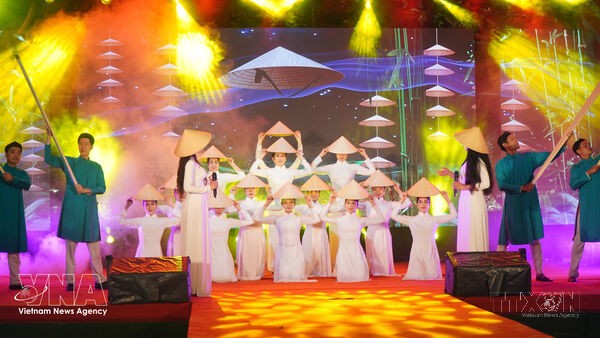
Culture is now regarded as a spiritual foundation, an internal strength, a resource and a key driver of sustainable development, not merely a field to be preserved and upheld.
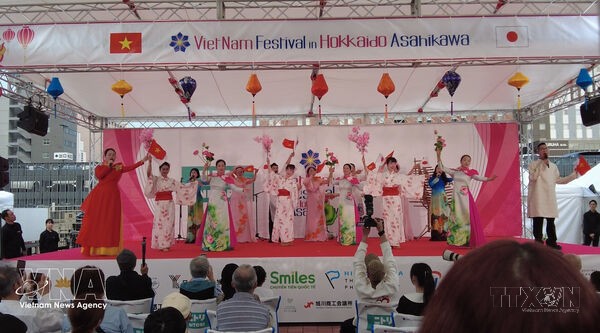
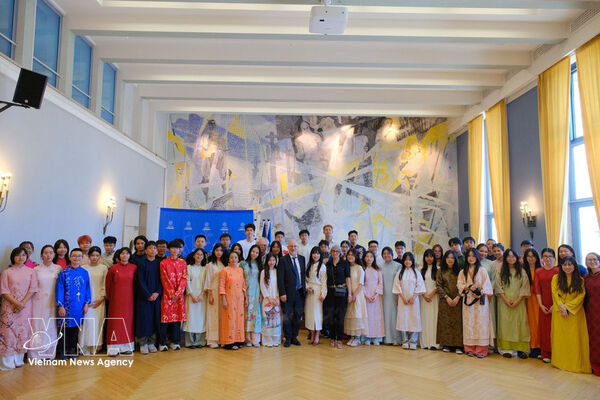
The first Vietnamese Cultural Festival in Asahikawa, Hokkaido, has attracted a large number of Japanese residents and members of the Vietnamese community, offering a vibrant showcase of Vietnamese culture and promoting people-to-people exchanges between the two countries.
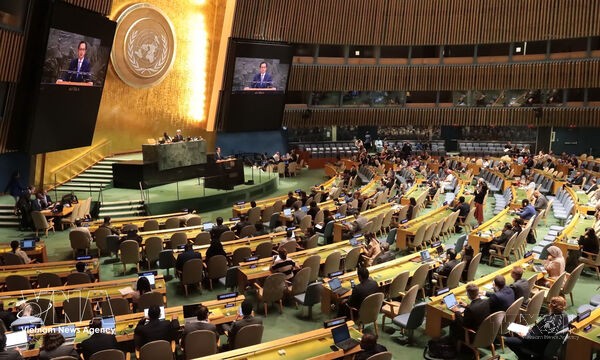
The resolution designates 2027–2036 as the International Decade of Culture for Sustainable Development, providing a long-term framework for countries and the international community to step up action and further integrate culture into development policies.
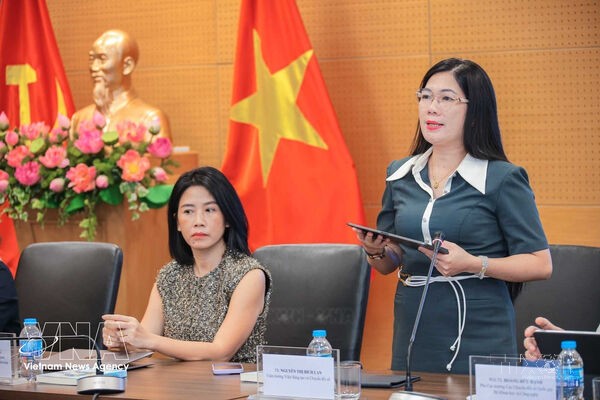
Director of the institute Dr. Nguyen Thi Bich Lan said the awards arrive as science, technology, innovation and digital transformation reshape how cultural values are preserved, created and spread.
The initial results in heritage conservation, digital transformation, cultural industry development and artistic creativity facilitation suggest that Resolution No. 80 is gradually taking effect across the country.
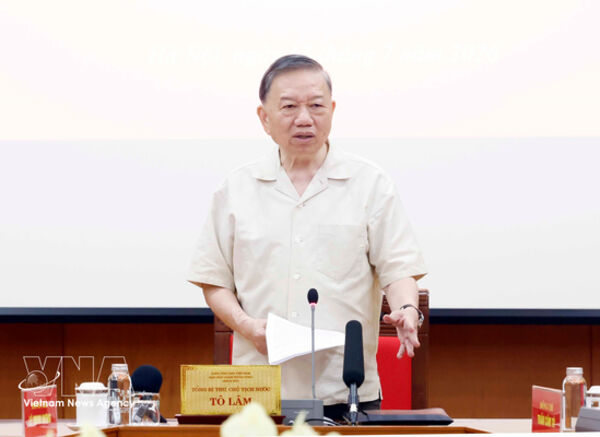
Drawing on Party General Secretary and State President To Lam's detailed and practical guidance, artists and researchers voiced confidence that Vietnamese culture will undergo a sharp transformation and truly become both a spiritual foundation and a key driver of sustainable development in the new era.
Party General Secretary and State President To Lam pushed for a shift from a focus on traditional spaces to cultivating culture in both physical and digital spaces, and from simply prioritising preservation to striking a close balance between preservation with innovation.
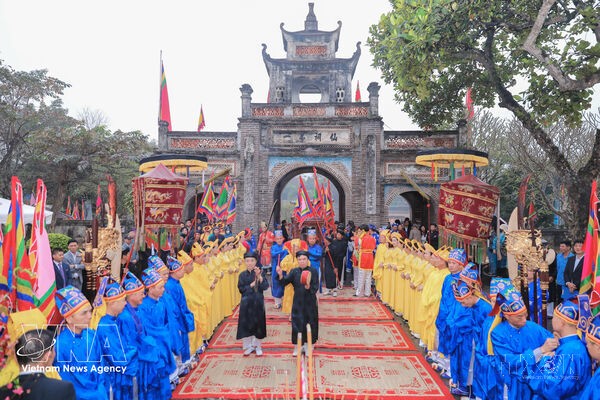
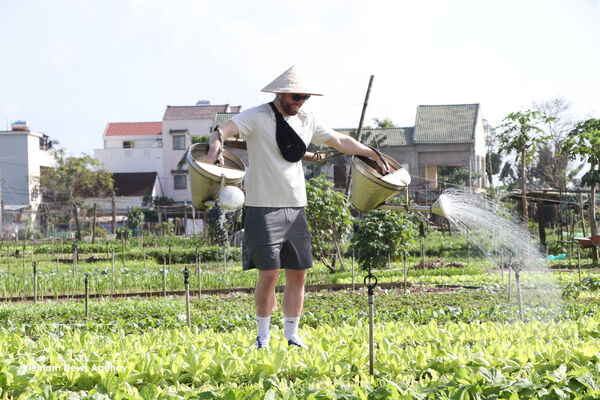
Vietnam's appeal lies not in a single attraction but in the seamless combination of authentic experiences rooted in local culture. From colourful highland markets and traditional festivals to centuries-old craft villages, all remain an integral part of everyday life.
The club currently has nearly 50 members aged from seven to over 70, with regular training sessions held on Tuesday and Wednesday evenings, alongside extended weekend classes for both children and adults. The classes are led by a father-and-daughter team, assisted by between two and six instructors depending on the session.
Lorient Mayor Fabrice Loher said the festival offers an opportunity for the public to discover the richness of Vietnamese culture while fostering dialogue, mutual understanding and stronger community ties through art and cultural activities.
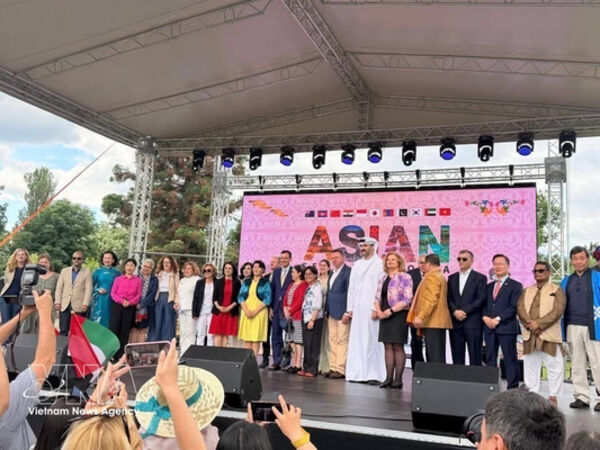
The annual event is one of Bulgaria’s largest international cultural festivals, attracting more than 20,000 visitors, including local residents, international tourists and members of Asian communities living and working in the country.