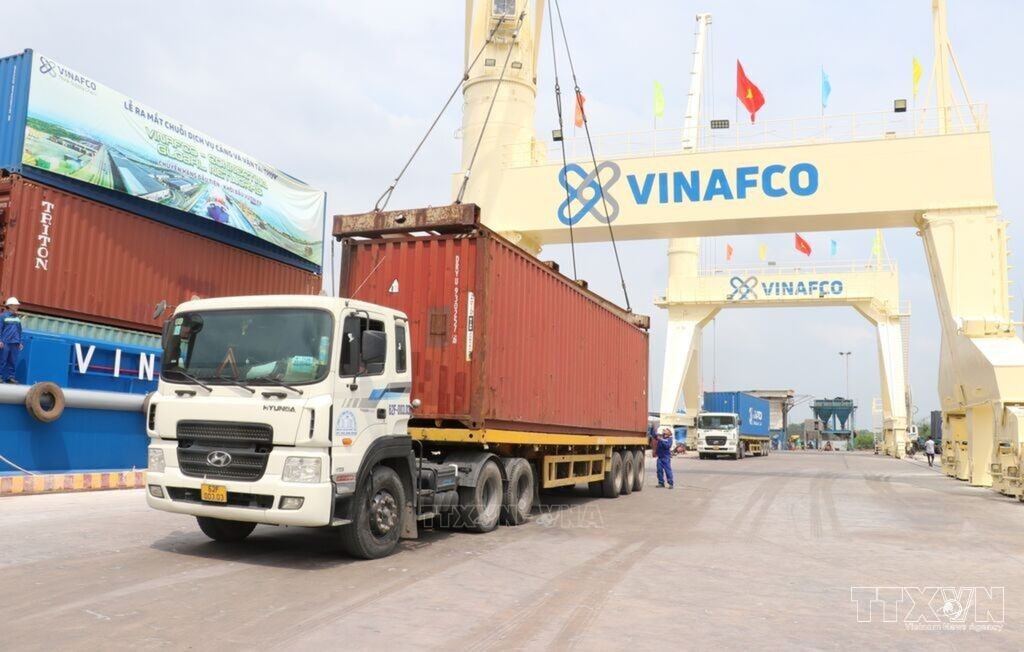
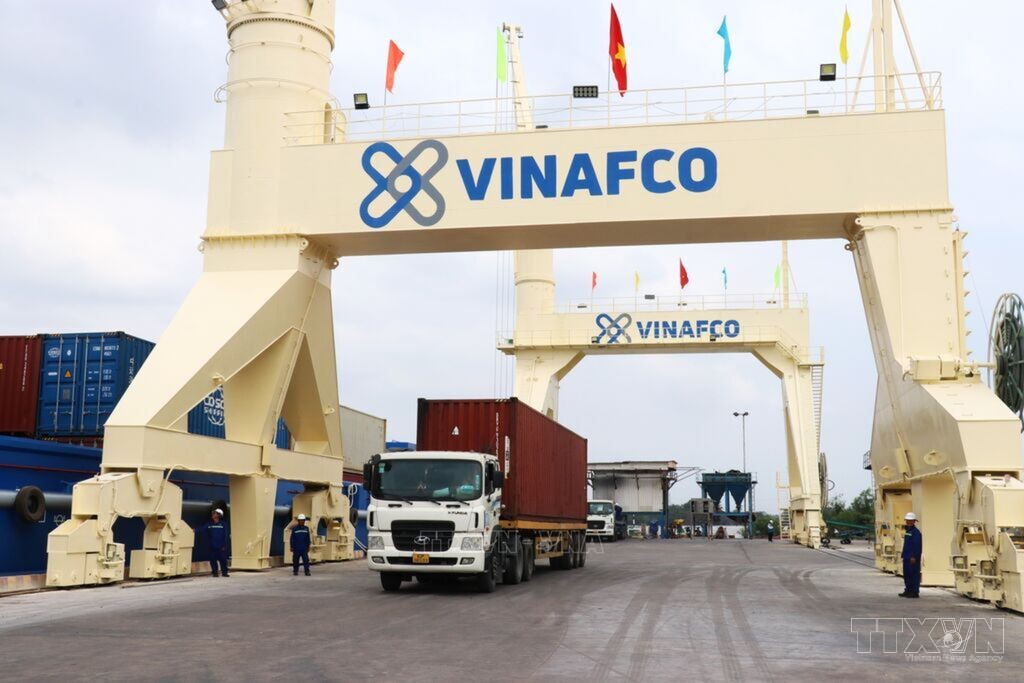
Inland ports serve as hubs for the collection and transshipment of goods, helping connect industrial parks and production areas with seaports and border gates. Photo: Bui Giang - VNA
Along with seaports, the system of inland ports and warehouses plays an important role in the collection, storage, transshipment and distribution of goods throughout the logistics chain. Photo: Bui Giang - VNA
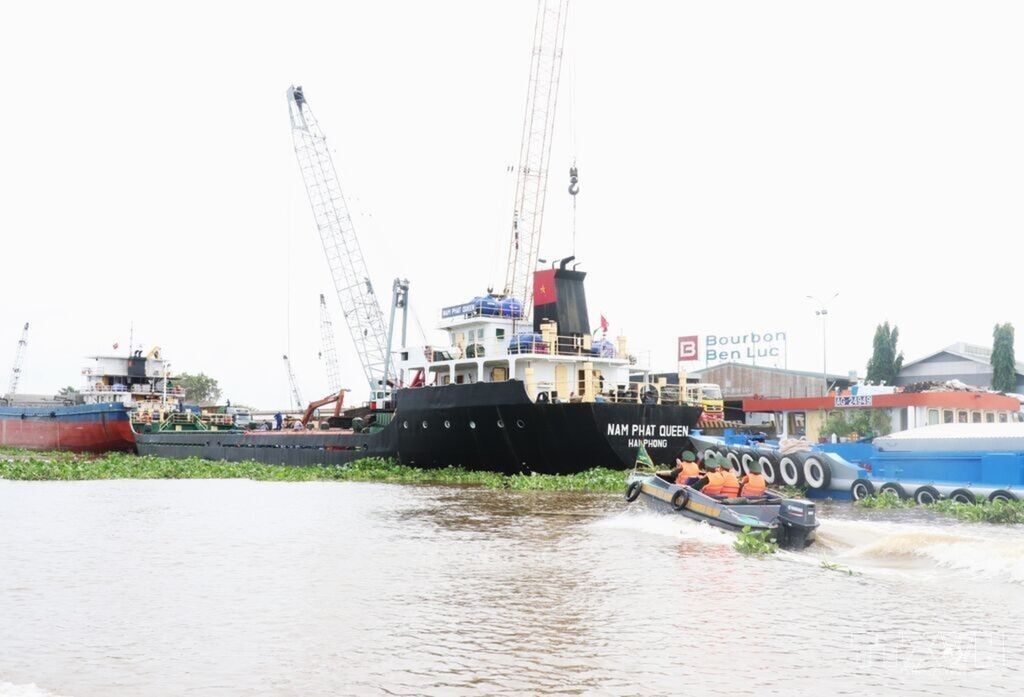
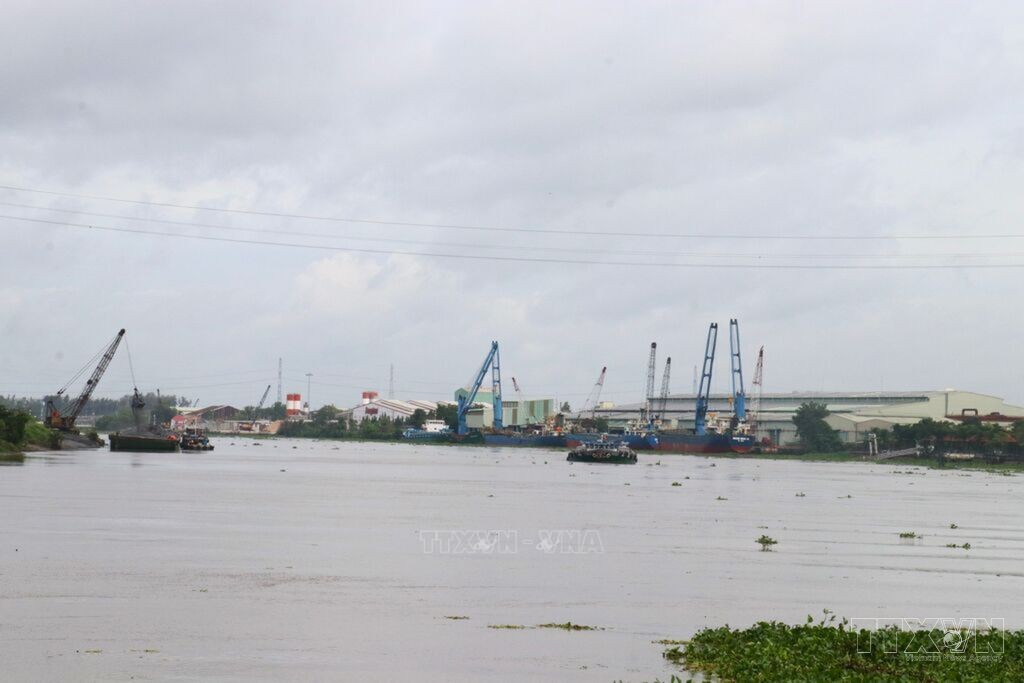
Connecting inland ports with road and waterway networks is one of the solutions helping Tay Ninh diversify transportation modes and ease pressure on road freight transport. Photo: Bui Giang - VNA
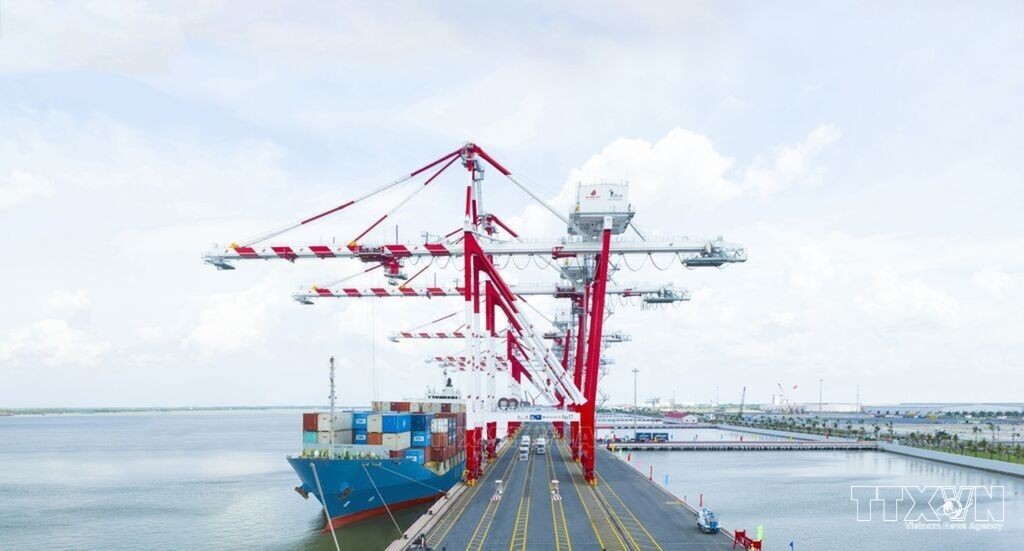
Long An International Port is one of the important gateways enabling Tay Ninh to connect its cargo sources with the seaport system and international shipping routes. Photo: VNA
From seaports to inland ports, Tay Ninh has favorable conditions to gradually establish an integrated logistics chain, increase the value of logistics services and enhance the competitiveness of goods. Photo: Bui Giang - VNA
Tay Ninh seeks to make logistics an important service sector
With its strategic advantages as a hub connecting industrial and agricultural production areas, industrial parks and international border gates, together with port and inland waterway systems and transport routes linking Ho Chi Minh City, the Mekong Delta and the southeastern region with Cambodia and ASEAN, Tay Ninh Province has a major opportunity to gradually enhance its role in the region’s logistics network. The synchronous development of infrastructure, expansion of specialized logistics services, stronger business linkages and the establishment of a goods data system are expected to help Tay Ninh reduce transportation costs, increase added value and gradually transform itself from a transit hub into a major center for organizing and coordinating large-scale flows of goods within the regional supply chain. Photo: Bui Giang - VNA