 |
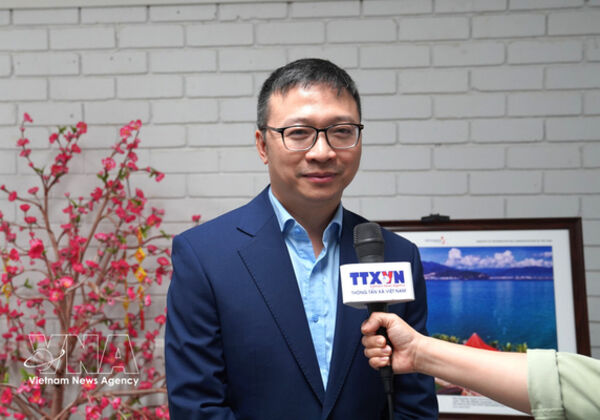
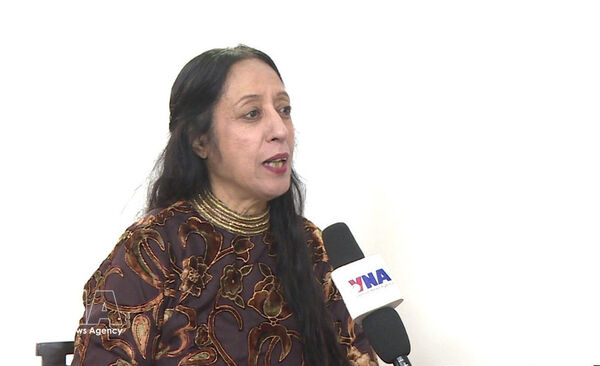
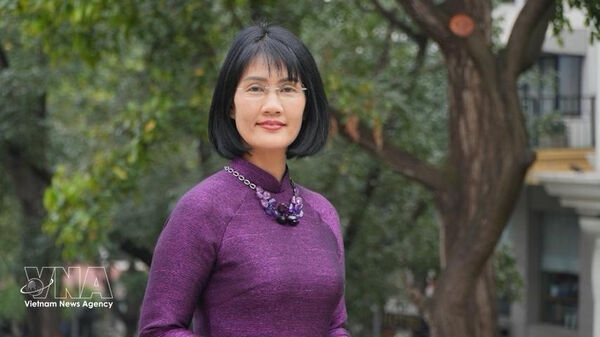
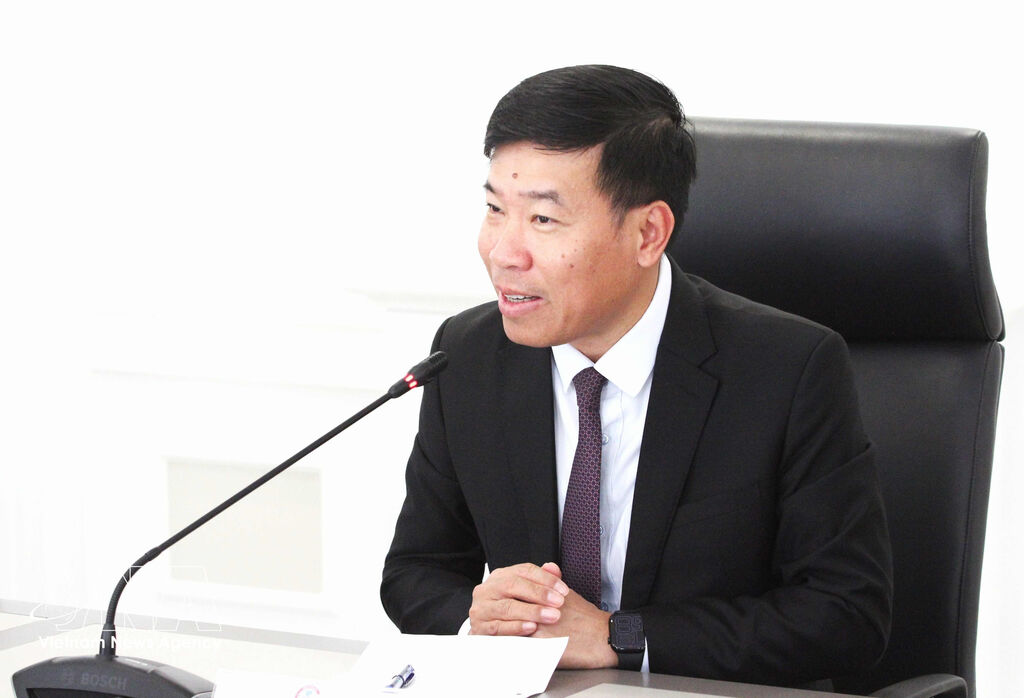
| Deputy Minister of Foreign Affairs Nguyen Manh Cuong (Photo; VNA) |
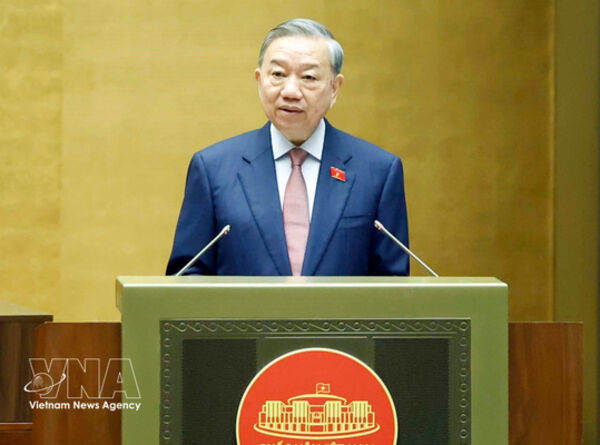
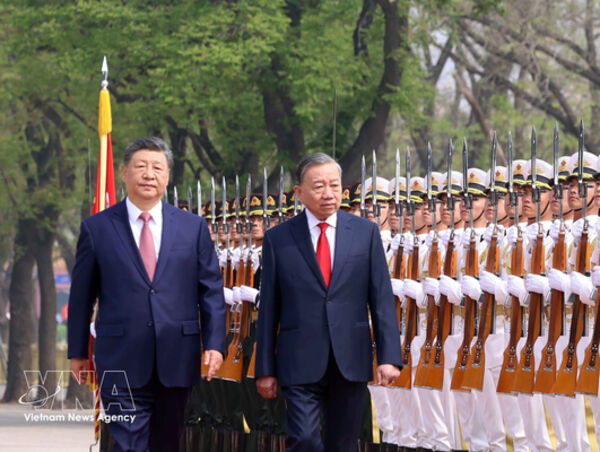
Hanoi (VNA) – General Secretary of the Communist Party of Vietnam (CPV) Central Committee and State President To Lam’s state visit to India from May 5-7 will create new momentum and shape a framework to elevate Vietnam–India ties to a new level in the next phase, said Deputy Minister of Foreign Affairs Nguyen Manh Cuong.
Speaking to the press, Cuong called the trip a major diplomatic event of special significance as it is the first visit by the top Vietnamese leader in his dual top roles and timed with the 10th anniversary of the Vietnam-India Comprehensive Strategic Partnership.
The visit demonstrates Vietnam’s high regard for its Comprehensive Strategic Partnership with India and the broader South Asian region. It also offers a meaningful opportunity for both countries to review a decade of their Comprehensive Strategic Partnership framework and consolidate their multifaceted cooperation.
The trip will highlight the shared vision and strategic interests of Vietnam and India, reinforcing each country’s position as a substantive priority in the other’s foreign policy. It will also allow both sides to share views on issues of shared concerns and enhance mutual support at global and regional forums.
According to him, the visit stands as a clear testament to the Vietnamese Party and State’s foreign policy in the new era, as set out in the 14th National Party Congress’s Resolution. This policy highlights independence, self-reliance, self-strengthening, peace, friendship, cooperation and development, diversification and multilateralisation of external ties, and being a responsible member of the global community. Through the visit, Vietnam continues to affirm that it is a friend, a trusted partner; and an active, responsible member of the global community that tackles shared global and regional challenges.
Bilateral ties have grown steadily in depth and substance in recent years. The establishment of their Comprehensive Strategic Partnership in 2016 marked a qualitative leap.
The two countries now maintain more than 20 bilateral cooperation mechanisms across various sectors and have signed numerous important agreements shaping their relationship. Political trust continues to be stronger through regular exchanges of all-level delegations, including those at high level. National defence-security collaboration has deepened considerably, with joint training and capacity building activities reflecting a high level of mutual trust.
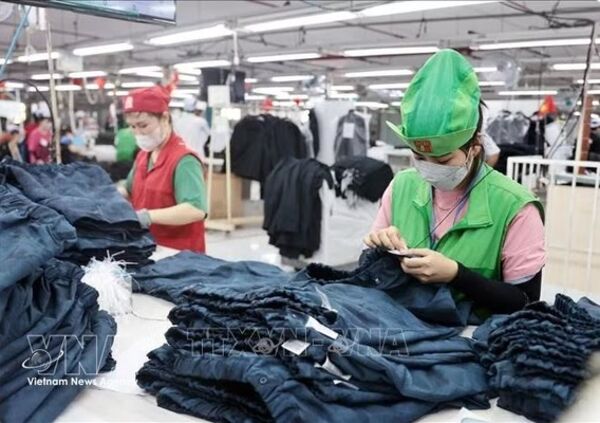
Economic and trade ties have expanded robustly, with two-way trade reaching about 15-16 billion USD annually in recent years. India ranks among Vietnam’s top 10 trade partners. Two-way investment flows continue to grow, with nearly 500 projects in place and ample room for further expansion.
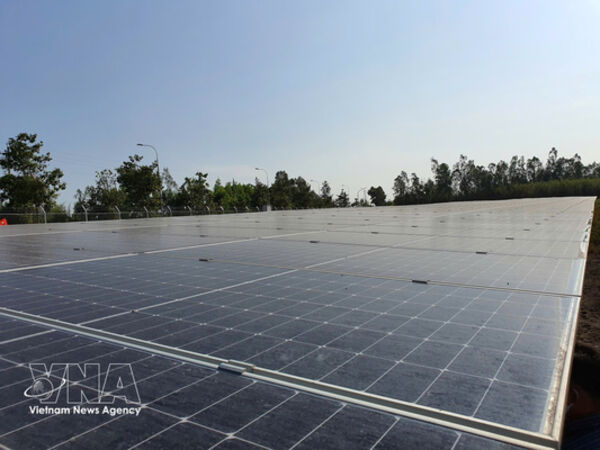
Cooperation is rapidly extending into emerging fields, including sci-tech, innovation, digital transformation, artificial intelligence, clean energy and satellite data. Cultural and people-to-people ties have also progressed.
At multilateral frameworks, both countries share a common vision of an international order based on law, robust multilateral institutional framework, and the promotion of peace, stability, and sustainable development. They continue to support each other at global and regional organisations and forums.
As scheduled, the Vietnamese leader will have a diverse agenda in New Delhi and Mumbai, India’s leading economic, financial, and technological hub. He will hold discussions with senior Indian leaders on strategic orientations to advance cooperation and generate breakthroughs in such potential areas as sci-tech, innovation, digital transformation, healthcare, clean energy, and infrastructure, while also stepping up people-to-people, cultural, and religious exchanges. A range of practical and dynamic activities are also planned, including forums on finance, sci-tech, and innovation. The visit is expected to open new avenues for trade, investment, supply chain integration, and sci-tech collaboration, he said.
In closing, Cuong said the visit demonstrates the shared resolve to raise the long-standing traditional friendship to a higher level. It is set to create a stronger framework for bilateral relations, deliver concrete benefits to citizens and businesses, and contribute to sustainable development and regional peace, stability and cooperation./.