 |
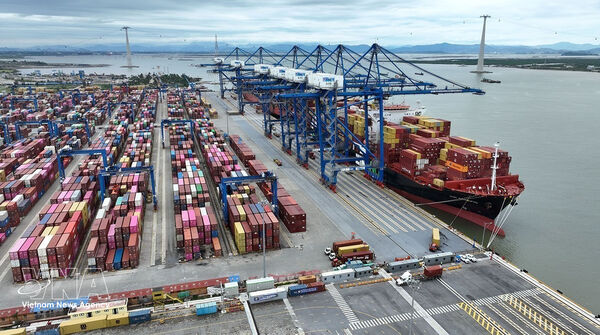
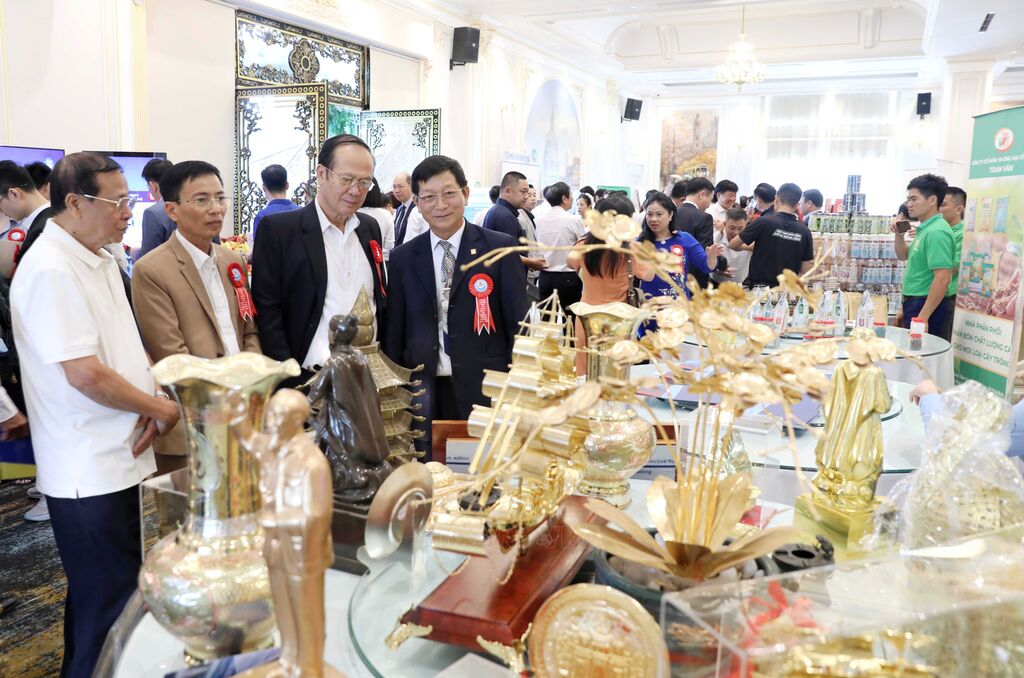
| Trade promotion emerges as a vital bridge connecting businesses, cooperatives and producers with domestic and international markets, helping strengthen the competitiveness of Vietnamese products. (Illustrative photo: VNA) |
Hanoi (VNA) - Amid rapidly shifting market conditions, fragmented consumer demand and intensifying competition, trade promotion is emerging as a vital bridge connecting businesses, cooperatives and producers with domestic and international markets, helping strengthen the competitiveness of Vietnamese products.
Hoang Minh Chien, Deputy Director of the Trade Promotion Agency (Vietrade) under the Ministry of Industry and Trade, said trade promotion activities are undergoing a significant shift from broad-based support to more in-depth assistance, with enhancing business competitiveness at the core. Rather than merely facilitating participation in trade fairs or business matching events, current programmes focus on brand building, market intelligence, access to new technologies and compliance with international standards.
According to Chien, trade fairs in key markets such as China, Germany and France, along with trade missions, specialised seminars, training programmes and Vietnam’s overseas trade offices, are helping businesses reach new customers and expand their market presence. At the same time, Vietrade is working with major platforms including Alibaba, Amazon and TikTok to help enterprises promote their products and boost exports through e-commerce, particularly benefiting small and medium-sized enterprises.
Duong Minh Duc, Director of the Gia Lai provincial Department of Industry and Trade, said trade promotion programmes have helped expand market access for many of the province’s flagship products, including coffee, pepper, macadamia nuts, honey and OCOP (One Commune One Product) items. In 2025 and the first months of 2026, Gia Lai participated in 14 major trade fairs and exhibitions, organised trade missions to Laos and Cambodia, and joined numerous export connectivity events. The province has also accelerated efforts to bring local products onto e-commerce platforms such as Shopee, Lazada, Postmart and Voso, while gradually accessing cross-border marketplaces to broaden market reach.
Tran Thi Hoang Anh, Director of the Phuong Di Bee Honey Cooperative, said trade promotion programmes have helped the cooperative overcome marketing challenges, expand its customer network and gradually build brand recognition. Participation in trade fairs has also enabled the cooperative to improve packaging, enhance product quality and better respond to market demand.
Nguyen Thi My Phuc, owner of Hoang Dong traditional cake production facility, said support for digital promotion and livestream sales has significantly increased orders, expanded the customer base across multiple provinces and cities, and opened access to new consumer segments.
In the textile and garment sector, a representative of the Vietnam National Textile and Garment Group said trade promotion activities have helped enterprises maintain orders and expand into promising markets such as the EU, the Republic of Korea, Japan, the Middle East and ASEAN, thereby diversifying export destinations and improving resilience against global trade fluctuations.
However, experts noted that the effectiveness of trade promotion remains uneven, as many businesses are still inadequately prepared in terms of product development and market alignment. To make the most of available support programmes, enterprises need to invest systematically in product quality, standardise production processes, meet international requirements and build strong brands, laying a solid foundation for Vietnamese products to grow sustainably in both domestic and global markets./.