 |
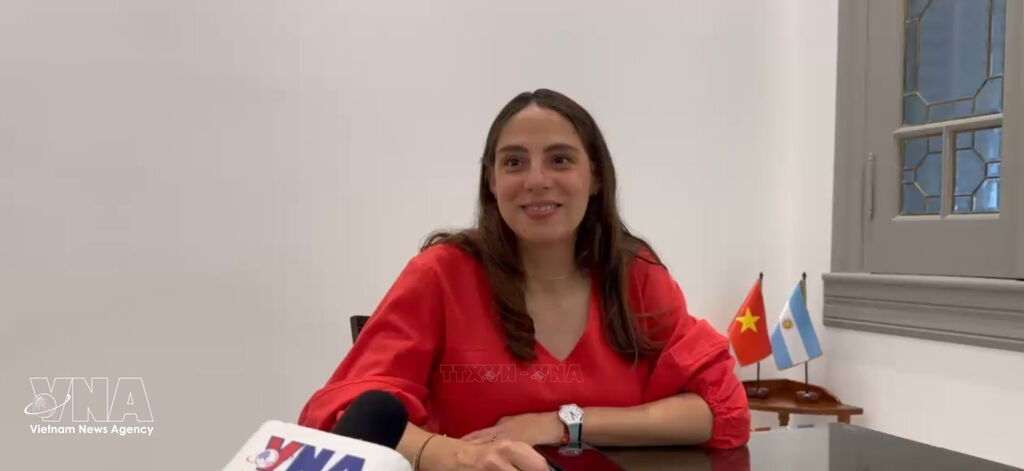
| Dr. Nadia Radulovich, an international relations expert and lecturer at the Faculty of Oriental Studies of the under the University of Salvador (Photo: VNA) |
Buros Aires (VNA) - To enhance its international standing, Vietnam needs to strengthen its soft power by promoting its cultural, historical, scenic, tourism, and culinary values, while affirming its development model as a success story of a nation that has overcome numerous hardships to become a dynamic and deeply integrated economy.
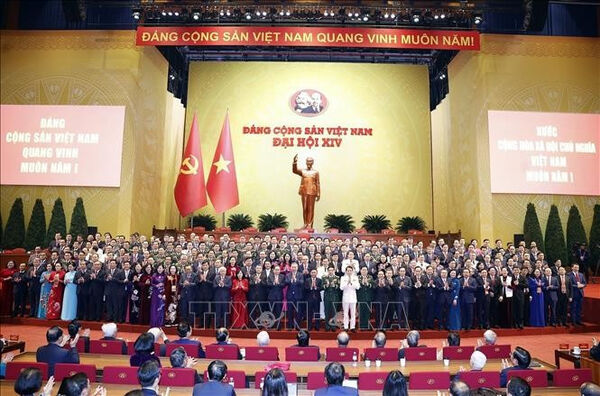
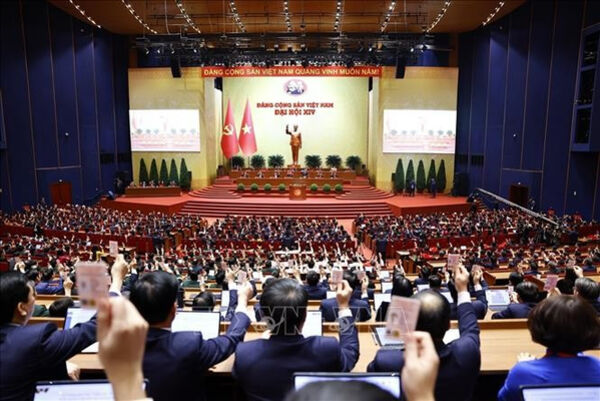
The suggestion was made by Dr. Nadia Radulovich, an international relations expert and lecturer at the Faculty of Oriental Studies of the under the University of Salvador (USAL), in an interview with Vietnam News Agency correspondents in Buenos Aires regarding the implementation of the orientations adopted at the 14th National Congress of the Communist Party of Vietnam (CPV).
According to Dr. Radulovich, in recent years the leadership role of the CPV has continued to be clearly demonstrated through strategic adjustments, particularly in the areas of national defence and security.
She emphasised that amid an increasingly complex regional and international environment, Vietnam has prioritised safeguarding national interests and sovereignty, modernising its armed forces, and maintaining an appropriate defensive posture suited to new circumstances.
In foreign affairs, the Argentine expert commended Vietnam for consistently pursuing a foreign policy of independence, self-reliance, diversification and multilateralisation, being a good friend and a reliable partner to all countries, maintaining flexible balance among major powers, and steadily upgrading relations with key partners. This, she noted, reflects Vietnam’s adaptability and strategic thinking in the process of deep international integration.
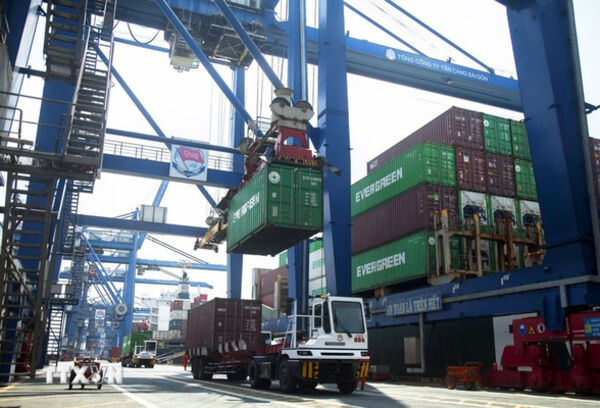
In the economic sphere, Dr. Radulovich praised Vietnam’s goal of achieving an average annual GDP growth rate of 10% or more during the 2026–2030 period. She observed that Vietnam is emerging as one of the most dynamic growth economies in Southeast Asia, playing an important role in global supply chains. Improving conditions for export-oriented manufacturing - an industry that employs around 30% of the workforce and contributes approximately 35 percent of GDP - is therefore understandable. This explains the policy of increasing investment in innovation and enhancing production capacity.
Vietnam has also attracted significant foreign direct investment (FDI) inflows not only from regional partners such as Singapore, Hong Kong (China), China, Japan, and the Republic of Korea, but also from many other countries, particularly the United States, in sectors like electronics, high technology, and green energy. Attracting FDI and strengthening support for the domestic private sector have been identified as key to achieving development goals.
According to Dr. Radulovich, setting ambitious growth targets for the coming years, promoting innovation and digital transformation, and strongly attracting FDI capital reflect the determination of Vietnam’s leadership to move the country into the group of upper-middle-income countries by 2030. She also highlighted that since the launch of the Doi Moi (Renewal) process, Vietnam has achieved remarkable progress in poverty reduction, despite ongoing challenges related to regional development disparities.
The Argentine expert underscored the importance of advancing key pillars, including scientific and technological innovation, digital transformation, and international integration.
She noted that the “New Era – the Era of National Rise,” initiated by Party General Secretary To Lam and oriented toward 2045, represents a long-term vision aimed at marking the 100th anniversary of President Ho Chi Minh’s reading of the Declaration of Independence, which gave birth to the Democratic Republic of Vietnam (now the Socialist Republic of Vietnam), affirming the country’s comprehensive development.
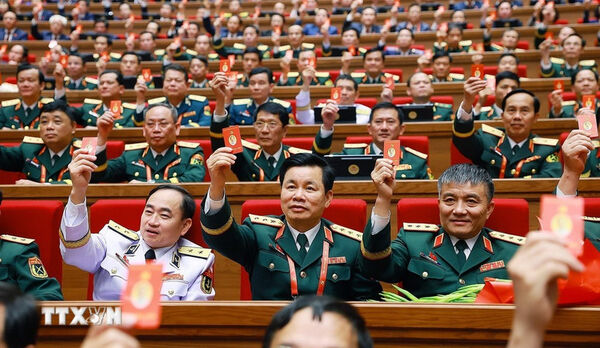
Regarding the 14th National Party Congress, Dr. Radulovich affirmed that it is a political event of special importance, not only setting the direction for socio-economic development and foreign affairs in the next five years, but also demonstrating stability and unity within the Party. According to her, the continued affirmation of the central role of General Secretary To Lam reflects leadership continuity and consistency in the goals of “solidarity, democracy, discipline, breakthrough, and development.”
With a long-term vision toward 2045, she stressed, Vietnam is building a comprehensive development strategy that combines strengthening hard power in the economy and defense with enhancing soft power through culture, history, and international integration.
The orientations adopted at the 14th National Congress, she concluded, align with national interests and lay a solid foundation for Vietnam’s next stage of development./.