Vietnam provides 100,000 USD in emergency aid to Colombia after earthquake
The aid comes in response to the significant loss of life and property caused by the earthquake that struck Colombia on August 10, 2026, and reflects the traditional friendship and solidarity, as well as the spirit of mutual support between the Vietnamese and Colombian peoples.
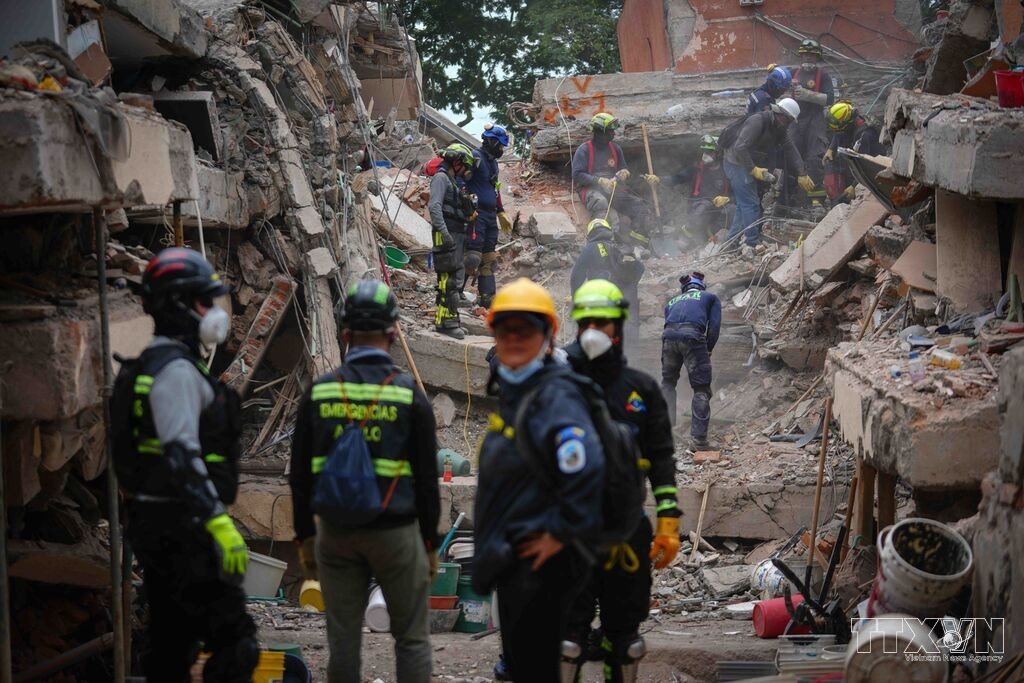
Rescue workers search for victims following an earthquake in Cali, Colombia, on August 12, 2026 (Photo: Xinhua/VNA)
Hanoi (VNA) – The Vietnamese State and people have decided to provide emergency humanitarian aid of 100,000 USD to the Colombian Government and people to help them overcome the consequences of the natural disaster and soon stabilise the lives of affected communities.
The aid comes in response to the significant loss of life and property caused by the earthquake that struck Colombia on August 10, 2026, and reflects the traditional friendship and solidarity, as well as the spirit of mutual support between the Vietnamese and Colombian peoples./.
Vietnam’s representative offices in Japan immediately contacted local authorities through the international affairs divisions of Kumamoto, Kagoshima, Oita and Miyazaki prefectures, as well as Vietnamese community associations in the affected areas, to assess the situation and stand ready to provide timely assistance for Vietnamese citizens impacted by the disaster.
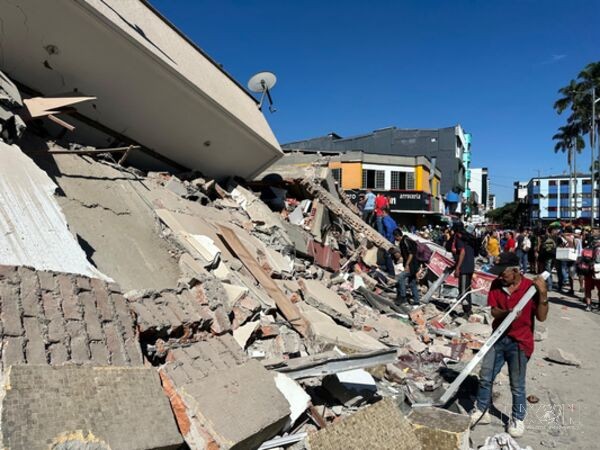
The earthquake in Choco, about 313km west of Bogota capital, caused severe damage in Bogota as well as central and western cities including Medellin, Cali, Pereira and Manizales.
By 2030, Vietnam aims for 60% of businesses using AI to improve efficiency, all civil servants using AI in their work weekly, and 60% of administrative decisions supported by data and AI. The satisfaction rate for AI-supported public services is expected to rise by at least 30%.
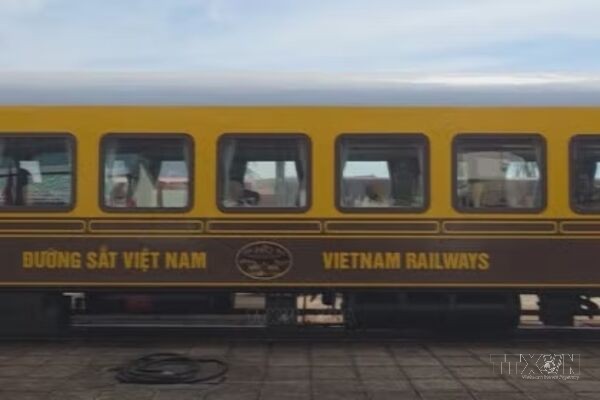
Vietnam National Railway Corporation, in collaboration with the Quang Tri provincial People’s Committee and Hue city People’s Committee, has officially launched the tourist train linking heritage sites across central Vietnam.
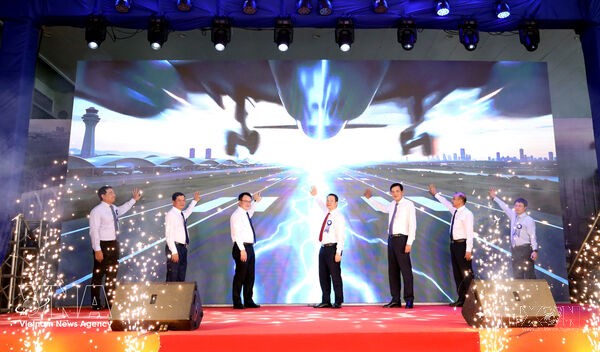
Construction of the Terminal T1 expansion project is scheduled to begin in August 2027. The expanded section is expected to be completed and put into operation in January 2029, while the renovation of the existing terminal is scheduled for completion in August 2029.
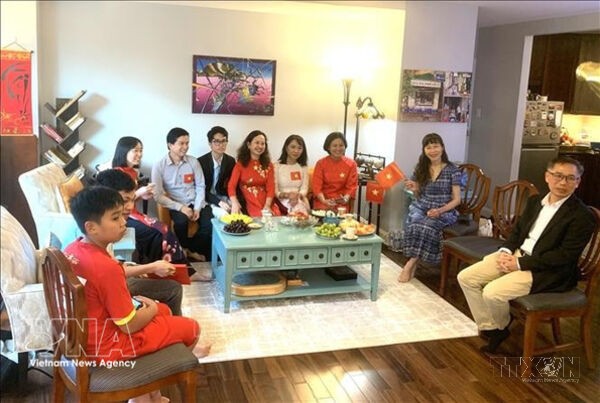
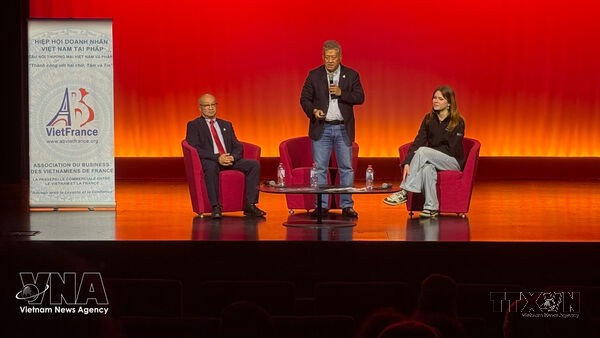
While the earlier resolution focused on encouraging OV resources, providing support and enhancing the great national solidarity, Resolution No. 23-NQ/TW places greater emphasis on accompanying OVs, creating favourable mechanisms and effectively mobilising resources from OV communities to assist with the homeland's development.
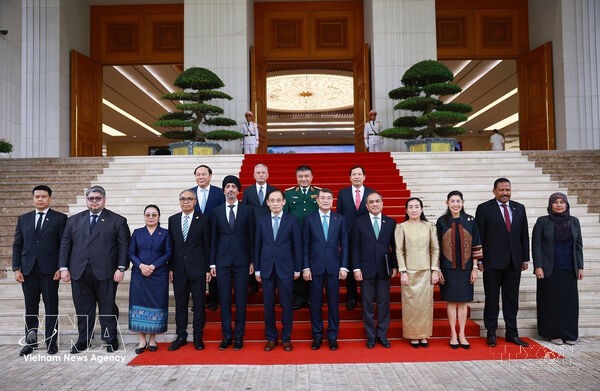
PM Le Minh Hung affirmed his commitment to working alongside other ASEAN leaders to deepen bilateral and regional cooperation in an increasingly substantive and effective manner.
Under Resolution No. 23, OV entrepreneurs can take on a bigger role by connecting businesses, promoting technology transfer, sharing management know-how, helping Vietnamese companies break into European markets, and linking French and Western European businesses and investors with Vietnam.
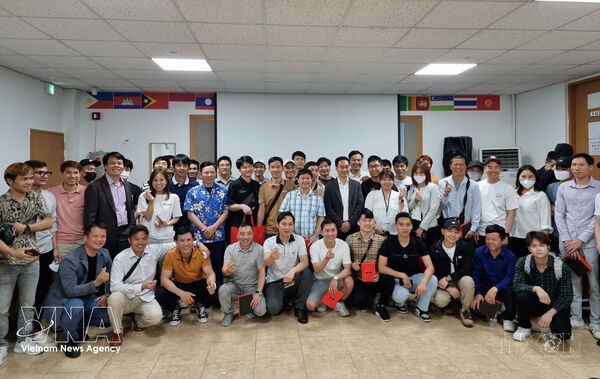
Under the revised Law on Vietnamese Guest Workers under Contract, priority is given to sending trained workers with professional and technical qualifications abroad so that they can improve their incomes, gain access to advanced technology and modern governance practices, and develop vocational skills, foreign languages, labour discipline and industrial working styles.
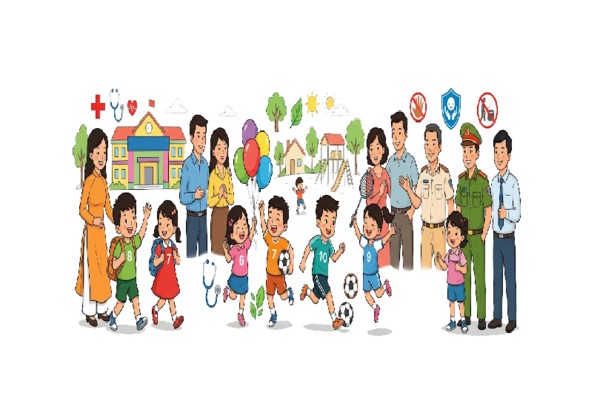
Vietnam has rolled out a national programme for 2026–2030 aimed at strengthening child protection and preventing and reducing child labour in violation of the law.
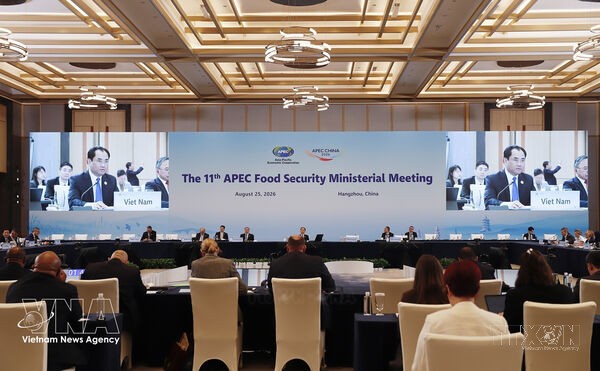
Vietnam’s proposals at the 11th APEC Food Security Ministerial Meeting, which took place in Hangzhou, China received broad support and consensus from participating economies. Several members expressed their desire to work with Vietnam to further build consensus, with a view to ensuring that the APEC Food Security Ministerial Meeting in Vietnam in 2027 will produce a shared vision and a substantive action programme.
The first Vietnam-Singapore Strategic Dialogue helped translate political trust between the two Parties into practical cooperation orientations and programmes, contributing to substantive and sustainable development of the Vietnam-Singapore Comprehensive Strategic Partnership and meeting the development needs of both countries in the new era.