 |
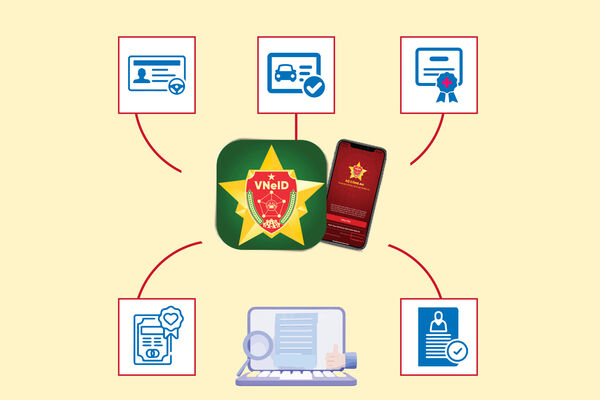
| Targeting full integration of all individual and organisational documents on VNeID by 2028 in accordance with regulations on electronic identification and authentication. (Photo: VNA) |
Hanoi (VNA) - Deputy Prime Minister Ho Quoc Dung has approved a project to develop national digital identification application VNeID for the 2026-2030 period, with a vision to 2045, positioning the platform as a “super app” at the centre of Vietnam’s national digital ecosystem.
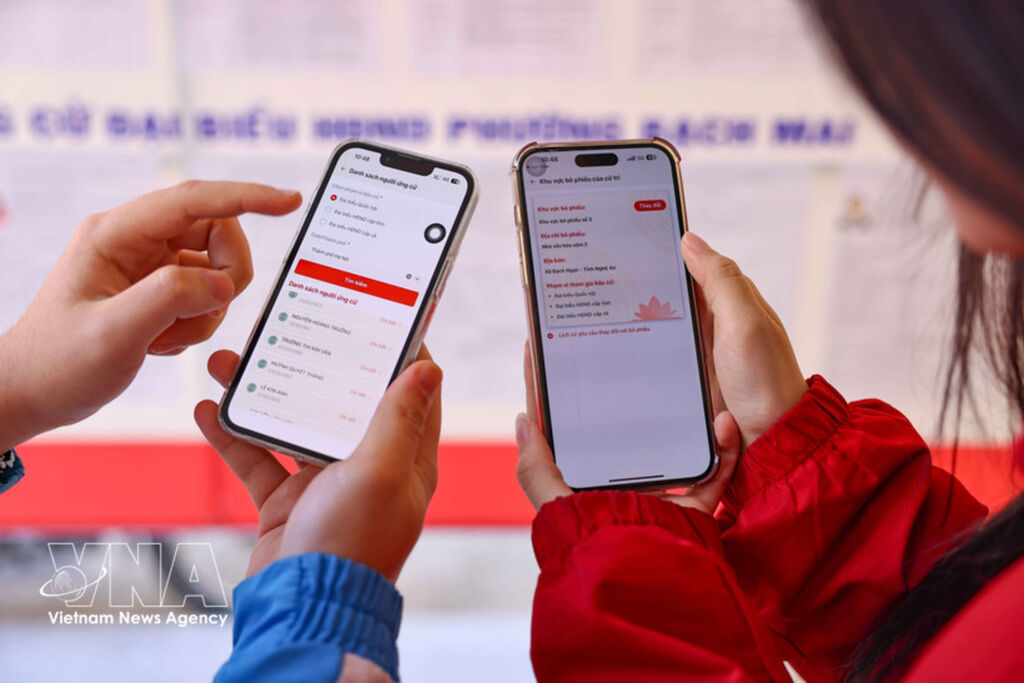
Under Decision No. 940/QD-TTg dated May 26, 2026, the project aims to transform VNeID into a modern, secure and highly scalable national digital platform capable of effectively serving citizens, businesses, agencies and organisations in handling administrative procedures, accessing online public services, conducting electronic transactions and using digital utilities.
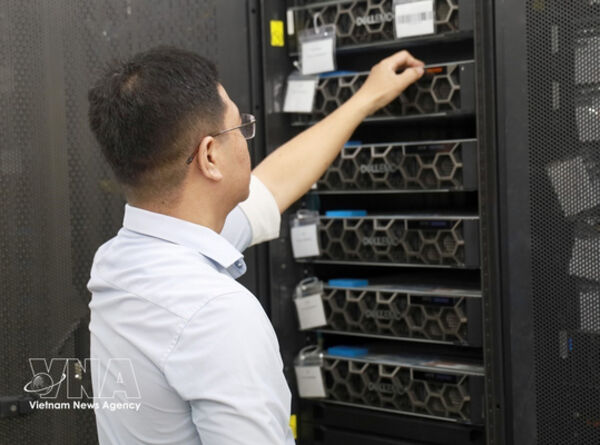
The platform is also expected to function as a trusted digital infrastructure for connecting, sharing and authenticating information among national databases, specialised databases and information systems operated by ministries, sectors, local authorities, organisations and enterprises, contributing to national digital transformation and the development of digital government, digital economy and digital society.
By 2028, Vietnam aims to complete the legal framework, policies and technical infrastructure needed to develop VNeID into a comprehensive super app serving citizens, businesses and public agencies.
Under the roadmap, 100% of beneficiaries receiving social welfare payments, pensions and social assistance are expected to have payment accounts and e-wallets integrated into VNeID. Electronic identification accounts will also be issued to all eligible individuals and organisations with demand for the service.
By the end of 2028, around 50% of essential digital utilities are expected to be integrated into VNeID, while all individual and organisational documents, along with mobile subscriptions, will be authenticated on the platform. Artificial intelligence will also be gradually integrated to enhance user experiences.
In addition, 80% of eligible citizens are expected to receive digital signature certificates for use in online public services, alongside expanded trusted services supporting civil and digital commercial transactions.
By 2030, Vietnam plans to complete the VNeID digital ecosystem with a full range of utilities serving citizens, businesses, household enterprises and public services provided by ministries, sectors and local authorities.
According to the plan, all citizens will have level-2 VNeID accounts integrated with payment accounts and e-wallets when needed, while all eligible citizens will be issued digital signature certificates for online public services and civil transactions.
Around 70% of utilities and services on VNeID are expected to incorporate artificial intelligence by 2030 to personalise and improve user experiences. The Government also targets 70% of users adopting cashless payment and essential bill payment services via the platform.
In addition, 70% of users are expected to regularly access and use services and utilities within the VNeID ecosystem.
Looking ahead to 2045, Vietnam aims to further expand the VNeID digital ecosystem while continuing to upgrade technical and technological infrastructure to ensure stable, secure and seamless operations.
Under the long-term vision, 100% of services and utilities on VNeID will integrate artificial intelligence to optimise and personalise user experiences across various digital skills and applications.
The plan also targets universal access to cashless payment and essential bill payment services on VNeID, while 90% of users are expected to regularly access and use services within the platform’s ecosystem./.