WHO acknowledges Vietnam’s proactive Ebola preparedness efforts
The World Health Organisation (WHO) has acknowledged the proactive efforts of Vietnam’s Ministry of Health and the Government’s urgent direction in preparing the system and strengthening response capacity to the Ebola virus outbreak.
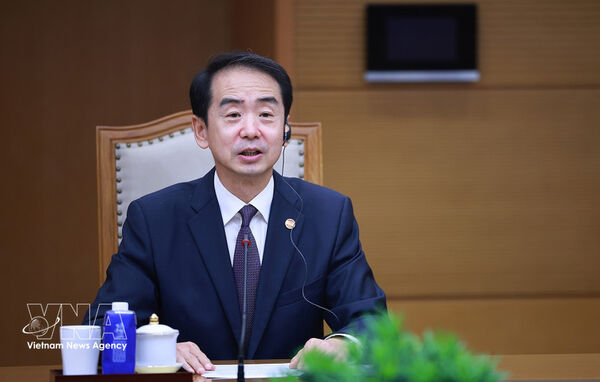
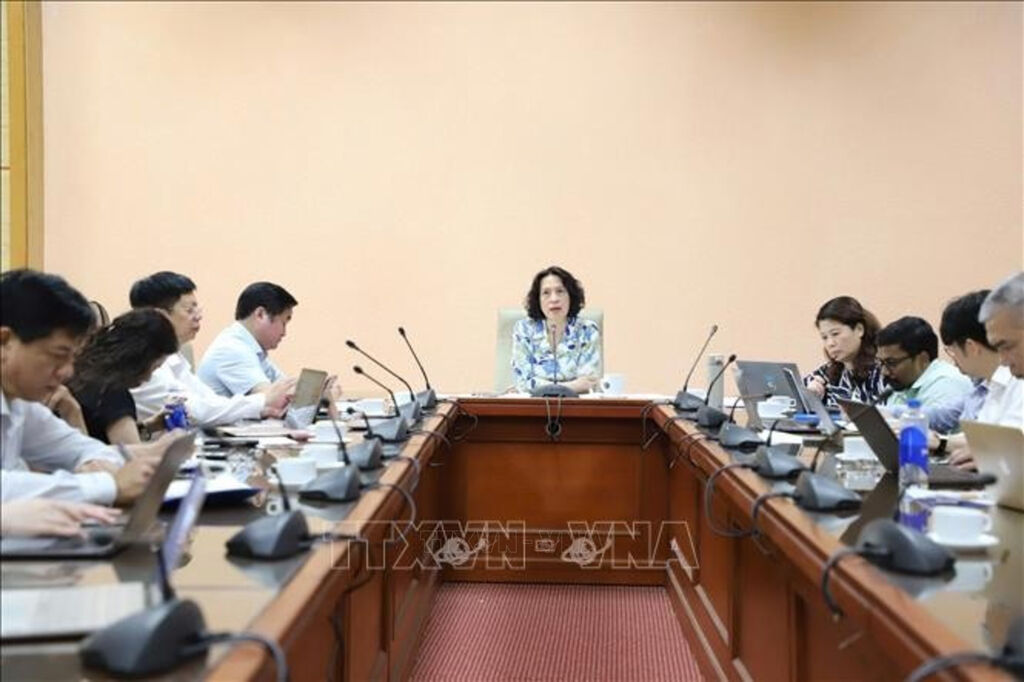
The Ministry of Health holds an online meeting on May 22, 2026 to discuss surveillance and prevention measures against Ebola virus disease amid the evolving outbreak situation in the Democratic Republic of the Congo and Uganda. (Photo: VNA)

Hanoi (VNA) – The World Health Organisation (WHO) has assessed the risk of Ebola transmission as low globally, including in Vietnam, and acknowledged the proactive efforts of Vietnam’s Ministry of Health and the Government’s urgent direction in preparing the system and strengthening response capacity to the outbreak.

According to the Ministry of Health, the WHO Director-General declared a public health emergency of international concern on May 17 over the outbreak of a disease caused by the Bundibugyo virus strain in the Democratic Republic of the Congo and Uganda. Bundibugyo is a rare strain of the Ebola virus for which no licensed vaccine or treatment is currently available.

WHO Representative in Vietnam Angela Pratt said that as of May 21, 85 confirmed cases had been reported in the two countries, including two in Uganda, with 10 confirmed deaths. In the Democratic Republic of the Congo, 746 suspected cases and 176 suspected deaths had been recorded.

WHO has assessed the outbreak risk as very high at the national level in the two affected countries, high across Africa, and low globally, including in Vietnam. The organisation stressed that the outbreak does not constitute a pandemic emergency, she noted.

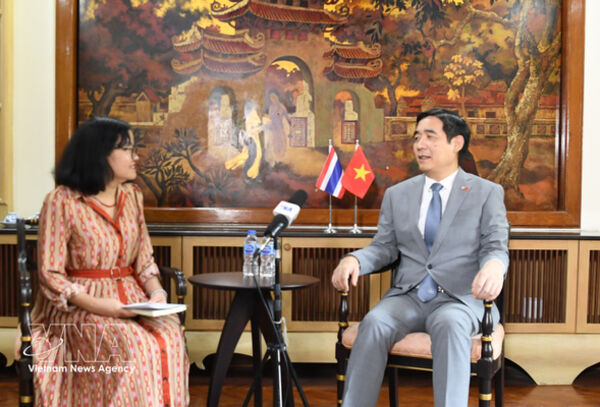
According to her, in recent days, Vietnam’s Ministry of Health has intensified risk communication efforts to provide official information to the public about the disease situation and prevention and control measures. The National Centrefor Health Communication and Education under the Ministry of Health conducted an interview with the WHO Representative in Vietnam regarding the disease situation and preparedness efforts.

The WHO Office in Vietnam is supporting the Ministry of Health by providing updated outbreak information and technical guidance on surveillance, contact tracing, laboratory testing, clinical management, infection prevention and control, risk communication, travel and border control, and emergency response.

The organisation is also assisting Vietnam in conducting a rapid risk assessment and organising additional training courses on disease surveillance, infection prevention and clinical management, Angela Pratt said, adding WHO is committed to working closely with Vietnam in these efforts./.

Related News

Vietnam aims for 100% of citizens to have electronic health records by 2030

Resolution 262, adopted by the National Assembly on December 11, 2025, approves the investment policy for the National Target Programme on Health Care, Population and Development for the 2026–2035 period. One of the programme’s overarching goals is to ensure that, during 2026–2035, all citizens in Vietnam are provided with primary healthcare, with disease prevention carried out early, remotely and at the grassroots level, thereby reducing the burden of illness.

All People’s Health Day promotes early disease prevention

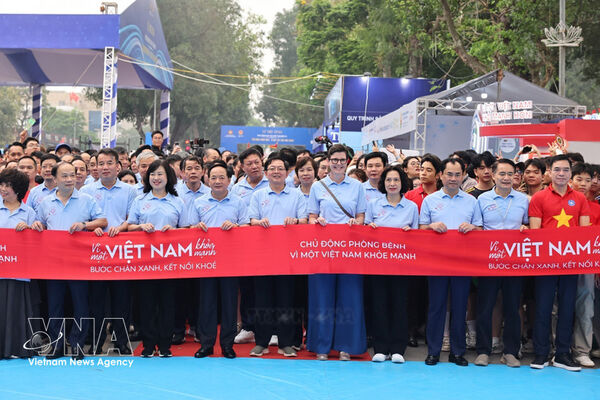
The launch marked the first year the activity has been implemented in a coordinated manner nationwide. Members of the public were able to visit free screening areas, receive nutritional advice, participate in mass exercise performances, enjoy artistic programmes, and join a walk in response following the ceremony.

See Also

Vietnam–Thailand partnership set for stronger momentum: Ambassador

Vietnamese Ambassador to Thailand Pham Viet Hung said the upcoming official visit to Thailand by General Secretary of the Communist Party of Vietnam Central Committee and State President To Lam will provide an opportunity for leaders of both countries to review achievements over the past five decades while opening up new directions for cooperation, helping elevate bilateral ties to a deeper and more effective level in line with the interests of both peoples and the goals of regional peace, cooperation and development.

Fitch Ratings gives positive assessment of Vietnam’s economic fundamentals

Deputy Minister Tran Quoc Phuong stressed that Fitch’s credit assessments have enhanced Vietnam’s image and credibility in international financial markets, and provided additional motivation for the country to continue improving institutions, strengthening policy management efficiency and increasing economic transparency.

President Ho Chi Minh’s thought on national unity remains relevant today

President Ho Chi Minh's ideology of national unity continues to carry profound significance amid growing global challenges, including conflicts, social divisions and economic instability. His message of solidarity, consensus and placing national interests above sectional differences remains a valuable lesson for many developing nations.

Top Vietnamese leader’s vision puts scientists at core of growth drive

As the country enters a new era, the Party and State have designated sci-tech and and innovation as central priorities, Kiem said, adding that VNU-Hanoi, alongside other higher education establishments, must not only produce high-caliber talents but also function as a hub for knowledge transfer and groundbreaking innovation.

OP-ED: Beyond rhetoric, urban reconstruction moves ahead

Transport infrastructure development is a key task in the capital’s major development strategies, closely linked with the Hanoi Capital Master Plan with a 100-year vision and the implementation of the revised Capital Law. A series of major projects, including ring roads, urban railways, national railways and regional economic connectivity projects such as the Red River Landscape Boulevard Axis, are being implemented to enhance connectivity, promote the growth of Hanoi and the country, and lay the foundation for urban reconstruction in a modern, synchronised and sustainable direction.

OP-ED: Controlling power, preventing corruption at roots

As the country enters a new development phase, the anti-corruption focus is shifting from strict punishment alone to prevention at the roots, while also protecting officials who dare to think innovatively and act decisively for the common good.